Cervical Disc Herniation After a CarAccident
 Tyler Hamel DC, FPSC, (C)1 min read
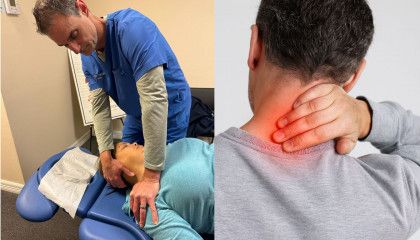
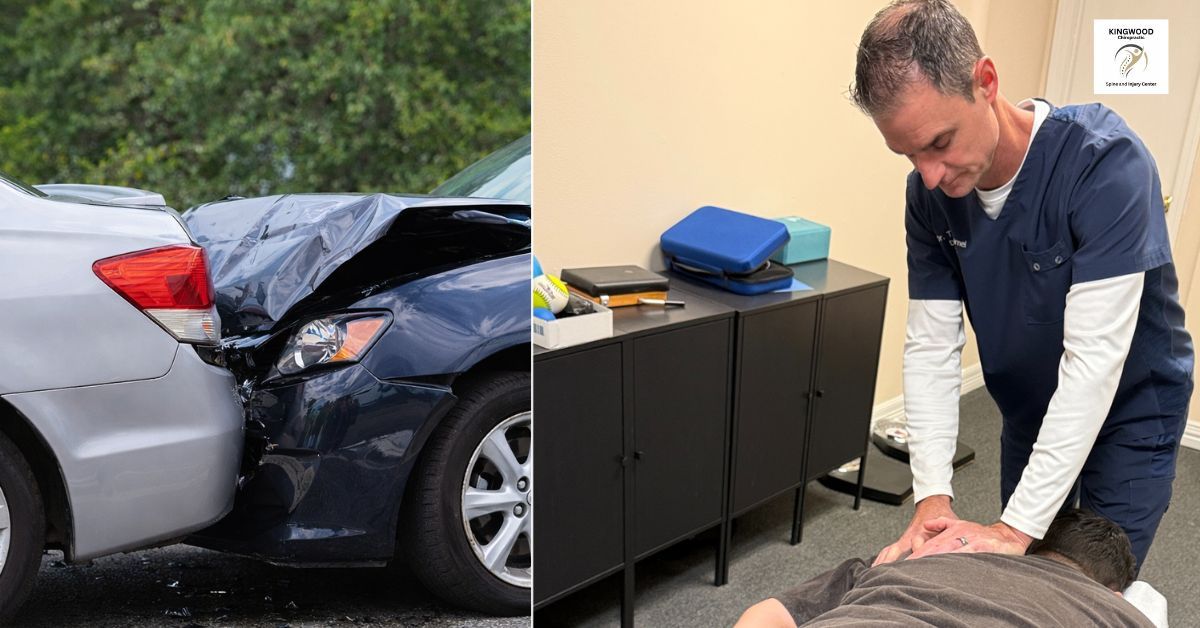
When you are involved in a car accident—especially a sudden rear-end or side-impact collision—the extreme acceleration and deceleration forces the head and neck into rapid, violent hyperextension and hyperflexion. While strained muscles and sprained ligaments are common, the force of the crash can also cause severe trauma to the spine's shock absorbers: the intervertebral discs.
Cervical disc herniation is a serious condition that occurs when the gelatinous inner core of a spinal disc pushes through a tear in the outer wall, pressing directly against the spinal cord or exiting nerve roots. If you are experiencing persistent neck discomfort after a crash, understanding how these injuries happen and knowing the warning signs is critical to getting the right care.
Symptoms of a Cervical Disc Herniation
Unlike simple muscle stiffness that stays localized to the neck, a herniated disc often produces radiating symptoms. Key signs to watch for include:
- Sharp, stabbing, or electric-like pain originating in the neck
- Radiating pain traveling down into the shoulder, arm, and hand
- Numbness or a "pins and needles" tingling sensation in the fingers
- Muscular weakness in the upper extremity, making it difficult to grip objects or lift things
How Cervical Disc Injuries Are Diagnosed
Standard X-rays are excellent for viewing bone alignment and ruling out fractures, but they do not show soft tissue or spinal discs. When disc herniation or nerve root impingement (radiculopathy) is suspected, advanced imaging—specifically an MRI—is required to visualize the exact extent of the disc bulge and how it interacts with the spinal canal.
Conservative Treatment Options
Many disc herniations can be successfully managed without surgery. At Kingwood Chiropractic Spine and Injury Center, Dr. Tyler Hamel, DC utilizes specialized conservative care plans, gentle spinal decompression, and targeted chiropractic adjustments to reduce pressure on the affected nerve, alleviate inflammation, and promote natural healing.
Red-Flag Symptoms Requiring Urgent Medical Care
While most disc injuries respond well to conservative chiropractic care, certain severe symptoms require immediate medical intervention or emergency evaluation. Seek urgent medical attention if you experience:
- Rapidly progressive muscle weakness in your arms or legs
- Loss of bowel or bladder control
- Severe, unmanageable neurological deficits or coordination loss
If you are suffering from persistent neck and arm pain following a collision, visit our Disc Herniation and Radiculopathy pages to learn more about how we can help you recover.