What Chiropractors Check After a CarAccident
 Tyler Hamel DC, FPSC, (C)1 min read
Being involved in a motor vehicle collision—even a seemingly minor fender-bender—sets off a powerful rush of adrenaline and endorphins. While this natural survival response helps you stay focused immediately following the crash, it also acts as a biological mask, hiding acute muscle tears, ligament sprains, and spinal misalignments.
By the time the shock wears off hours or days later, stiffness, headaches, and sharp pain set in. Seeking a comprehensive evaluation right away is essential not only for your physical recovery but also for properly documenting your injuries for insurance or personal injury (PI) claims.
Inside the Post-Accident Chiropractic Exam
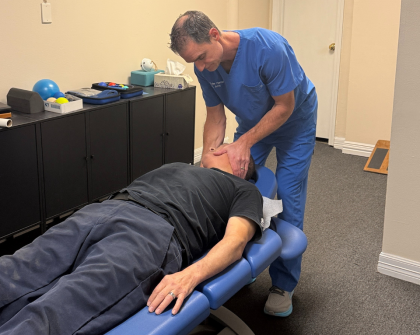
When you visit Kingwood Chiropractic Spine and Injury Center, Dr. Tyler Hamel, DC performs a thorough, systematic evaluation designed to uncover hidden trauma and pinpoint the exact source of your pain. The examination covers several vital areas:
1. Detailed Health History and Crash Dynamics
The assessment begins by discussing how the accident occurred—the speed of impact, angle of collision, whether your head was turned, and whether you were wearing a seatbelt. Understanding the physics of the crash helps anticipate specific vectors of force on your cervical, thoracic, and lumbar spine.
2. Neurological Checks
Sudden deceleration or hyperextension can compress or irritate nerve roots exiting the spinal column. Dr. Hamel performs targeted neurological assessments, testing your reflexes, sensory responses, and muscle strength to check for pinched nerves, numbness, or weakness that indicate nerve root compromise.
3. Range of Motion (ROM) Testing
Measuring how far you can comfortably bend, twist, and turn your neck and back reveals functional limitations and muscle guarding. Restricted range of motion is one of the hallmark indicators of acute whiplash and soft-tissue trauma.
4. Orthopedic and Palpation Assessments
Your provider manually evaluates the muscles surrounding the spine to detect localized tenderness, inflammation, muscle spasms, and joint restriction. Orthopedic tests gently stress specific joints and ligaments to determine whether structural instability or disc injury is present.
When Imaging or Specialist Referrals Are Necessary
While clinical exams and chiropractic adjustments resolve the vast majority of soft-tissue and alignment issues resulting from auto accidents, severe cases require advanced diagnostics. If neurological deficits persist or structural damage is suspected, Dr. Hamel coordinates necessary referrals for advanced imaging (such as X-rays or MRIs) or specialized medical care to ensure you receive a comprehensive diagnosis.
For more information on specialized care pathways, visit our dedicated Whiplash recovery page.