Shockwave Therapy for Neuropathy: A Breakthrough in Pain Relief
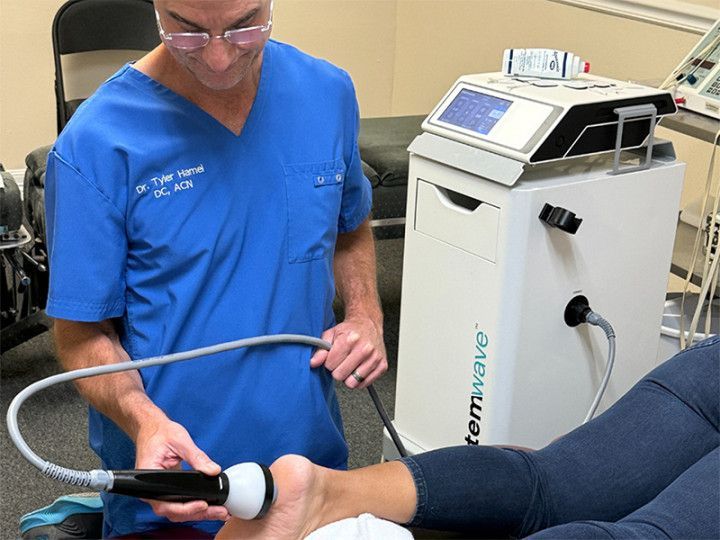
Shockwave therapy for neuropathy is a game-changer. It offers pain relief and nerve function improvement without surgery or drugs. Millions worldwide suffer from neuropathy, which causes severe pain and numbness in arms, hands, legs, feet, and face 1 2.
Imagine waking up each morning without the constant tingling, burning, or numbness in your feet and hands that has been limiting your daily activities. Neuropathy pain can feel like an endless struggle, making simple tasks unbearable and robbing you of the freedom to move comfortably. If you've tried medications, physical therapy, or even alternative treatments with little success, it’s time to explore a breakthrough solution that’s helping neuropathy sufferers regain control of their lives—shockwave therapy.
Shockwave therapy isn’t just another temporary fix; it’s a non-invasive, drug-free treatment that targets the root cause of nerve pain. By using high-energy sound waves to stimulate blood flow and nerve regeneration, this innovative therapy is helping patients experience real, long-term relief. Unlike conventional treatments that simply mask the pain, shockwave therapy works to heal damaged tissues, improve circulation, and restore nerve function—without the risks or side effects of medications.
If you’re tired of living with constant pain and discomfort, this could be the breakthrough you’ve been searching for. Many patients report noticeable improvements in sensation, mobility, and pain reduction after just a few sessions. Don’t let neuropathy dictate how you live—discover how shockwave therapy can help you get back to doing the things you love, pain-free. Schedule a consultation today and take the first step toward lasting relief!
The therapy increases blood flow by up to 300%, helping damaged nerves get the nutrients they need for repair 1 3. It also has anti-inflammatory effects, which help reduce swelling and pain 3.
Key Takeaways
- Shockwave therapy for neuropathy is a non-invasive, effective solution for pain relief and nerve function improvement.
- Millions of people worldwide are affected by neuropathy, which significantly hinders their daily lives.
- Common causes of neuropathy include diabetes, chemotherapy, physical trauma, and chronic infections.
- Patients often notice significant improvements after just one shockwave therapy session, the protocol for neuropathy conditions is 8-10 treatments over the course of 6-8 weeks and then re-evaluate. It all comes down to function, says Dr. Hamel, shockwave therapy provider in Kingwood, Texas, patients want to be active and they will continue with treatments until they are where they want to be.
- The therapy enhances blood flow, and nutrient delivery, and triggers essential growth factors for nerve repair. A big challenge for nerve injuries is getting enough circulation into the area to stimulate healing.
- Shockwave therapy's anti-inflammatory effects help reduce swelling and pain linked to neuropathy.
- Diabetic neuropathy patients can achieve up to a 31% complete healing rate with this treatment.
What is Neuropathy?
Neuropathy is a condition where nerves are damaged. It causes pain, tingling, or numbness, often in hands and feet. Millions worldwide suffer from it, mainly due to several key causes.
Common Causes of Neuropathy
Diabetes, chemotherapy, and physical trauma are common causes. Diabetes is a big contributor, with neuropathy being a common complication of type 2 diabetes. A study found that most participants were 67 years old, with ages ranging from 40 to 85. The group included 20 males and 14 females. Ninety-one percent had type 2 diabetes and neuropathy, while 9% had prediabetes.
Symptoms of Neuropathy
Symptoms vary but often include muscle weakness and loss of balance. People may feel tingling, burning, or sharp pain. For example, 20-30% of those with shingles develop postherpetic neuralgia. Studies show that alternative treatments can help. In one study, 100 patients saw a decrease in pain and depression scores. This was compared to a control group.
Understanding Shockwave Therapy
Shockwave therapy is changing how we treat neuropathy. It uses high-energy waves to help nerves heal and reduce pain. This method doesn't hurt and helps the body heal itself, making it a great choice for long-term pain and nerve issues.
How Shockwave Therapy Works
Shockwave therapy uses sound waves to start healing in tissues. These waves help blood flow better and turn on healing factors in the body. This is key for keeping nerves healthy. It's used for many pain problems, like tennis elbow and heel pain. People often feel less pain and move better right after treatment 4 5.
Mechanisms of Shockwave Therapy for Nerve Repair
Shockwave therapy works in many ways to help nerves. It helps nerves grow back faster, thanks to better blood flow and growth factors 4. This makes it a powerful tool for fixing nerve problems. Studies show it leads to more nerve repair and less inflammation. This means people can heal faster and feel better sooner 6.
Shockwave therapy for neuropathy helps people recover more quickly, some patients are seeing significant changes in just 3-4 weeks of treatments. Extra corporeal shockwave therapy also helps the body fight off inflammation, speeding up healing 5. This makes it a great choice for those looking to ease pain and improve nerve health.
Benefits of Shockwave Therapy for Neuropathy
Shockwave therapy is a great option for those with neuropathy. It's safe, works well, and has few side effects. This means patients can experience natural pain relief without having to take strong medicine or surgery.
Non-invasive and Safe
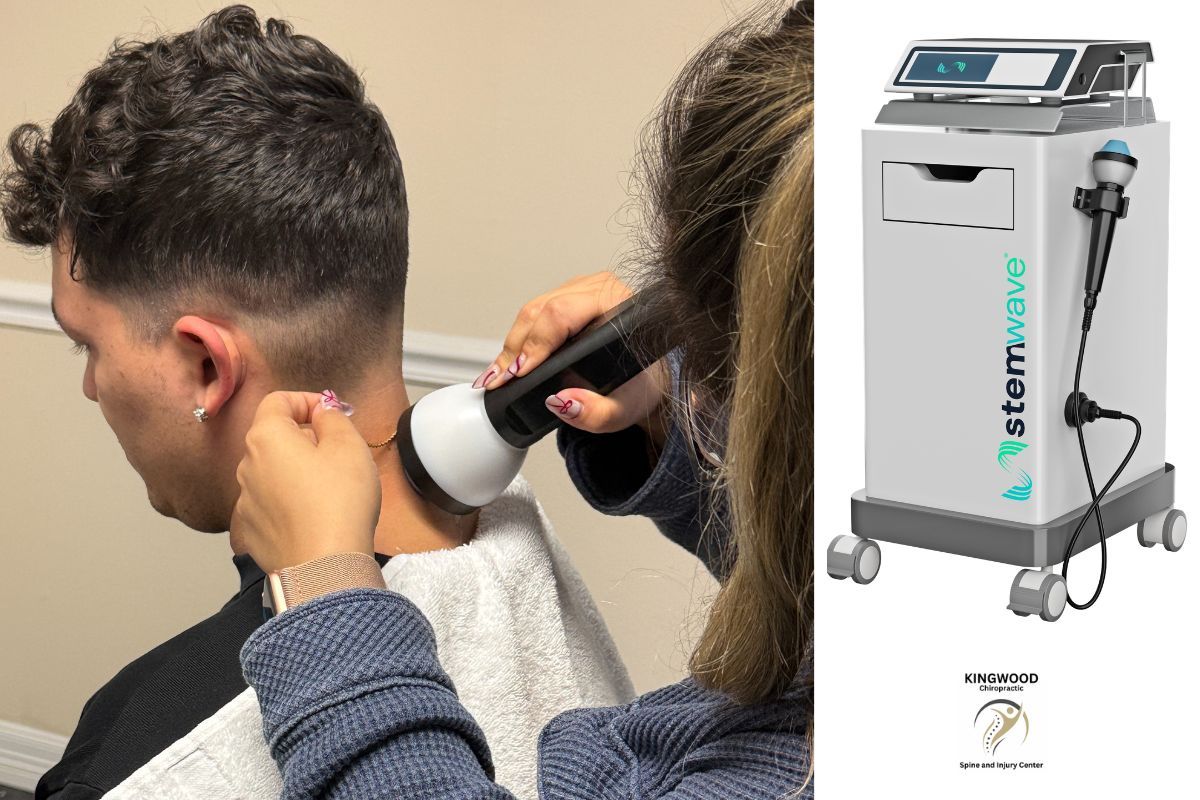
Shockwave therapy is non-invasive, which is a big plus. It's a good choice for those who want to avoid surgery. It's also safe, with only mild side effects like discomfort and swelling. These side effects usually go away in a few days 7. The FDA has approved some shockwave therapies, like StemWave and SoftWave, for their safety and ability to heal tissue 7.
Reduces Pain and Improves Nerve Function
Shockwave therapy also helps with pain and nerve function. A 2022 study found that 73% of people with diabetic neuropathy felt better after treatment 8. Most people saw big improvements, with each session lasting 10 to 15 minutes 8.
This therapy helps nerves heal faster and improves blood flow. It also reduces swelling 7 8. There are different types of shockwave therapy, each tailored to meet individual needs. Patients often see better mobility and less pain, numbness, and weakness 7. This treatment is a drug-free way to manage neuropathy pain. It's a popular choice for many patients.
Is Shockwave Therapy Right for You?
Shockwave therapy might be a good choice if you're looking for ways to manage neuropathy. It was first developed in Germany in the late 1960s. Over the past 50 years, it has become a common treatment for chronic conditions 9. This therapy uses energy pulses to create therapeutic effects. It's often helpful for neuropathic pain 10. People with chronic nerve pain, like diabetic neuropathy or nerve injuries, might find it useful. These are conditions where other treatments haven't worked 10.
It's important to know that shockwave therapy is FDA-approved for certain conditions. This makes it a credible option 9. Studies show it can help with pain, even when NSAIDs or physical therapy haven't worked 9. Treatment sessions usually last 15-20 minutes. You'll need two to three sessions 10. This allows for adjustments to the treatment plan for better results.
People with diabetic neuropathy have seen big improvements. A study with participants aged 40-85 with type 2 diabetes showed great results 11. Shockwave therapy is also less invasive and cheaper than surgery 10. But you should talk to a healthcare provider before trying it. They'll check if it's right for you. Some people might not be able to have it due to health reasons 10. Luckily, side effects are usually mild, like bruising or swelling 10.
Most healthcare providers using shockwave therapy are chiropractic doctors, sports medicine doctors and orthopedic doctors. They see the kind of patients who will benefit most from this type of therapy.
Types of Shockwave Therapy for Neuropathy
Shockwave therapy has different methods for treating neuropathy, each with its own benefits. Knowing the types can help you pick the best one for your needs.
Radial Shockwave Therapy (RSWT)
Radial shockwave therapy, or RSWT, uses lower peak pressures than focused shockwave therapy 12. It's great for treating larger areas of neuropathic pain. RSWT works by applying mechanical pressure and boosting collagen and tissue repair, helping nerves work better 12.
Focused Shockwave Therapy (FSWT)
Focused shockwave therapy, or FSWT, targets specific areas with precise energy. It comes in three types: electrohydraulic, electromagnetic, and piezoelectric 12. FSWT can help manage neuropathy by reducing pain and improving nerve function, making it a good choice for targeted relief 13. Studies have shown its effectiveness for chronic tendinopathies 12.
Acoustic Wave Therapy (AWT)
Acoustic wave therapy uses sound waves to heal larger areas. Unlike FSWT, AWT treats broader regions, promoting healing and reducing inflammation. It boosts blood flow and tissue repair, helping with neuropathic pain 14. AWT often leads to significant pain relief after just one session 14.
Unfocused Shockwave Therapy (StemWave)
Unfocused shockwave therapy, or StemWave, treats pain and injury by spreading energy over a large area. It's good for stimulating healing and treating extensive neuropathy areas. StemWave uses lower energy levels, relying on the body's healing abilities without too much force 12. It's a gentle, comprehensive treatment option.
Here's a comparison of different shockwave therapy types for neuropathy:
| Therapy Type | Method | Best For |
|---|---|---|
| Radial Shockwave Therapy (RSWT) | Lower peak pressures, broader area treatment | General pain relief |
| Focused Shockwave Therapy (FSWT) | Precision-targeted energy | Localized pain relief |
| Acoustic Wave Therapy (AWT) | Sound waves for extensive regions | Comprehensive healing |
| Unfocused Shockwave Therapy (StemWave) | Distributes energy over larger areas | Gentle, wide-area treatment |
Shockwave Therapy for Neuropathy: Treatment Process and Expectations
Understanding shockwave therapy is key to knowing what to expect and possible side effects. Here's what you need to know before your sessions.
What to Expect at Your First Appointment
At your first visit, the doctor will look at your medical history and do a physical check. This helps tailor the therapy to your needs. The goal is to fix the root cause of neuropathy and give people a pain relief option that is natural. The therapy uses high-energy sound waves on the affected area to help nerves heal. This method has been used since 1980 for pain management. It's safe and effective, backed by a lot of research 15. Recent studies show it's effective for many conditions. This makes it a key part of modern pain treatment 15.
Frequency and Duration of Treatment
Neuropathy treatment often needs several sessions. Treatments are usually three weeks apart, lasting 10-15 minutes each 16. This helps the body heal better over time. A study on diabetic mice showed great results. They got better nerve health and reduced inflammation with treatment 16.
Potential Side Effects
While safe, some people might feel mild side effects. These can include discomfort, swelling, or redness. But these usually go away quickly. Studies show extra corporeal shockwave therapy, (ESWT) is safe and effective for neuropathy 15. It can even reverse nerve damage and manage pain well 16.
Conclusion
Shockwave therapy is a new way to help with neuropathy pain. It's a non-invasive treatment that can really help. Studies show it can reduce pain and improve nerve function. This makes it a favorite among doctors and patients. Extracorporeal Shockwave Therapy (ESWT) is very effective. It uses sound waves to help nerves heal. This method has been used in medicine for decades, proving it's safe and works well 17 18. Plus, there are no bad side effects reported in trials 17. If you have neuropathy, and nothing else has seemed to help; Shockwave Therapy could change your life. It's easy to use and has many benefits. It can help with many nerve problems, like postherpetic neuralgia and peripheral neuropathy. This treatment offers a new way to feel better and live better.
FAQ
What is neuropathy?
Neuropathy is a condition caused by nerve damage. It leads to pain, tingling, or numbness in hands and feet. It often comes from diabetes, chemotherapy, or physical injuries.
How does shockwave therapy work for neuropathy?
Shockwave therapy uses high-energy waves to help the body heal. It boosts blood flow and activates growth factors to stimulate nerve healing. This helps repair nerves, reduce pain and eliminate inflammation.
What are the benefits of shockwave therapy for neuropathy ?
It's non-invasive and greatly reduces neuropathic pain. It also improves nerve function, easing symptoms like numbness and tingling. This is done without the risks of surgery or side effects of taking strong prescription medication.
What types of shockwave therapy are available for neuropathy?
There are several types, like Radial Shockwave Therapy (RSWT) and Focused Shockwave Therapy (FSWT). Each uses different technology to help with healing in various ways.
Is shockwave therapy safe?
Yes, it's safe and non-invasive. Most people feel little to no side effects, like temporary discomfort or redness. These usually go away soon after treatment.
How often will I need shockwave therapy treatments?
You'll likely need several sessions, but how often depends on your condition and response. Your doctor will create a plan based on your needs during your first visit. Most patients will go through an initial protocol of 8-10 shockwave therapy sessions over the course of 6-8 weeks, they will be re-evaluated to determine if more sessions are needed.
What can I expect at my first shockwave therapy appointment?
At your first visit, you'll talk about your medical history and how the therapy will be tailored for you. Your doctor will explain the process and what you can expect during treatment. During the shockwave therapy treatment, you will most likely feel a little discomfort, this is just the sound waves getting into the injured nerves and damaged tissues.
Who is an ideal candidate for shockwave therapy?
It's best for those with chronic neuropathic pain, like diabetic neuropathy or nerve damage from injuries. It's for people who haven't seen results from other treatments. The most common conditions we see, says Dr. Hamel, Kingwood shockwave therapy provider, are neuropathy frozen shoulder, plantar fasciitis, tennis elbow, Achilles tendonitis, osteoarthritis and tendinopathies.
Are there any potential side effects of shockwave therapy?
Side effects are rare but can include temporary discomfort or redness. These usually go away quickly after the treatment.
Is shockwave therapy covered by medical insurance?
Even know certain conditions have been cleared by the FDA for shockwave therapy, major health insurance does not cover treatments. These treatments are considered more alternative such as PRP therapy, stem cell therapy, ozone therapy and more. Don't be discouraged that ESWT is not covered by insurance; there are plenty of medical procedures and tests that are not covered by insurance that are lifesaving; this has always been the case. Shockwave therapy providers make it very affordable to get shockwave therapy treatments; it is a comparable cost to a physical therapy session.
What is the cost of shockwave therapy for neuropathy?
In the Houston, Texas area the average cost of a shockwave therapy session is $150-$250; this would be the same whether it is for neuropathy or frozen shoulder. Often times shockwave therapy providers will offer discounts for packages of 5 or more treatments which makes it more affordable.
Can I use my HSA or FSA health savings accounts to pay for shockwave therapy?
Yes, HSA and FSA does cover the cost of shockwave therapy treatments. The providers office will provide you with the necessary documentation, diagnosis and treatment codes to satisfy HSA/FSA requirements.
Source Links
- https://kingwoodchiropracticspineandinjurycenter.com/shockwave-therapy-for-neuropathy-find-lasting-relief-from-nerve-pain
- https://kingwoodchiropracticspineandinjurycenter.com/exploring-shockwave-therapy-for-neuropathy-benefits-and-risks
- https://allianceortho.com/specialties/shockwave-therapy/
- https://pubmed.ncbi.nlm.nih.gov/24093607/
- https://www.uchealth.org/today/shockwave-therapy-can-help-those-who-have-chronic-injuries/
- https://shockwavecanada.com/nerve-regeneration/
- https://softwaveclinics.com/blog/shockwave-therapy-for-neuropathy/
- https://www.healthline.com/health/diabetes/shock-wave-therapy-for-diabetic-neuropathy
- https://www.webmd.com/pain-management/what-is-shockwave-therapy
- https://patelpodiatry.com/blog/pros-and-cons-shockwave-therapy/
- https://www.scirp.org/journal/paperinformation?paperid=125186
- https://pmc.ncbi.nlm.nih.gov/articles/PMC9321712/
- https://www.allseasonsintegrative.com/blog/posts/emerging-therapies-for-peripheral-neuropathy-pulsed-electromagnetic-field-therapy-focused-shockwave-therapy-and-high-intensity-class-4-laser-therapy
- https://www.rockwallelitehealth.com/regenerative-medicine/shockwave-therapy
- https://pmc.ncbi.nlm.nih.gov/articles/PMC10648068/
- https://pmc.ncbi.nlm.nih.gov/articles/PMC4731656/
- https://pmc.ncbi.nlm.nih.gov/articles/PMC9548589/
- https://www.mayoclinic.org/medical-professionals/physical-medicine-rehabilitation/news/the-evolving-use-of-extracorporeal-shock-wave-therapy-in-managing-musculoskeletal-and-neurological-diagnoses/mac-20527246
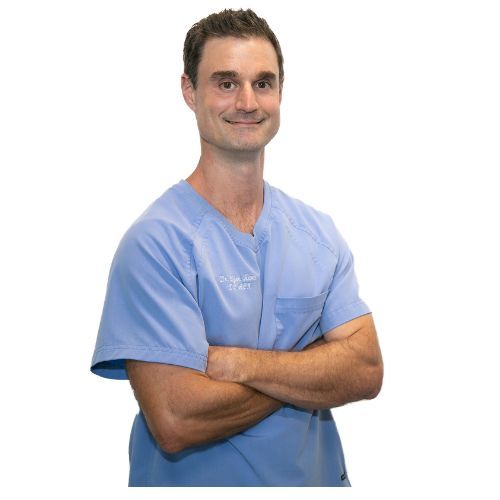
About Dr. Tyler Hamel
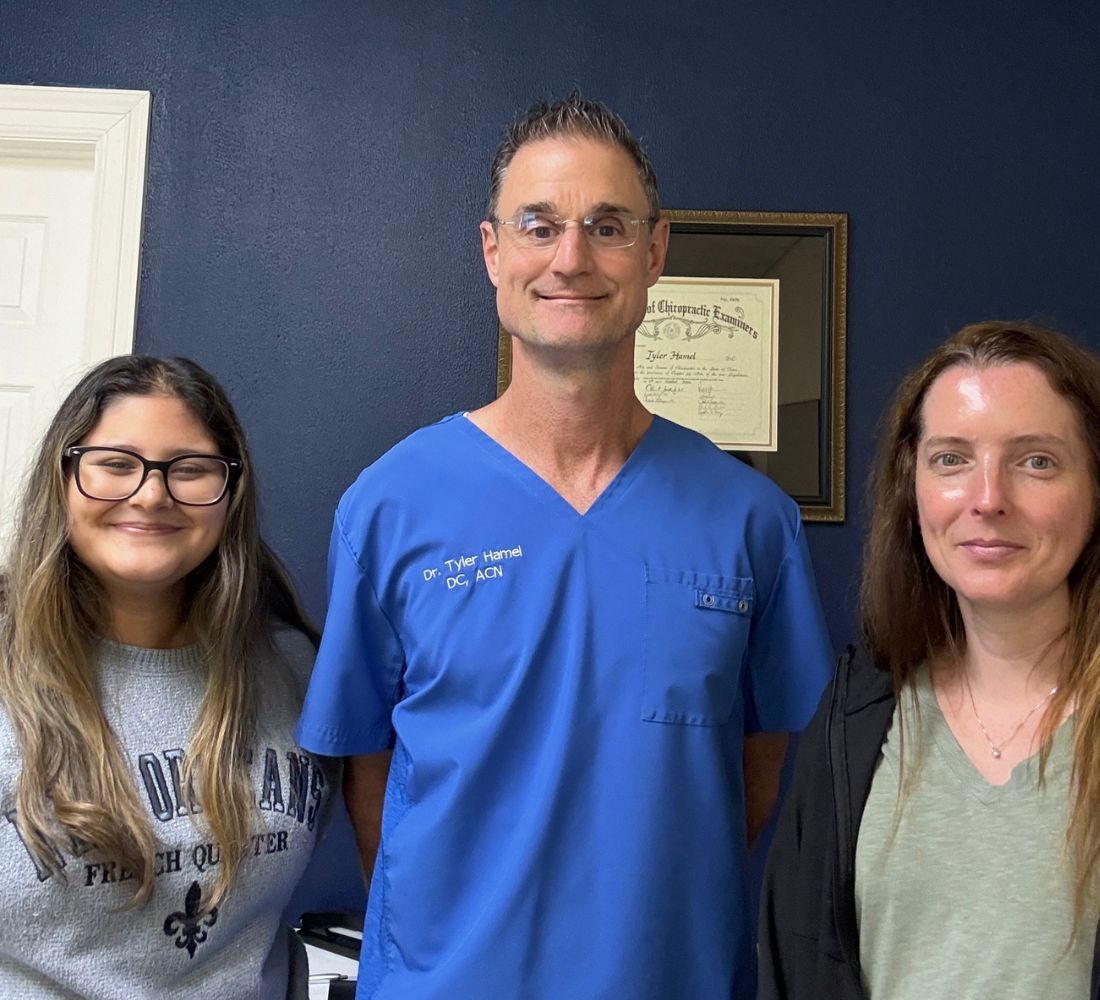
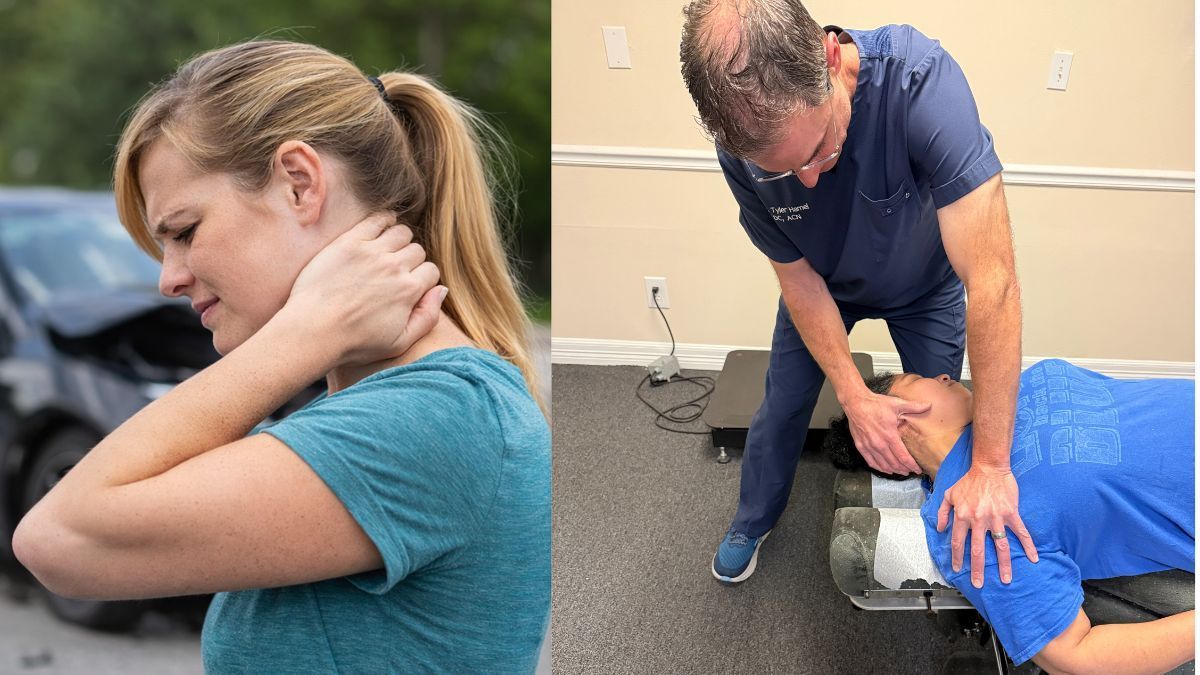
Dr. Tyler Hamel is an experienced chiropractor with over 25 years of clinical practice, specializing in the treatment of neck pain, back pain, and car accident-related injuries, including whiplash. As the owner of Kingwood Chiropractic Spine and Injury Center, he provides comprehensive, conservative care to patients in Kingwood and the northeast Houston area using chiropractic adjustments, corrective exercises, shockwave therapy, and cold laser therapy. Dr. Hamel frequently collaborates with attorneys and other healthcare providers in personal injury cases to ensure coordinated care, proper documentation, and appropriate referrals. A member of the Texas Chiropractic Association, he is committed to ongoing education and advancing clinical excellence while helping patients achieve lasting relief and improved function.
Recent Posts