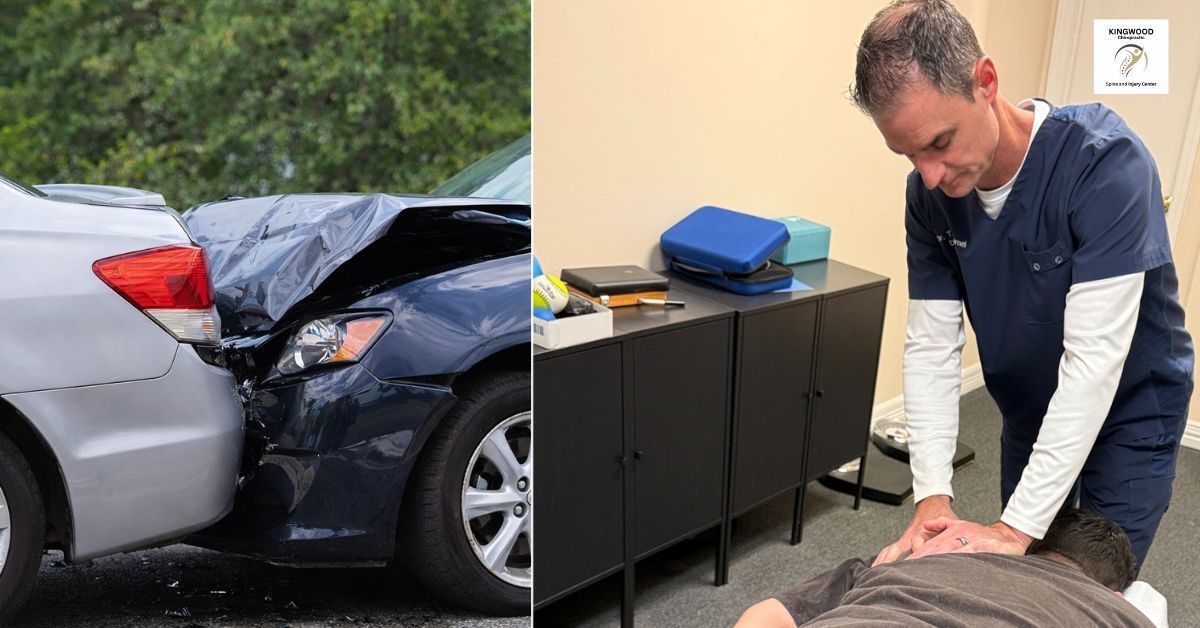


Car Accident Whiplash Recovery with a Kingwood Chiropractor

You didn’t walk away from the accident bleeding; so you assumed you were fine. Days later, your neck feels stiff, headaches start creeping in, and turning your head suddenly hurts. This is how whiplash often begins—not at the scene of the crash, but in the quiet days afterward when your body finally reacts to the trauma.
As a Kingwood Chiropractor focused on car accident and whiplash injuries, the goal is to identify hidden spinal and soft tissue damage early and guide patients toward a full, lasting recovery.
Quick Insights
- Whiplash injuries often do not appear on X-rays or routine imaging
- Symptoms can be delayed for days or weeks after a car accident
- Early chiropractic care can reduce long-term pain and stiffness
- Whiplash affects the neck, upper back, shoulders, and nervous system
- Treatment should address joint motion, soft tissue injury, and function
- Insurance coverage may include PIP, UM/UIM, or attorney-based claims
Key Takeaways
- Whiplash is a soft tissue and joint injury caused by rapid acceleration and deceleration
- Pain severity does not always match the severity of tissue damage
- A personalized treatment plan improves recovery and reduces chronic symptoms
- Chiropractic care focuses on restoring movement, not just masking pain
- Documentation and proper diagnosis matter for insurance and legal cases
- Local care ensures continuity and easier follow-up during recovery
Why It Matters
Early evaluation allows injuries to be documented and treated before chronic patterns develop. Chiropractic care after a car accident is not about cracking or forcing movement. It is about restoring normal joint mechanics, reducing inflammation, and supporting the nervous system’s ability to heal.
A Kingwood chiropractor understands the local referral network, imaging centers, and insurance processes, which helps streamline care. Early intervention often results in faster recovery, fewer long-term complications, and better outcomes overall.
Introduction
As a chiropractor with more than 25 years of experience treating auto accident injuries, I’ve seen firsthand how often whiplash is misunderstood or underestimated. Many patients tell me they “felt fine” immediately after their accident, only to develop neck pain, headaches, stiffness, or arm symptoms days or even weeks later. Whiplash is not just a sore neck—it is a complex injury involving the spine, muscles, ligaments, joints, and nervous system.
At Kingwood Chiropractic Spine and Injury Center, my focus is on identifying the true source of symptoms after a car accident and helping patients recover safely without surgery or unnecessary medications. This article explains what whiplash really is, why early care matters, and how working with a Kingwood chiropractor can make a meaningful difference in recovery.
Understanding Whiplash After a Car Accident
Whiplash occurs when the head and neck are suddenly forced forward and backward, commonly during rear-end or side-impact collisions. This motion places abnormal stress on the cervical spine, surrounding muscles, ligaments, discs, and facet joints. Even low-speed collisions can generate enough force to cause injury.
What makes whiplash challenging is that it often involves microtrauma. These injuries may not be visible on standard imaging but can still produce pain, stiffness, headaches, dizziness, and neurological symptoms. Over time, untreated whiplash can lead to chronic neck pain, postural changes, and reduced spinal stability.
Why Whiplash Symptoms Are Often Delayed
One of the most common reasons patients delay care is because symptoms do not appear immediately. After a collision, adrenaline and stress hormones temporarily block pain signals. As inflammation develops and muscle guarding increases, symptoms begin to surface.
Delayed symptoms may include neck stiffness, reduced range of motion, headaches, shoulder pain, upper back tightness, jaw discomfort, numbness or tingling in the arms, and difficulty concentrating. When left untreated, the body may adapt poorly, leading to compensations that cause ongoing pain.
Seeing a Kingwood Chiropractor soon after a car accident allows joint restrictions, ligament strain, and nervous system irritation to be addressed before they turn into chronic pain patterns.

How Chiropractic Care Helps Whiplash Recovery
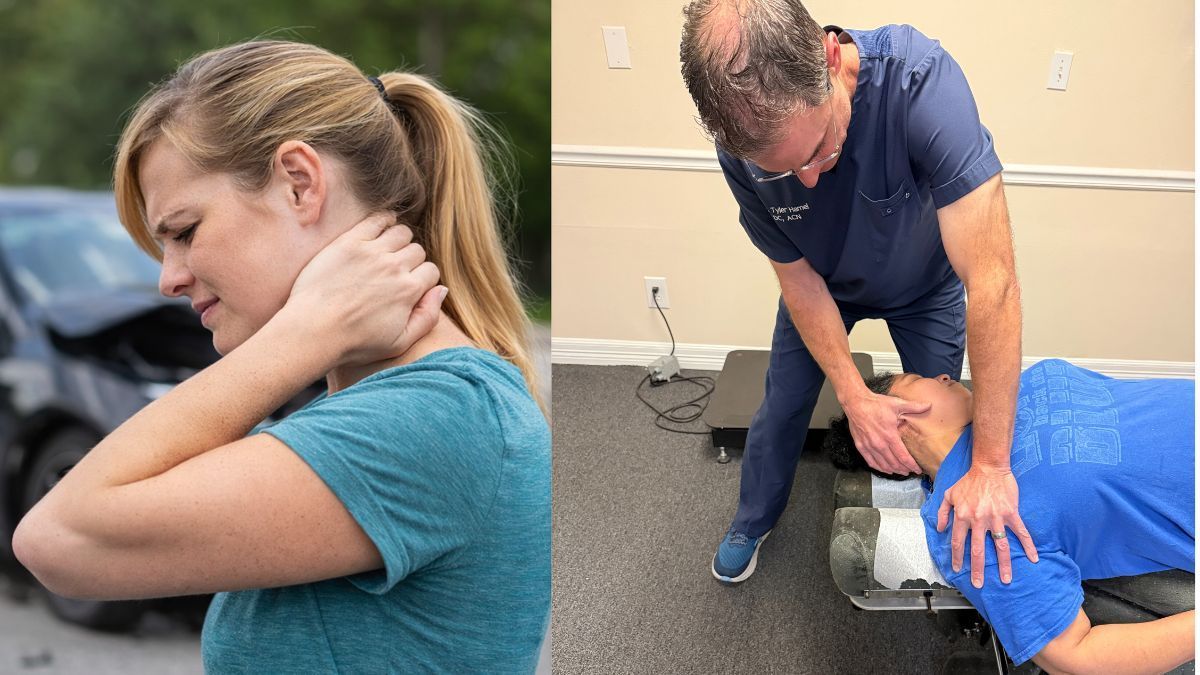
Chiropractic care focuses on restoring motion and function to injured joints while addressing soft tissue damage. Whiplash frequently causes joints in the neck and upper back to become restricted or misaligned, which can perpetuate pain and muscle tension.
Treatment may include gentle spinal adjustments, mobilization techniques, soft tissue therapy, and guided rehabilitation exercises. These approaches help reduce muscle guarding, improve circulation, and normalize movement patterns.
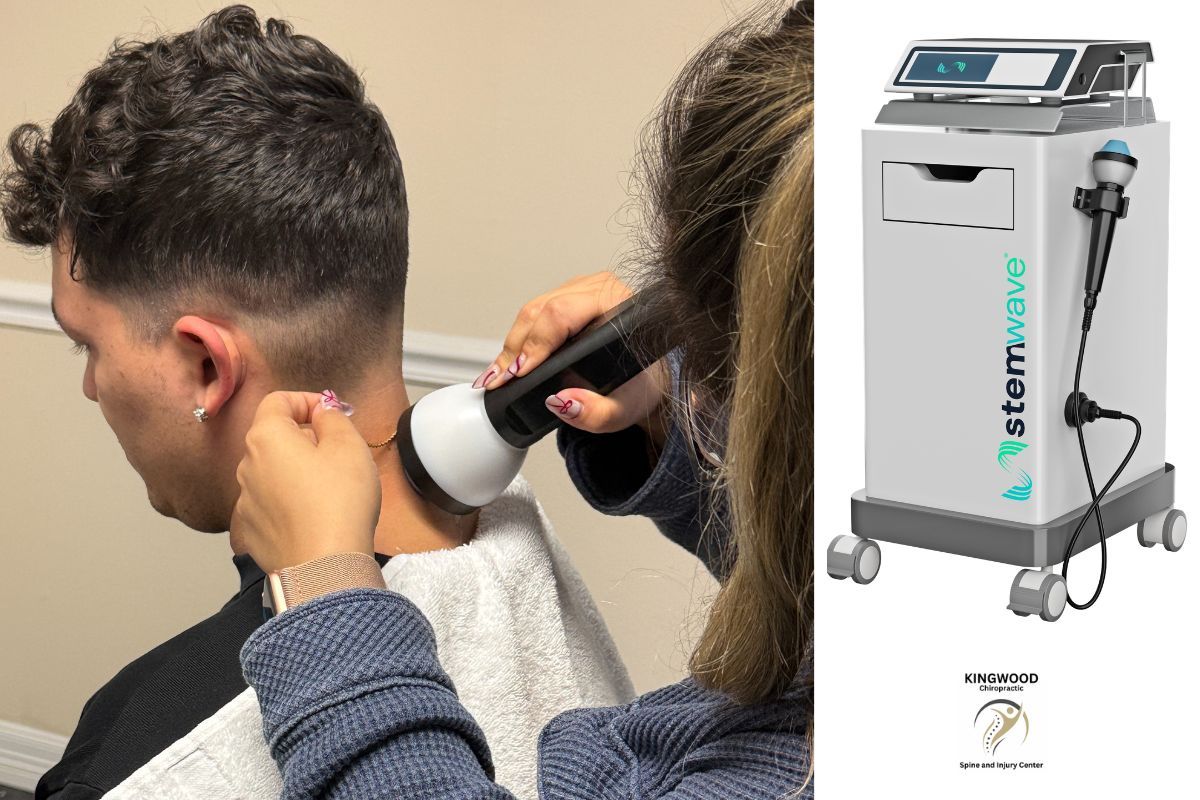
In addition, modern chiropractic care often integrates therapies such as shockwave therapy, cold laser therapy, and corrective exercises to support tissue healing and neuromuscular control.
A Kingwood Chiropractor uses targeted, evidence-based techniques to restore spinal motion, reduce inflammation, and support proper healing without relying on surgery or long-term medication.
Addressing the Whole Spine and Nervous System
Whiplash rarely affects only one area. The cervical spine, thoracic spine, shoulders, and even the lower back may be involved due to force transmission during the collision. Headaches, balance issues, and arm symptoms may indicate nervous system involvement.
A comprehensive chiropractic evaluation looks beyond the site of pain to identify contributing factors. This whole-body approach is essential for preventing lingering symptoms and future injury.
Why Imaging and Clinical Exams Matter
While X-rays and MRIs are not always required, they play an important role when symptoms persist or neurological signs are present. Imaging helps rule out fractures, disc injuries, or ligament damage that may require modified care.
Equally important is a thorough clinical exam. Range-of-motion testing, orthopedic assessments, neurological screening, and functional evaluation provide insight that imaging alone cannot.
Navigating Insurance and Injury Claims
Car accident care often involves insurance considerations. Chiropractic offices experienced in injury cases routinely work with Personal Injury Protection, Uninsured or Underinsured Motorist coverage, third-party claims, and attorney-based cases under Letters of Protection.
Proper documentation, consistent care, and accurate diagnosis help protect patients medically and legally. Seeking care early ensures injuries are clearly linked to the accident rather than dismissed as pre-existing.
Serving Kingwood and Surrounding Communities
Many patients travel a short distance for specialized care following an accident. Kingwood Chiropractic Spine and Injury Center serves patients from Kingwood, Humble, Atascocita, Porter, and New Caney, providing accessible care for those recovering from auto injuries throughout the Lake Houston area.
Many patients choose a Kingwood Chiropractor because local care makes follow-up visits, rehabilitation, and documentation easier during the recovery process.
Why Chiropractic Care Matters
Whiplash injuries are often minimized or ignored, yet they can significantly impact quality of life when left untreated. Early chiropractic care focuses on restoring normal function rather than simply managing pain. This approach reduces the risk of chronic neck pain, headaches, and postural issues that may persist for years.
Choosing a chiropractor experienced in auto accident injuries ensures that care is comprehensive, documented, and focused on long-term recovery rather than short-term relief.

Final Thoughts
Whiplash is a complex injury that deserves careful evaluation and personalized care. Working with a local Kingwood chiropractor who understands both the clinical and insurance aspects of auto injuries can significantly improve recovery outcomes. If you have been involved in a car accident and are experiencing neck pain, headaches, or stiffness, early evaluation may help prevent long-term problems and support a full return to daily activities.
Frequently Asked Questions
How soon should I see a chiropractor after a car accident if I suspect whiplash?
Ideally, you should be evaluated within the first few days after a car accident, even if symptoms seem mild. Early chiropractic assessment helps identify hidden joint or soft tissue injuries before inflammation and compensation patterns set in, which can reduce the risk of long-term pain.
Can whiplash heal on its own without treatment?
Some mild cases may improve over time, but many whiplash injuries involve joint restrictions or ligament damage that do not fully heal without care. Untreated whiplash can lead to chronic neck pain, headaches, and reduced mobility months or even years later.
Why do headaches develop after a whiplash injury?
Whiplash can irritate joints, muscles, and nerves in the upper cervical spine, which often refer pain into the head. These headaches are commonly cervicogenic, meaning they originate from the neck rather than the head itself.
Is chiropractic care safe immediately after a car accident?
Yes, when provided by an experienced chiropractor, care is gentle, controlled, and tailored to the patient’s condition. Treatment focuses on restoring motion and reducing inflammation, not forcing movement.
What makes whiplash different from a simple neck strain?
A neck strain typically involves muscle tissue only, while whiplash often includes injury to spinal joints, ligaments, discs, and the nervous system. This is why whiplash symptoms can be more persistent and complex.
Can whiplash cause symptoms in the shoulders or arms?
Yes. Nerve irritation or altered spinal mechanics from whiplash can cause shoulder pain, arm weakness, numbness, or tingling, even when the primary injury occurred in the neck.
How long does chiropractic treatment for whiplash usually last?
Recovery time varies depending on the severity of the injury, how quickly care begins, and individual healing factors. Some patients improve within weeks, while others require a longer course of rehabilitation to fully restore function.
Do I need imaging before starting chiropractic care?
Not always. Imaging is recommended when symptoms suggest disc injury, neurological involvement, or lack of improvement. A chiropractor will determine whether X-rays or MRI are appropriate based on your exam findings.
Can chiropractic care help even if my accident happened months ago?
Yes. While early care is ideal, chiropractic treatment can still help reduce pain, improve mobility, and address compensation patterns even months after an accident.
Will whiplash affect my posture or long-term spinal health?
If left untreated, whiplash can contribute to postural changes, reduced neck stability, and accelerated joint degeneration. Proper care helps restore normal biomechanics and protect long-term spinal health.
Does insurance usually cover chiropractic care after a car accident?
In many cases, chiropractic care is covered under Personal Injury Protection (PIP), Uninsured or Underinsured Motorist coverage, or third-party claims. Some patients also receive care under attorney-managed cases.
What should I bring to my first chiropractic visit after a car accident?
Bring any accident details, insurance information, imaging reports if available, and a list of symptoms. Even small details help ensure accurate diagnosis and documentation.
Recent Posts