Do you have pain in your Achilles tendon or plantar area? You're not alone. Achilles tendonitis is a common injury caused by overuse. Shockwave therapy is a non-invasive treatment that can help reduce pain and speed up healing.
If every step you take is a painful reminder of your Achilles tendinitis or plantar fasciitis, you’re not alone. These stubborn injuries can make even the simplest activities—walking, running, or standing for long periods—feel unbearable. You’ve likely tried everything: rest, ice, stretching, maybe even orthotics or injections. But if the pain keeps coming back, it’s time to explore a proven solution that’s helping athletes and active individuals heal faster and more effectively—Shockwave Therapy for Achilles tendonitis.
Unlike temporary pain relief methods, Shockwave Therapy directly targets the root cause of your Achilles and heel pain; the injured tissues. This innovative treatment sends high-energy acoustic waves into the damaged tissues, breaking up scar tissue, improving blood flow, and stimulating faster healing at a cellular level. Research shows that shockwave therapy can significantly reduce pain and improve function—without the need for surgery or long-term medication use. Many athletes and weekend warriors alike have found relief in just a few sessions, getting them back to the activities they love.
Imagine waking up without that sharp heel pain or being able to run, jump, and move without hesitation. Shockwave Therapy could be the breakthrough you’ve been searching for. If Achilles tendinitis or plantar fasciitis is slowing you down, don’t wait for the pain to take over your life. Take the first step toward healing today—discover how Shockwave Therapy for Achilles tendonitis can help you get back on your feet, stronger than ever.
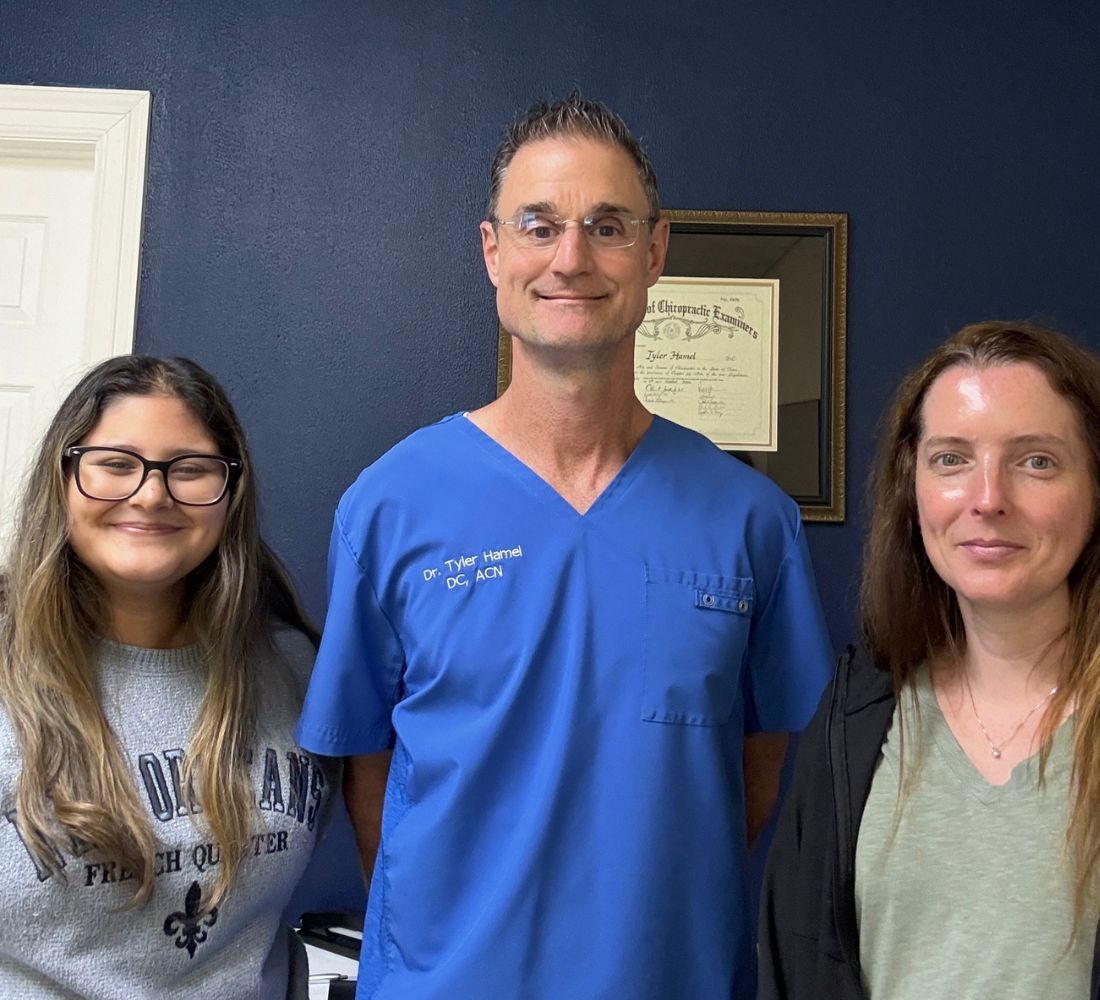
Studies show that shockwave therapy works for about 75-80% of patients with heel pain. It's a good option for those looking for a more natural, non-surgical Achilles tendonitis treatment. The main benefits of extra corporeal shockwave therapy, (ESWT), are boosting blood flow to the injured area, reducing inflammation and improving range of motion and mobility. Dr. Hamel, Kingwood shockwave therapy provider, says that many of these chronic athletic injuries don't heal because the area doesn't get sufficient blood flow; blood flow that provides growth factor and other healing cells to fix damaged soft tissues. 
When looking at treatment options, understanding shockwave therapy's benefits is key. It stimulates the body's natural healing process. This makes it an effective, non-invasive treatment for Achilles tendonitis and plantar fasciitis pain. The benefits of shockwave therapy are many. It's important to explore them to make an informed decision about your treatment.
Key Takeaways
- Shockwave therapy is a non-invasive treatment option for Achilles tendonitis and plantar pain. The most common athletes experiencing this pain are football players, basketball players, tennis players, pickleball enthusiasts and runners.
- The success rate of shockwave therapy for heel pain is around 75-80%. Compared to all other treatments, invasive and non-invasive, ESWT has an impressive track record.
- Shockwave therapy can help reduce pain and promote healing. By boosting blood flow, these damaged tissues start to heal, after healing takes place improved function and mobility are next.
- The treatment duration for a single session typically ranges from 5-10 minutes. Most Achilles tendonitis patients see improvement after the first session, usually a 5-15% positive change in pain relief and range of motion.
- Athletes can typically return to activity within 24 hours after receiving shockwave therapy. For athletic injuries, ESWT can be used in two ways, first for acute injury treatment to help the athlete get through their season. Secondly, a longer timeline to getting full healing and repair. Many athletes have some degree of tendinitis from training and playing their sport, ESWT can help get them ready for their next competition. For more serious injuries, where the athlete cannot compete; look at 6-8 weeks of consistent shockwave therapy treatments for a full recovery.
- Shockwave therapy is often used in combination with other therapies such as chiropractic, physical therapy and platelet-rich plasma (PRP) injections. Remember that tissue healing, for collagen to laid down in the injured tissues, takes 6-8 weeks, so definitely do not overdo it with intense exercise while you are going through the healing process.
Understanding Shockwave Therapy for Achilles Tendonitis
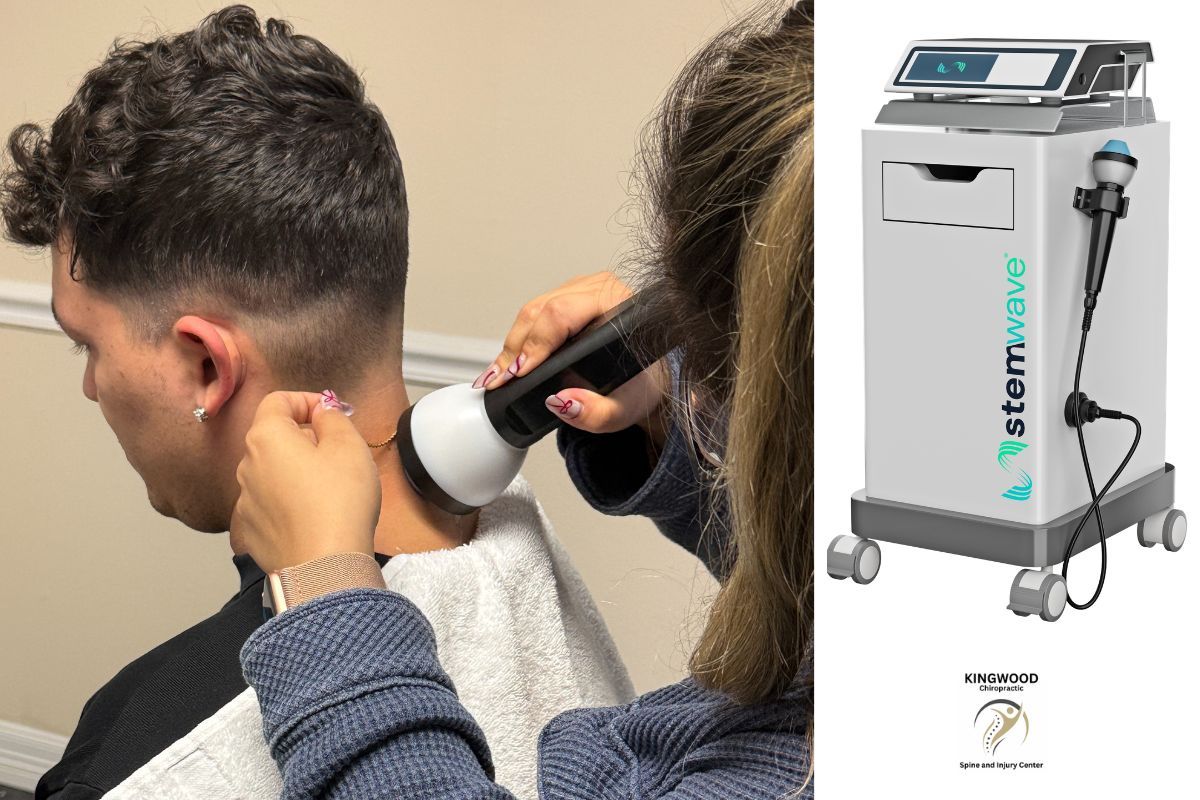
Have you heard about shockwave therapy for Achilles tendonitis? It's a non-invasive treatment that uses high energy sound waves to help heal the affected area. This therapy is known for reducing pain and promoting healing by improving blood flow and reducing inflammation. Any connective tissue that is injured, says Dr. Hamel, shockwave therapy provider in Houston, Texas, shockwave therapy can enhance healing and repair. This can be used on injured muscle, tendons, ligaments, cartilage, bone and fascia.
Research shows that shockwave therapy can be very effective for Achilles tendonitis. For instance, a study by Rompe et al. (2007) found that it and eccentric exercises were better than waiting and seeing. The combination of ESWT and the right stretching and strengthening exercises is showing very promising results for tendinopathies. Here are some important points:
- Achilles tendinopathy makes up about 9% of all sports injuries and up to 18% of running injuries. There is a lot of pressure on the Achilles tendon with jumping sports and sports that involved a lot of starting, stopping and cutting.
- As many as 33% of Achilles tendon injuries happen in people who don't exercise much. Calf muscle seem to be tight on everyone, athletes and non-athletes, when the calves are tight; there is a lot of extra pressure put on the Achilles tendon and the plantar fascia.
- Around 25%-29% of patients with Achilles tendinopathy need surgery. As a shockwave therapy provider, Dr. Hamel says, we hope to be able to help more patients avoid surgery if possible. People, especially athletes, would prefer to heal their Achilles tendinitis naturally without surgery; surgery can take 6-8 months or more to recover from.

While surgery is usually a last choice, shockwave therapy is a good option for those looking for more natural, lasting relief. It helps with chronic pain and promotes healing, making it a valuable treatment.
The Revolutionary Benefits of Shockwave Treatment
Looking for a natural way to treat Achilles tendonitis? You want something that works fast, doesn't hurt, and helps you heal quickly. For foot and heal pain, shockwave therapy for Achilles tendonitis is your answer. It's a non-invasive method that has proven to reduce pain and aid in healing for those suffering with chronic Achilles tendonitis. With a success rate of 70-80%, it's a great alternative to traditional treatments. To see a 70-80% success rate in any type of treatment is almost unheard of, says Dr. Hamel, this is why more athletes and sports teams are starting to consistently use shockwave therapy for Achilles tendinitis relief.
Shockwave therapy
offers many benefits for Achilles tendonitis recovery. It's quick, lasting only 5-10 minutes per session. You might need 8-10 sessions over a few weeks for the best results. This makes it perfect for those with tight schedules or who want a treatment that fits their lifestyle. Shockwave therapy has many benefits, which are:
- Reduced pain and inflammation
- Promoted healing and tissue repair
- Improved mobility and function
- Non-invasive and low risk of side effects
- Quick treatment sessions and minimal recovery time
Shockwave therapy is a game-changer for treating Achilles tendonitis. It's non-invasive, effective, and has a high success rate. It's no surprise that more and more people are choosing it for their treatment. Today we are seeing more chiropractic doctors and orthopedic doctors offering shockwave therapy to their patients for Achilles tendonitis, plantar fasciitis, sprained ankles, frozen shoulder, tennis elbow and even neuropathy.
Your Treatment Journey: What to Expect During Sessions
Starting your journey to heal from Achilles tendonitis? Knowing what to expect in your shockwave therapy sessions is key. This treatment is known to reduce pain, boost blood flow, and aid in healing. Your treatment will be customized to fit your needs, with sessions initially at 2X per week and going down to 1X per week for about 6-8 weeks depending on how the patient is responding.
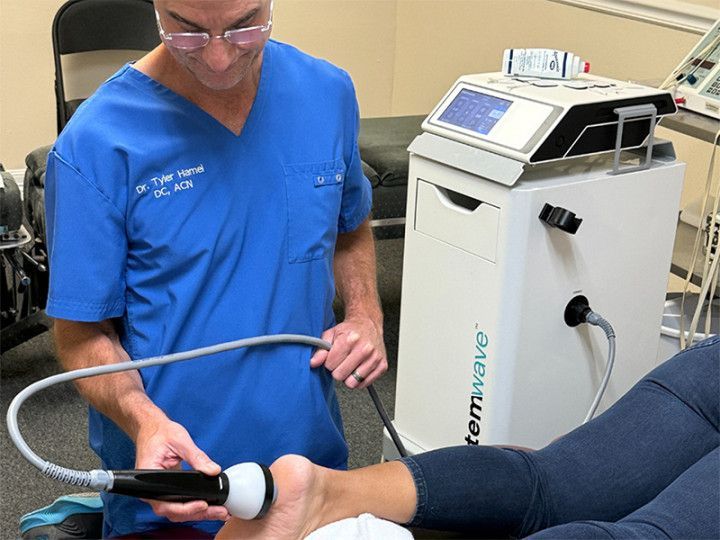
The procedure is short, lasting 5-10 minutes per session. You might feel some discomfort, but it should be no more than a 6/10 on the pain scale. It's non-invasive, so there's no risk of infection or need for anesthesia. This means you can go back to your usual activities right after, without any downtime. Feeling some discomfort during a shockwave therapy session is normal says Dr. Hamel, the soundwaves penetrate into the damaged tissue, (tendon, ligament, muscle, fascia), and this causes irritation which promotes a healing response. Think of it like this says Dr. Hamel, injured or damaged tissue and areas of high inflammation; you are going to feel shockwave therapy over those areas; healthy areas you are not going to feel much besides a pulsing.
What to Expect During Your Sessions
- Initial consultation and assessment to determine the best course of treatment for your Achilles tendonitis.
- A series of shockwave therapy sessions, typically lasting 5-10 minutes each. We always do a shockwave therapy session on the first visit says Dr. Hamel, many patients see improvement right away.
- Post-treatment care instructions to ensure optimal healing and minimize any possible side effects. Occasionally the patients may have some redness or swelling in the area that was treated by ESWT, this usually goes away within 24-48 hours.
Following your treatment plan and attending the recommended number of shockwave therapy sessions is vital for optimal results and recovery. With shockwave therapy, you can look forward to less pain and better mobility. Stick to your plan, and you'll be on the path to a full recovery using this high tech, non-surgical, Achilles tendonitis treatment.
Recovery Timeline and Healing Milestones
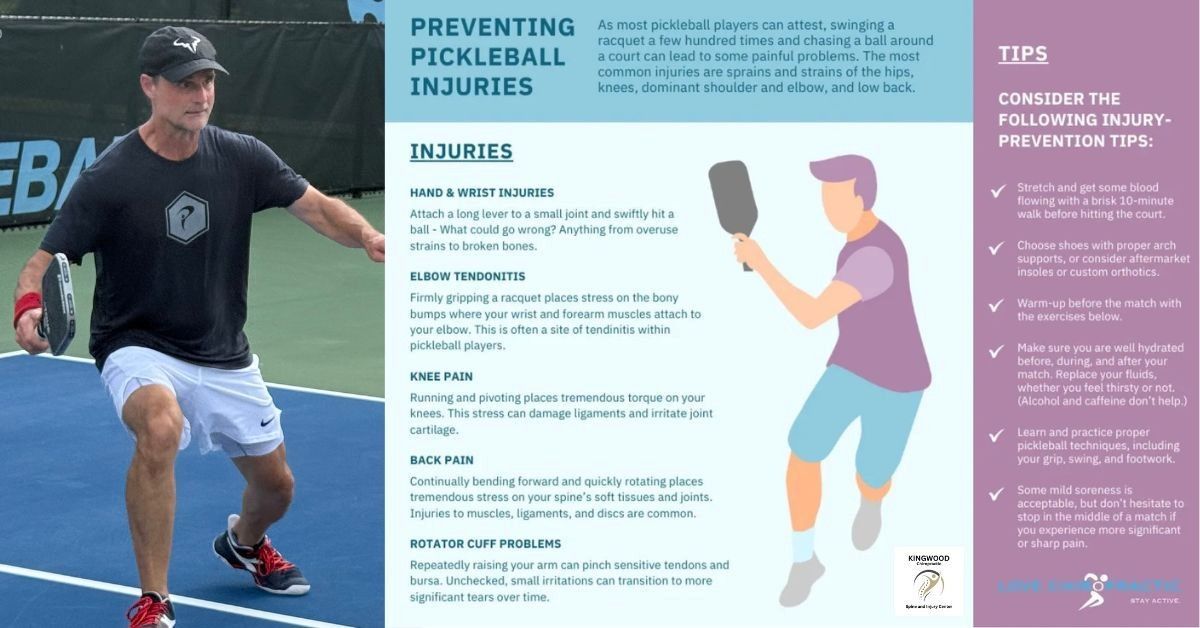
When you get non-invasive shockwave therapy for Achilles tendonitis, knowing the recovery timeline is key. Most people feel significantly less pain and more mobility in 6-12 weeks. This is because shockwave therapy helps heal tissues and reduce pain, letting you get back to your activities like pickleball, tennis, running, hiking and basketball.
The recovery time can vary based on several things. These include factors such as how bad the condition is, sticking to the treatment plan, and your overall health. It's important to be patient and follow the treatment plan closely for the best results. You'll likely see big improvements in your condition, like less pain and swelling, a few weeks into shockwave therapy.
Here are some important healing milestones to look out for during Achilles tendonitis recovery:
- Reduced pain and inflammation within 2-4 weeks.
- Improved range of motion and mobility within 6-8 weeks.
- Increased strength and function of the affected area after 8 weeks.
Knowing the recovery timeline and milestones helps you manage your expectations. It also helps you work closely with your healthcare provider for the best results from non-invasive shockwave therapy. With its many benefits, including healing, decreasing inflammation and pain reduction, you're on the right track to a successful recovery.
Combining Shockwave Therapy with Other Treatment Methods
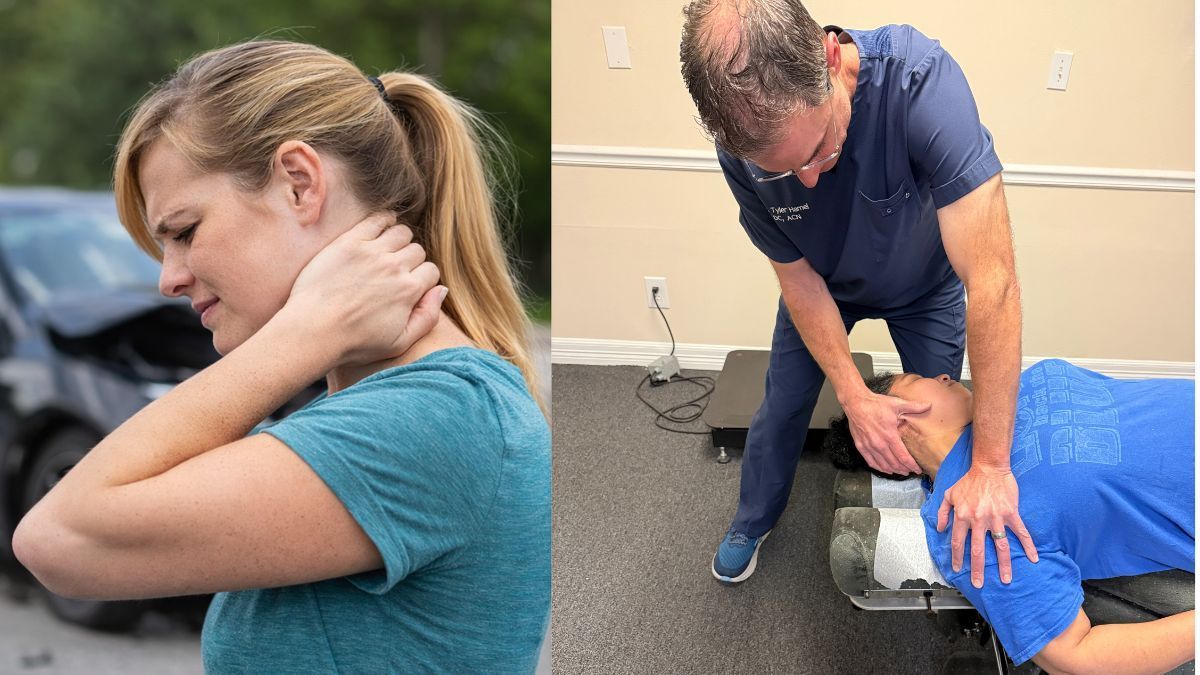
Combining shockwave therapy with other treatments can be very effective for Achilles tendonitis. Shockwave therapy is a valuable option for treating tendinitis pain. Adding exercises and lifestyle changes can make it even better. Stretching and strengthening exercises are great to add to your treatment. Wearing orthotics or changing your shoes can also help. These changes work well with shockwave therapy to heal and reduce pain. Every person's treatment plan for Achilles tendonitis is different. Using shockwave therapy with other methods such as massage, acupuncture, chiropractic or physical therapy is a big part of this. A healthcare professional can help you create a plan that includes shockwave therapy, exercises, and lifestyle changes.
| Treatment Method |
Description |
| Shockwave Therapy |
A non-invasive treatment that uses high-energy sound waves to promote healing |
| Complementary Exercises |
Stretching and strengthening exercises that can be done in conjunction with shockwave therapy |
| Lifestyle Modifications |
Changes to your daily routine, such as wearing orthotics or changing your footwear, that can help promote healing |
Conclusion: Taking the Next Step in Your Healing Journey
If you're dealing with Achilles tendonitis or chronic heel pain, there's hope. Shockwave therapy is a non-invasive solution that can help you get back to your active life. It speeds up your body's healing, reducing pain and helping you recover faster.
Shockwave therapy targets the root causes of your Achilles tendonitis or chronic Achilles pain. It boosts blood flow and collagen production, starting your healing journey. Many patients see big improvements, getting back to their daily activities and sports sooner.
Don't let Achilles tendon pain stop you. Talk to a healthcare expert about shockwave therapy and a treatment plan that's right for you. This approach is effective and safe, helping you live your best, most active life.
FAQ
What is shockwave therapy and how can it help with Achilles tendonitis and plantar fasciitis pain?
Shockwave therapy is a non-invasive treatment that uses sound waves to help the body heal. It's great for Achilles tendonitis and plantar fascia pain by reducing swelling and boosting blood flow. Studies show it works for about 75-80% of patients with heel pain. The shockwave naturally stimulates the body to heal and repair damaged or injured areas like the Achilles tendon, plantar fascia, patellar tendon and rotator cuff tendons.
How does shockwave therapy work for tendon healing?
It works by sending pulsating, high energy, sound waves to the injured area, the stimulates your own body to start the healing process. This increases blood flow, reduces swelling, and helps repair damaged tissue. It's proven to be effective for chronic tendon problems like Achilles tendonitis, rotator cuff syndrome, tennis elbow, IT Band syndrome and jumper's knee.
What are the benefits of shockwave therapy for Achilles tendonitis?
ESWT, extra corporeal shockwave therapy, is non-invasive, reduces pain, boosts blood flow and promotes healing. The treatments are short, with minimal recovery time. It can be used with other treatments like physical therapy and chiropractic care.
What should I expect during a shockwave therapy treatment session?
First, you'll have a consultation to plan your treatment. Then, a device will send sound waves to the injured area such as the Achilles tendon, shoulder, foot or elbow. After the session most patients feel positive results; the patient is encouraged to not overdo it with exercise or do any activities that may interrupt the healing process.
How long does it take to see results from shockwave therapy for Achilles tendonitis?
Recovery times vary based on the individual and the condition's severity. Most see improvements in a few weeks. Sticking to the treatment plan and any recommended exercises is key for the best results. For patients with Achilles tendinitis, most of them see noticeable improvements within 3 visits; for full recovery expect 8-10 shockwave therapy sessions.
Can shockwave therapy be combined with other treatments for Achilles tendonitis?
Yes, combining shockwave therapy with other treatments can be very effective such as chiropractic, physical therapy, acupuncture and massage. Adding corrective exercises, lifestyle changes, and prevention strategies can help heal Achilles tendonitis and other foot/heel issues faster and more effectively.
What are the risks of not treating my Achilles Tendonitis?
Chronic Achilles tendonitis can certainly result in Achilles tendon tears which may be partial or full. A complete Achilles tendon rupture will need surgery; there is no other choice; and expect to have a 6–8-month recovery time. It is important to start shockwave therapy as soon as you start to feel your Achilles pain; get on top of it before the inflammation gets out of hand and mini tears start to happen in the tendon.
What conditions can be treated with shockwave therapy?
Besides Achilles tendonitis, there are many overuse injuries and conditions that can be successfully treated with shockwave therapy. People are seeking out shockwave therapy for pain relief of: plantar fasciitis, tennis elbow, golfer's elbow, frozen shoulder, shoulder calcifications, patellar tendinitis, stress fractures, shin splints, Morton's neuroma, hamstring sprains, biceps tendinopathy, carpal tunnel syndrome and neuropathies.
How many shockwave therapy sessions are needed?
The number of shockwave therapy treatments needed to heal and repair depends on the specific injury and medical history of the patient. Dr. Hamel, shockwave therapy provider in Kingwood, Texas breaks it down into conditions that are either uncomplicated or complicated. Uncomplicated cases are usually pretty common wear and tear type injuries, if the condition has been around for 6 months or less, if the patient is in good health, it will take 6-8 weeks of care and 8-10 EWST sessions. Complicated cases can take 6 months or longer and 20-24 EWST sessions. Complicated cases can be if the injury or condition has been going on for years, if the patient has significant tears in a tendon, if the patient has already had orthopedic surgery on the area, if the patient has pre-existing conditions such as diabetes, auto-immune conditions or any other health issues that slow down healing and repair.
Who is a good candidate for shockwave therapy treatment?
Patients who are responding and getting the best results, says Dr. Hamel are those who are committed to getting better because they have a very good reason to do so. People who consistently are involved in hobbies or sports do not want to be injured; because, due to pain they can no longer do what they love to do. People who are in pain and miserable because they can't do the things they love are great candidates for ESWT. People who do not like to take medicine or the idea of getting surgery, and want something more alternative, are also good candidates. With people coming in with tendinitis, arthritis, and inflammatory conditions; these folks usually respond to shockwave therapy within 3 sessions; otherwise, they are probably not a good candidate.
Source Links
- https://pmc.ncbi.nlm.nih.gov/articles/PMC3070010/
- https://www.childrenshospital.org/treatments/shockwave-therapy
- https://pmc.ncbi.nlm.nih.gov/articles/PMC9382436/
- https://mdmercy.com/mercy-services/treatments/shock-wave-therapy-for-achilles-tendonitis-and-plantar-faciitis
- https://forteortho.com/shockwave-therapy-for-tendon-pain/
- https://www.rs-podiatryclinic.co.uk/shockwave-therapy-for-achilles-tendinopathy/
- https://avidsportsmed.com/shockwave-therapy-san-francisco/
- https://www.bodyworksfargo.com/what-to-expect-during-a-shockwave-therapy-session/
- https://pmc.ncbi.nlm.nih.gov/articles/PMC9321712/
- https://www.londonfootankle.co.uk/foot-ankle-surgeon/achilles-repair-and-rehabilitation/
- https://pmc.ncbi.nlm.nih.gov/articles/PMC9219268/
- https://shockwavecanada.com/combining-therapies-achilles-tendinopathy/
- https://trialsjournal.biomedcentral.com/articles/10.1186/s13063-022-06847-z
- https://www.knoxvillespineandsports.com/blog/benefits-shockwave-therapy-musculoskeletal-conditions/
- https://www.bouldersportsclinic.com/blog-1/2025/1/15/shockwave-therapy-for-achilles-tendon-pain-heres-the-evidence
- https://thephysios.com/best-treatment-for-achilles-tendinopathy/