Picture a place where ongoing pain can be managed or maybe even fixed. And all this can happen without big surgeries or lots of pills. It might sound far off in the future, but this future is now with shockwave therapy . This new way of treating pain is becoming very popular. It helps manage pain well and speeds up how fast we heal. It's changing how we deal with pain, becoming a top choice for many with different medical conditions.
Shockwave therapy uses focused sound waves to kick-start healing in our bodies. Known also as extracorporeal shockwave therapy (ESWT), radial shockwave therapy, or acoustic wave therapy, it's a top treatment for bone, muscle, and joint pain. This way of treating pain is a big deal. It's making a huge change in how we help our bodies heal from injuries and deal with daily pain.
With how well shockwave therapy is working for many, lots more folks are interested. People are choosing this new kind of treatment over old ways like surgery. It helps with all kinds of muscle and joint pains, even if they've been there a long time. So, if you miss doing fun things because of pain, this could be the answer you're looking for. It might just get you back to enjoying life to the fullest again.
Key Takeaways
-
Shockwave therapy is a revolutionary, non-invasive treatment that utilizes high-energy soundwaves to stimulate the body's natural healing processes.
-
This cutting-edge therapy is transforming the way we approach pain management, offering a viable alternative to traditional methods like surgery and long-term medication.
-
Shockwave therapy has been proven effective in treating a wide range of medical conditions, including musculoskeletal injuries and chronic pain conditions.
-
As the popularity of shockwave therapy continues to grow, more and more people are turning to this innovative treatment to manage their pain and improve their quality of life.
-
Finding a reputable shockwave therapy provider and understanding the treatment process can help you make an informed decision about whether shockwave therapy is the right choice for you.
Understanding Shockwave Therapy
Have you heard of shockwave therapy in the world of pain management? We're here to clear up any confusion. This method uses high-energy sound waves to boost your body's healing. It's safe, drug-free, and gaining popularity fast.
What Is Shockwave Therapy?
So, what's behind shockwave therapy? It's a modern, non-invasive technique that sends powerful sound waves into your body. These waves help your body heal itself without the need for drugs or surgeries. It's a new path in pain management that's proving to be a game-changer.
How Does Shockwave Therapy Work?
Let's talk about how shockwave therapy gets the job done. A device sends strong sound waves to the spot that hurts. This jump-start healing by improving blood flow and reducing inflammation. Your body’s repair mechanisms kick into high-gear, bringing you relief from pain and a speedier recovery.
The Benefits of Shockwave Therapy
The benefits of shockwave therapy are impressive. If you're dealing with ongoing pain or movement issues, this could be your ticket to getting better. This method is known to:
-
Reduce pain and swelling.
-
Help you move better.
-
Speed up the healing of your tissues.
-
Avoid using drugs or having surgery.
-
Often has short recovery times and few side effects.
-
Work well for both fresh and long-lasting conditions.
Got ongoing pain from sports, muscle aches, or a long-standing issue? Shockwave therapy might just be what you need. It uses sound waves to bring healing, so you can enjoy life without pain holding you back.

Conditions Treated with Shockwave Therapy
Shockwave therapy is great for many medical issues. It helps with injuries and chronic pain. This new therapy changes how doctors help people with pain. It works well for problems like tendinitis, plantar fasciitis, and Achilles tendinopathy.
It uses shockwaves to heal the body. This makes the body reduce swelling and grow new tissue. Sports injuries and overuse injuries can get better without surgery. Patients feel less pain and move better after the therapy.
Chronic Pain Conditions
Shockwave therapy also works for long-lasting pain. It helps with conditions like osteoarthritis and myofascial pain. Even neurological disorders can get better with this therapy. It improves blood flow and tackles the root of the pain.
Pain symptoms lessen and life quality increases for these patients. It's a successful way to deal with these tough conditions. People find relief and hope in this treatment.
Shockwave Therapy Near Me
Finding a good shockwave therapy provider is key for safe and effective treatment. Look for experts in radial shockwave therapy, extracorporeal shockwave therapy or acoustic wave therapy. In the Kingwood and north Houston area, Kingwood Chiropractic is one of the few clinics providing shockwave therapy for musculoskeletal and extremity conditions such as low back pain, hip pain, knee pain , shoulder pain, elbow pain and plantar fasciitis.
Finding a Reputable Shockwave Therapy Provider
Start by checking with your doctor or therapist who may be able to refer you to a doctor in their community. They may know good shockwave clinics and shockwave doctors. Look online for patient reviews in zocdoc and google to see what kinds of experience patients are having and the results they are getting.
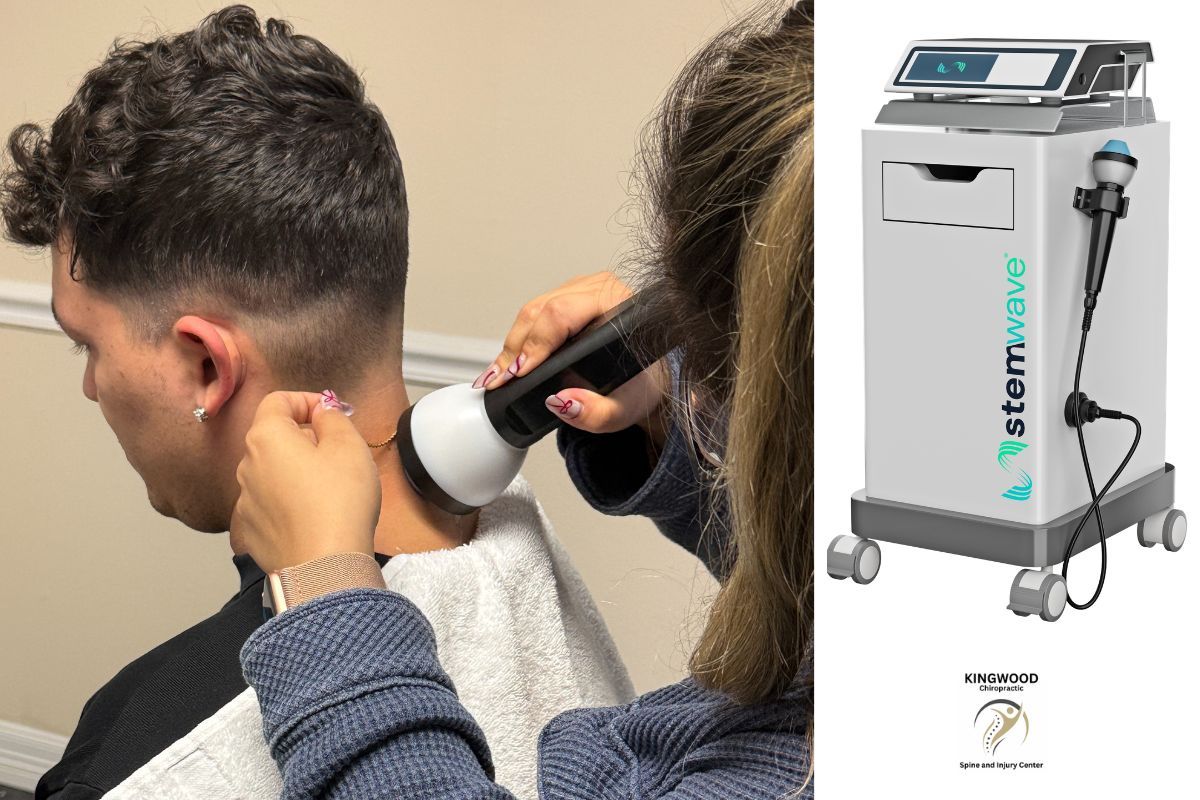
Choose experts with lots of experience and the best technology, the top 2 companies treating extremity injuries, tendinitis, osteoarthritis and inflammation are StemWave and Softwave. Make sure they have top-notch shockwave machines and follow safety rules.
Preparing for Your Shockwave Therapy Session
After picking a provider, get ready for your session. They’ll tell you what to do. Wear comfy clothes and stop anti-inflammatory meds days before. Drink plenty of water to be hydrated for the session. Finding a skilled shockwave therapy professional in the Houston area will help you understand the therapy, meet your expectations and goals and have a great healing journey.
The Shockwave Therapy Experience
Starting shockwave therapy means knowing what happens during treatment and after. This overview will make you feel ready and well-informed.
What to Expect During Treatment
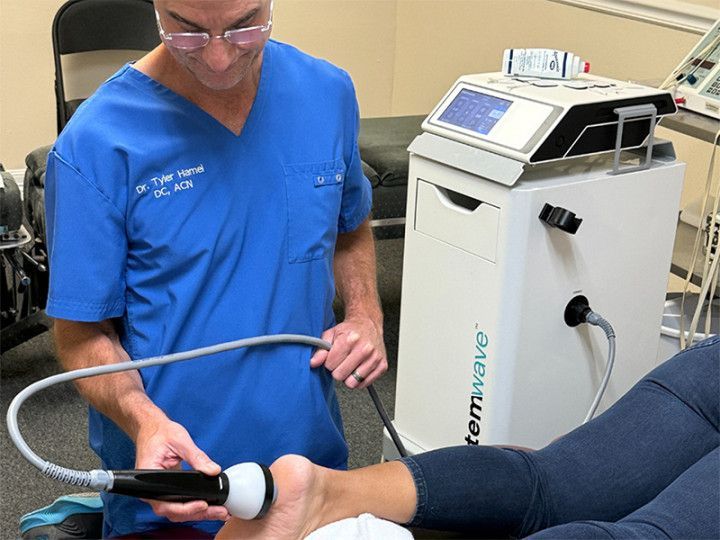
Shocking wave therapy or ESWT sends short, powerful waves to areas that are injured or damaged. The majority of patients seeking out shockwave therapy are doing it because they do not want to get surgery on their shoulders or knees. Knee pain and shoulder pain seem to be the most common area of complaint because of active people over the age of 50 experiencing inflammation, impingement syndrome and arthritis in these joints. Your therapist will use a special tool which helps pass the acoustic soundwave into the injured area, joint, muscle, tendon or ligament. Ultrasound gel is used to help conduct the waves from the wand through the skin. The shockwaves are supposed to slightly agitate the injured area to stimulate healing and repair; it is quite normal to feel some discomfort during the session
A session lasts 5 to 10 minutes. The doctor will make sure you're comfortable. They can adjust the settings to fit what you need. The two setting that can be adjusted on the shockwave machine are the intensity and the number of pulses; this differs for every patient and the severity of the injury they are coming in with.
Aftercare and Recovery
After therapy, you might see some redness or feel a little bit sore. These go away in a day or two. Your doctor will tell you how to take care of the area and what to do next. Shockwave therapy doesn't need surgery or medicine, so you can go back to usual activities soon. It's good to follow what your doctor says about what you can do. This therapy can help you manage pain better and be more active. Knowing what to expect makes it easier and your doctor is ready to help every step of the way. Don't shy away from asking questions or sharing how you feel. The key to shockwave therapy is to let the healing and repair happen, says Dr. Hamel; stay away from activities that really irritate the area otherwise you are working against the therapy.
The Science Behind Shockwave Therapy
Understanding shockwave therapy means looking at its science. It uses strong acoustic waves. These waves boost the body's healing potential by reducing inflammation, increasing circulation and recruiting local stem cells from the area.
Mechanisms of Action
Shockwave therapy creates stress in the tissues with its waves, this is a good stress; and it begins repairing injured tissues and joint surfaces. This starts many body reactions which speeds up healing, reduces swelling, and lessens pain. This natural healing therapy also stops pain signals. It works by calming down the nerves and improving blood flow in the area that is being treated.
Research and Clinical Studies
Doctors have done lots of research on shockwave therapy. They've found it helps with many problems. These include things like chronic plantar fasciitis, tennis elbow, golfer's elbow, rotator cuff tendinitis, Achilles tendinitis, knee osteoarthritis, meniscal injuries, frozen shoulder, carpal tunnel syndrome and more. People have felt so much better after getting this treatment. These days people are looking for something besides surgery and taking medicine; shockwave therapy definitely provides the non-invasive alternative they are looking for.
Shockwave Therapy vs. Traditional Pain Management
You may wonder how shockwave therapy stacks up against mainstream medicine for pain management. We'll look at what makes shockwave therapy great, and see how it measures up with other ways to manage pain.
Advantages of Shockwave Therapy
Shockwave therapy stands out because it's not intrusive, there is nothing surgical involved, no pain shots and no prescription medication. This makes this non-invasive therapy good for folks scared to get surgery, or a cortisone shot or they might be afraid of getting addicted to pain medicine. It also tackles the real problem, not just the signs, the problem with chronic pains are too much inflammation and not enough blood flow. Chronic tendinitis or tissue injuries will not heal if there is too much inflammation around the area. Blood flow can also be a reason for non-healing; some of these areas like the knee meniscus, the carpal tunnel and elbow joints do not get a lot of blood circulation. Keep in mind that pain killers and muscle relaxers give short-term help, but shockwave therapy gets the body to heal itself. So, it helps for a long time and lowers chances of pain coming back. This is what patients want, says Dr. Hamel, they want to be active, do the things, activities and hobbies they love doing without pain; and without the pain coming back.
Comparing Treatment Options
Now, usual mainstream medicine pain care involves drugs like anti-inflammatory or opioids. These help for a bit but have many bad effects. Shockwave therapy doesn't use drugs. So, it avoids these issues; you can't get addicted to shockwave therapy and there are no severe side effects like some of these strong prescription pain medicines. Other options are things like physical therapy, chiropractic, acupuncture, PRP injections, and surgeries. They can work but take a lot of time and effort. Shockwave therapy is fast and easy, It doesn't need you to take days off for recovery after. Looking at shockwave therapy's unique wins can help you pick the best therapy for your injuries. If you have a chronic injury or pain, that just isn't healing no matter what you have tried, it's worth checking out this therapy. It might just be the smart, get you back to doing what you love, non-invasive therapy you have been missing out on.

Conclusion
Shockwave therapy is a big step in controlling pain. It changes how we deal with many medical issues, tendinitis, inflammation and injuries. These include musculoskeletal conditions, whiplash injuries, extremity injuries and chronic pain. The idea behind shockwave therapy is amazing, It helps our body heal itself. This means the pain relief can last a long time, patients are seeing tremendous results and outcomes for knee pain, shoulder pain, plantar fasciitis and many other conditions.
If someone you know deals with pain, check out shockwave therapy near me. Find good shockwave clinics and shockwave doctors and practitioners. They can offer care that fits your targets and goals; what do you want to be able to do pain free; is tennis, pickleball, travel, cross-fit, golf, walk your dog, play ball with your kids, garden or go hiking; shockwave therapy is one of those modalities that can help you get there. It's a big step towards living pain-free and it is all natural, no medicine or surgeries.
FAQ
What is shockwave therapy?
Shockwave therapy is a pain treatment without medicine or surgery. It uses strong sound waves to jumpstart and accelerate healing. This method is new but quickly becoming popular for many conditions such as frozen shoulder, plantar fasciitis, knee tendinitis and more.
How does shockwave therapy work?
Shockwave therapy aims the sound waves at your injured area; it penetrates deep into the joint and surrounding tissues to promote repair. This action makes your body start healing itself. It does this by improving blood flow, reducing swelling, decreasing inflammation, and helps new tissues grow.
What are the benefits of shockwave therapy?
It helps lower pain and makes you move better. Healing happens faster, with less risk of bad effects. This makes it a good choice for chronic pain, injuries and muscle problems. Most patients come in to see us, says Dr. Hamel, because they are no longer able to do the things they love without pain, these include work, golf, care for their spouse, vacation, garden, clean their house, play with their grandkids or go to the gym. People who are in pain, who cannot do what they love to do on a daily basis or unhappy and miserable; that is what chronic pain will do to you. The job of your shockwave therapy provider is to take you from being miserable and in pain and moving you to your goal of pain free travel, walking your dog, landscaping the backyard, playing baseball with your son, competing in your next 1/2 marathon, playing in your weekly pickleball league and much more.
What conditions can be treated with shockwave therapy?
It can help with many muscle and pain issues. The most common conditions that people are going to see shockwave therapy doctor for are Plantar fasciitis, tennis elbow, frozen shoulder, bone on bone knee pain, knee osteoarthritis and lower back pain.
How do I find a reputable shockwave therapy provider near me?
To find someone good at shockwave therapy, look for experts in your area. They should have good reviews and use the newest tech like the StemWave shockwave therapy machine. Check their background, their website and what patients are saying on their google reviews.
What can I expect during a shockwave therapy session?
You'll relax while the therapist uses a device on you. It sends waves to your injured area to stimulate healing. It's mostly pain-free but may feel a little weird. You'll be asked to take it easy after the session and then follow through with your treatment protocol to get you active, and doing the things you love to do with little to no pain.
What research and studies support the effectiveness of shockwave therapy?
Lots of studies show how well shockwave therapy works. The research says it can cut pain, help you move better, and heal faster. Even after one session, patients are reporting feeling a 5-15% improvement in their symptoms. People often feel better with this method than with older ways of treating pain like releasing muscles and realigning joints
How does shockwave therapy compare to other pain management options?
Shockwave therapy is better in many ways. It's quicker to recover, has fewer bad side effects, and gets to the heart of the problem. This means you might not need surgery or long-term medicines. It's a great choice for those looking for gentle treatments and something that is not going to put them on the side lines for 8 weeks.