Shockwave Therapy For Chronic Knee Pain: How It Works

Knee pain can really slow you down, making everyday tasks hard. If you're dealing with pain from an injury or chronic conditions like arthritis, finding a good treatment is key. Shockwave therapy is a new, non-surgical way to help with knee pain.
This therapy uses high-energy waves to help stimulate a healing reaction in the body to decrease inflammation and improve circulation, oxygen and stem cells to come into the injured area. It's shown to lessen knee pain, improve mobility, and tackle many issues that cause ongoing pain.
If you are struggling with chronic knee pain that just won't go away? Maybe your pain is so severe that you can't walk upstairs, can't take your dog for a walk, can't play pickleball, golf or go to the gym. Not being able to do the things you love to do because of knee pain wears on you both physically and mentally. Luckily there is hope, discover how shockwave therapy for knee pain , a groundbreaking treatment, can provide the relief you've been searching for. Learn how this non-invasive technique works to heal your knee pain from the inside out, and why it's becoming the go-to solution for severe knee issues like tendonitis, osteoarthritis and bone on bone knee pain. Dive into our detailed guide and take the first step towards a pain-free life.
Shockwaves target the injured or damaged area to create new blood vessels, regenerate tissues and improve circulation. They also trigger growth factors and recruit local stem cells that help repair tissue and grow new cells. This can make your joint healthier, lower inflammation and decrease swelling.
Shockwave therapy also changes how nerves in the knee work, reducing pain by stopping pain signals from reaching the brain. The acoustic soundwaves make tendon and ligament tissue stronger, making your joint more stable and less likely to get hurt again. This is becoming the go to modality for knee pain relief by orthopedic doctors, physical therapists, chiropractors and sports medicine doctors. This treatment is non-invasive, there is no surgery or medicine involved; it only stimulates your body's natural ability to heal and repair.
Key Takeaways
- Shockwave therapy helps your body heal naturally to lessen knee pain and improve movement.
- It can create new blood vessels, release growth factors, and change nerve activity for pain relief.
- This method boosts collagen production, making your joint more stable and lowering injury risk.
- Shockwave therapy is a great choice for treating various knee issues, including arthritis, meniscus tears and chronic tendinitis.
- It's a safe and effective way to manage knee pain without surgery, pain medicine or muscle relaxers which significantly reduces side effects.
Understanding Chronic Knee Pain
Knee pain is a common issue that can really affect your life. It can come from injuries or just general wear and tear over time. Knowing what causes your knee pain is key to finding the right treatment.
Common Causes of Knee Pain
Here are some main reasons for knee pain:
- Arthritis: Osteoarthritis and rheumatoid arthritis cause inflammation, pain, and stiffness in the joints.
- Knee Injuries: Injuries like sprains, strains, meniscal tears, and fractures can cause sudden pain. This can happen in sports, work injuries or a person might step off a curb wrong or have a fall at home.
- Tendinitis: Using the tendons around the knee too much can lead to inflammation and pain. We see this in patients who are active, long-term wear and tear from tennis, golf, pickleball, hiking, cross-fit or runners.
- Bursitis: Swelling of the fluid-filled sacs around the knee can make it hurt. This is usually caused by a tracking problem; certain muscle surrounding the knee joint are either too active or too weak.
- Chondromalacia Patella: This is when the cartilage under the kneecap gets soft or breaks down. This also is usually caused by a knee tracking problem; this causes extra stress on the knee joint and knee cap; causing injury to the cartilage.
- Meniscal Tears: Tears in the cartilage can cause pain, swelling, and make moving harder. The meniscus acts as a shock absorber; it can break down over time through repetitive movements in sports or other activities that stress the knee.
Arthritis and Joint Conditions
Osteoarthritis and rheumatoid arthritis are two main types of arthritis that can hit the knee. Osteoarthritis comes from the joint wearing out, while rheumatoid arthritis is an autoimmune condition that causes ongoing inflammation. Both can lead to pain, stiffness, and less movement.
| Condition | Symptoms | Causes |
|---|---|---|
| Osteoarthritis | Pain, stiffness, and limited mobility | Wear and tear on the joint over time |
| Rheumatoid Arthritis | Pain, swelling, and joint damage | Autoimmune disorder that causes chronic inflammation |
"Shockwave therapy has shown positive results for 'seniors' with moderate to severe knee arthritis, stimulating angiogenesis to promote healing."
Benefits of Shockwave Therapy for Knee Pain
Shockwave therapy is a new way to treat chronic knee pain. It's non-invasive and works well when combined with physical therapy or chiropractic care. High-energy waves help heal the injured tissues, cartilage, collagen and joint damage by easing pain, reducing inflammation, and improving mobility.
Pain Relief
Shockwave therapy helps with knee pain by giving lasting relief. The high-energy waves make the body release pain fighters and cut down on inflammation. This means less pain and more comfort for daily activities.
Improved Functionality
This therapy also makes knees work better. It helps with moving, bending, twisting and turning. By making more collagen and healing tissues, it improves joint stability and health. This leads to a better life for those with knee pain. Most patients who are seeking out extra corporeal shockwave therapy, (ESWT), don't want just pain relief; they want to be active, do the things they love to do, without worry about pain. This might be playing with their grand kids, traveling, hiking, throwing the ball with their kids, golfing 3X per week, playing in a pickleball tournament or training for the next 1/2 marathon.
| Shockwave Therapy Benefits | Outcomes |
|---|---|
| Pain Relief | Significant reduction in knee pain and discomfort |
| Improved Functionality | Increased joint mobility, range of motion, and overall joint health |
| Reduced Inflammation | Decreased swelling and inflammation in the knee joint |
| Increased Collagen Production | Enhanced cartilage repair and joint regeneration |
Shockwave therapy tackles knee pain at its source, helping the body heal naturally. It's safe and effective for those looking for non-surgical relief. This treatment does more than just ease pain; it can also make joints more mobile and improve life quality for those with knee issues.
"Shockwave therapy has been a game-changer for my knee pain. After just a few treatments, I experienced significant relief and was able to return to my active lifestyle with greater ease and comfort."
How Shockwave Therapy Works
Shockwave therapy is a non-invasive treatment that uses high-energy acoustic waves to help stimulate your body to heal naturally. These waves, or shock waves, are high-pressure so they penetrate deep into the injured area. They are aimed right at your knee, specific tissues and cartilage to boost blood flow, help tissue grow back, and start your body's healing process.
This therapy gets healing cells working and starts a process called mechanotransduction. This reduces pain, lowers inflammation, and makes your knee healthier and move better. The shock waves make cells change in a way that helps healing and fixing damaged tissues, muscle or cartilage.
Shockwave therapy also helps with different knee problems, like Patellar Femoral joint dysfunction, jumpers’ knee, insertional tendinopathies, and Tendonitis. It can also help with knee joint deterioration from Osteoarthritis and degenerative soft tissue injuries in the knee.
| Key Mechanisms of Shockwave Therapy | Benefits for Knee Pain |
|---|---|
|
|
These acoustic sound waves in shockwave therapy can really help with knee pain in a short period of time; often times just taking only a few sessions to feel noticeable relief. They tackle the root causes of pain, helping you recover and get back to your active life.
"Shockwave therapy has been a game-changer for many of my patients suffering from chronic knee pain. It's a safe, non-invasive treatment that taps into the body's natural healing processes to provide lasting relief." - Dr. Sarah Nguyen, Orthopedic Specialist
Shockwave Therapy For Knee Pain
There are different types of shockwave therapy for knee pain , each with its own benefits. Let's look at the main types and how they can help with knee pain.
Radial Shockwave Therapy (RSWT)
Radial shockwave therapy uses a device that sends pressure waves through the skin. This helps start the body's healing process. It's a non-invasive way to reduce pain and help with mobility for knee issues like osteoarthritis and patellar tendinopathy.
Focused Shockwave Therapy (FSWT) or (ESWT)
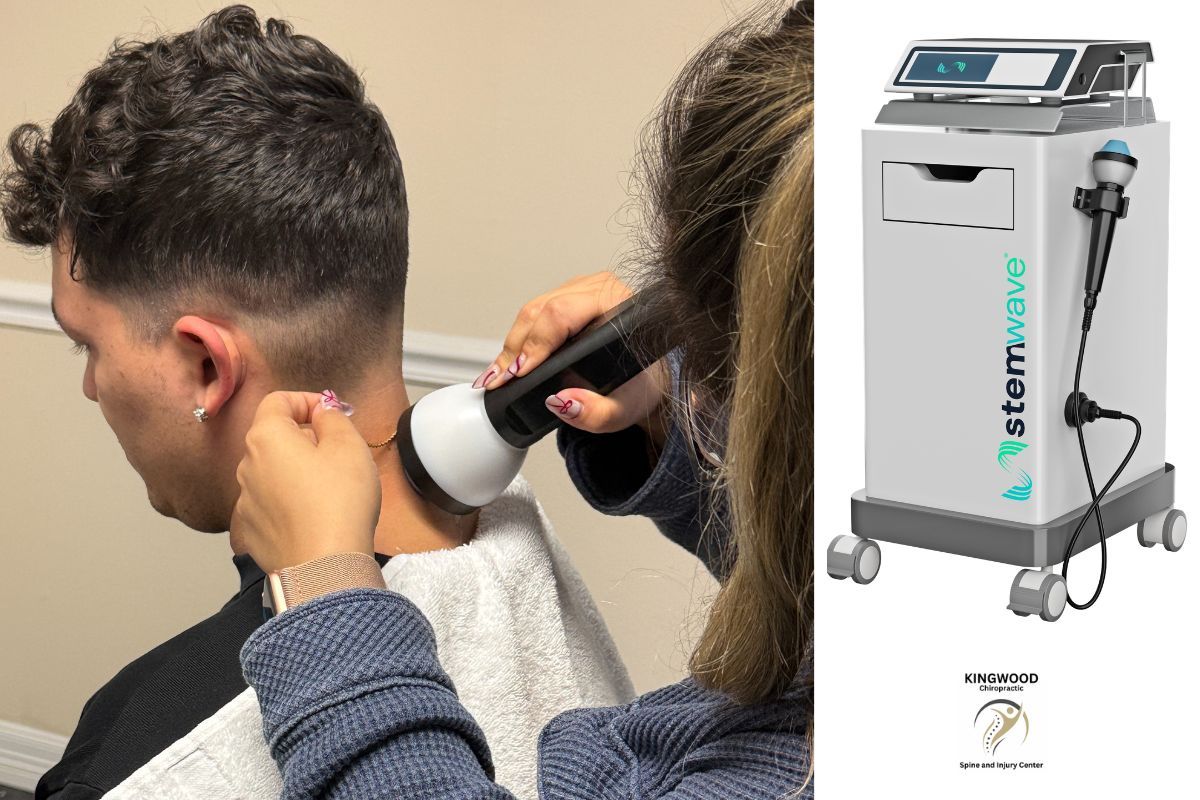
Focused shockwave therapy sends strong shockwaves right to the pain spot. It's great for treating specific knee problems, like sports injuries or joint wear and tear. At Hamel Chiropractic and Wellness, they use the StemWave machine, which is ESWT; this focused shockwave therapy seems to be the best choice for patients with frozen shoulder, knee pain, knee osteoarthritis and bone on bone knee pain.
Acoustic Wave Therapy (AWT)
Acoustic wave therapy uses low-intensity shockwaves to boost blood flow and heal tissue in the knee. It's a gentle way to manage knee pain for some patients.
Unfocused Shockwave Therapy
Unfocused shockwave therapy, like SoftWave, uses high-intensity shockwaves over a larger area. It might need fewer sessions, (8-10), compared to other therapies like physical therapy, chiropractic or ART. The shockwave therapy quickly reduces inflammation which stimulates healing; if physical therapy or chiropractic care is not working it is usually because there is too much inflammation, so the patient cannot get the benefits of the exercises.
Any type of shockwave therapy is a non-invasive way to help with chronic knee pain. Other options for chronic knee pain are physical therapy, acupuncture, chiropractic and as a last resort orthoscopic surgery or knee replacement surgery. Over 90% of patients say they would rather not have to get surgery, as they are worried about the long rehabilitation, being off work or inactive and also becoming dependent on strong pain medicine.
Shockwave Therapy for Knee Injuries and Conditions
Shockwave therapy for knee pain is the top, non-surgical choice for treating knee conditions and injuries. It helps heal tissues and cartilage without needing surgery or medications. This method has shown great success in easing knee osteoarthritis, patellar tendinitis and recovery with post orthoscopic knee surgery and knee replacement surgery.
Knee Osteoarthritis
Studies show shockwave therapy beats traditional treatments like injections, Cortisone shots and hyaluronic acid. It cuts down on pain and boosts function for those with knee osteoarthritis. This therapy kickstarts the body's healing naturally, reducing pain and improving knee mobility.
After Knee Replacement or Orthoscopic Surgery
Adding shockwave therapy to knee replacement or orthoscopic knee rehab improves results. It works well with physiotherapy, chiropractic and corrective exercise therapy, giving patients better pain control and quicker recovery. This helps them move better and be more independent sooner, which every patient is looking forward to.
Shockwave therapy also helps with bursitis, meniscus tears, and tendinopathies. It speeds up healing by bringing in oxygen, blood flow, nitric oxide and stem cells. Its success and few side effects make it a favored option for chronic knee problems.
"Shockwave therapy is an FDA-cleared treatment that uses acoustic energy waves to boost metabolism, enhance circulation, and expedite the body's natural healing process."
| Condition | Success Rate of Shockwave Therapy |
|---|---|
| Knee Osteoarthritis | 80% of patients become pain-free or experience significant improvement |
| Post-Knee Replacement Recovery | Shockwave therapy combined with physiotherapy leads to better pain control and faster functional recovery |
| Knee Bursitis | 80% of patients experience considerable pain reduction and improved mobility |
| Meniscus Tear | Shockwave therapy is as effective as or even more effective than surgery in treating meniscus tears |
| Knee Tendinopathy | Shockwave therapy reduces pain by up to 50% after 6-8 weeks and further improvement is seen after 90 days. |
Treatment Process and Duration
Shockwave therapy for knee pain usually takes 8-10 sessions, and up to 20 sessions, each about 5-10 minutes long. A water-based gel is applied to the area, and a probe sends high-energy waves directly into the injured area, tendons, ligaments, and cartilage. Some patients just coming in with tendinitis can see significant improvement with 8-10 ESWT treatments, others with bone-on-bone knee pain may take up to 20 treatments to get to meet their expectations of therapy and reach their goals.
Some patients may feel a bit of discomfort during the treatment, this is very temporary and gone within a couple of hours max. After the first few treatments, symptoms often lessen. The full effects of the therapy show up in 6-8 weeks, for more severe knee conditions more like 90 days.
It's important to keep up with exercises and work with your healthcare provider for the best results. Studies show that about 91% of patients got better, feeling less pain, moving more easily, and seeing other health improvements.
| Statistic | Value |
|---|---|
| Patient Satisfaction Rate | Roughly 80% |
| Typical Number of Treatments for Pain/Injury | 8-10 treatments |
| Typical Number of Treatments for Rejuvenation | 10-20 treatments |
| Typical Number of Treatments for Erectile Dysfunction | 3-6 treatments |
| FDA Approval for Shockwave Therapy | Pain, stress fractures, cellulite, and erectile dysfunction |
The number of treatments needed varies by the issue and its severity. Some may need up to 20 treatments over the course of 12 months. Shockwave Therapy has been used in Canada since the mid-90s, becoming more popular with low energy SWT. At Hamel Chiropractic and Wellness, they use focused shockwave therapy, (ESWT), for musculoskeletal and extremity injuries like frozen shoulder, knee osteoarthritis and bone on bone knee pain; they do not use this treatment for erectile dysfunction; this is done by a Gainswave provider.
Conclusion
Shockwave therapy is a safe and effective way to treat chronic knee pain without surgery or medicine. It uses high-energy sound waves to help heal injuries naturally. This leads to less pain, less swelling, more collagen production, and better joint function.
This therapy is great for many knee problems like osteoarthritis, recovering after knee surgery, bursitis, meniscus tears, and tendinopathies.
Shockwave therapy for knee pain usually requires 8-10 sessions. It's a good option for those who can't find relief with other treatments such as physical therapy, chiropractic, massage, acupuncture or even orthoscopic surgery. The therapy gives the patient a better chance to be more mobile and active without worrying about chronic pain.
If you're facing the miserable, debilitating effects of knee osteoarthritis or recovering from a knee injury, shockwave therapy could be the answer. Learning about this treatment and its benefits lets you take charge of your knee pain so you can get back to living an active and fulfilling life.
FAQ
What are the common causes of knee pain?
Knee pain can come from many things, like injuries, normal wear and tear or medical conditions. Common causes include arthritis, injuries like sprains or tears, and conditions like tendinitis and bursitis. Chondromalacia patella and meniscal tears are also common with sports injuries and work injuries.
How does shockwave therapy work for treating knee pain?
Shockwave therapy uses high-energy waves to help the body heal naturally. This leads to less pain, less inflammation, and better joint movement. The therapy increases blood flow and starts the healing process in the body. Shockwave therapy for knee pain and osteoarthritis is one of the top choices for non-surgical treatment by orthopedic doctors and chiropractic doctors.
What are the different types of shockwave therapy for knee pain?
There are several shockwave therapies for knee pain. Radial shockwave therapy (RSWT), extra corporeal shockwave therapy (ESWT), and acoustic wave therapy (AWT) are some types. Unfocused shockwave therapy, like SoftWave, uses high-intensity waves to treat a larger area. Gainswave for erectile dysfunction uses different frequencies of soundwaves to improve blood and nerve flow.
What conditions can shockwave therapy treat for the knee?
Shockwave therapy helps with many knee issues, like osteoarthritis, rheumatoid arthritis, baker's cyst, IT band syndrome, patellar tendinitis and knee bursitis. It's also good for meniscus tears, bone on bone knee pain and tendinopathies. Studies show it works better than traditional treatments for knee pain and improves overall mobility.
What is the typical treatment process and duration for shockwave therapy for knee pain?
The treatment for knee pain with shockwave therapy usually takes 8-10sessions, each about 5-10 minutes long. For more severe knee conditions like bone-on-bone knee pain, patients may require 10-20 visits over a 3-month period. An ultra sound gel is applied to the area, and a probe sends the waves deep into the knee joint and surrounding tissues. Patients often feel better after the first few treatments and continue feeling better as treatment goes on and the tissues regenerate.
What else can I do on my own that will help shockwave therapy work better?
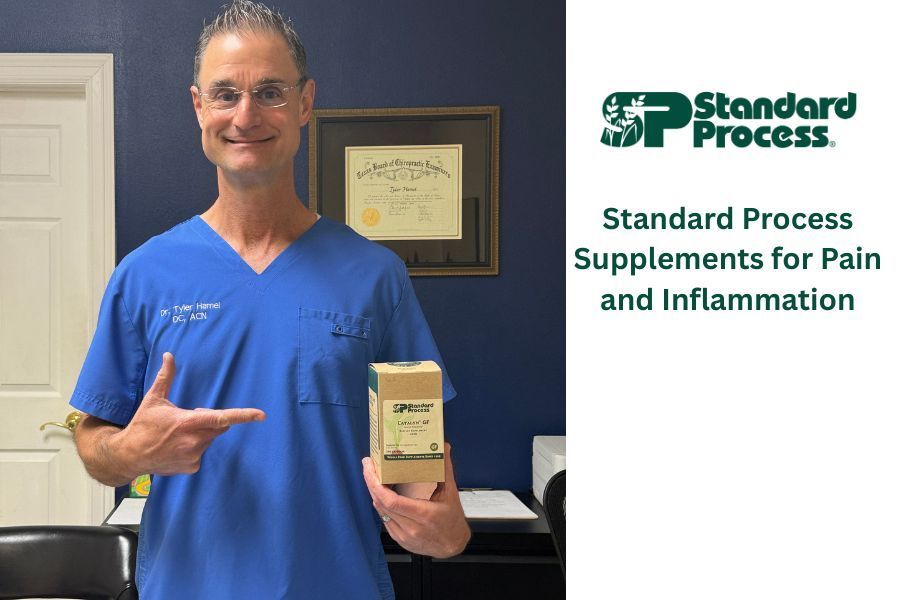
Dr. Hamel of Hamel Chiropractic and Wellness, recommends a few natural things to help assist the shockwave therapy benefits. These are used to help promote healing and repair and give the patient the best chance to fully recover and get back to an active, pain free lifestyle. Dr. Hamel recommends: 1. corrective exercises that cause little to no discomfort, 2. natural supplements such as glucosamine sulphate, fish oil, gotu kola, amino acids, 3. can use a TENS unit or red-light therapy, 4. using ice packs, heat or an Epsom salt baths, 5. make sure not to overdo it with intense exercise or activities.
Source Links
- Shockwave Therapy for Knee Pain: How It Works & What to Expect
- Extracorporeal shockwave therapy for the treatment of knee osteoarthritis: A retrospective study
- SoftWave Therapy for Knee Pain - SoftWave
- Knee Pain Treatment Oakville – Shockwave Therapy – Arthritis
- Shockwave Therapy Benefits for Knee Pain Treatment & Knee Pain Relief
- Shockwave Therapy for Knee Pain
- Non-Operative Knee Pain Treatment: How Shockwave Therapy is Revolutionizing Relief - Central Ohio Spine and Joint
- Knee Pain — Shockwave Therapy
- Shockwave Therapy for Knee Pain and Patellar Tendinopathy - The Foot and Ankle Clinic
- Shockwave Therapy for Jumper's Knee (Patellar Tendinopathy/Tendinitis)
- How Long Does It Take for Shockwave Therapy to Work? - The Guyer Institute of Molecular Medicine
- Shockwave Therapy | Cleveland Clinic Canada
- Stem Wave Therapy for Knees | Softwave
- Effects of extracorporeal shockwave therapy for mild knee osteoarthritis: A pilot study
- The effects of extracorporeal shock wave therapy on the pain and function of patients with degenerative knee arthritis
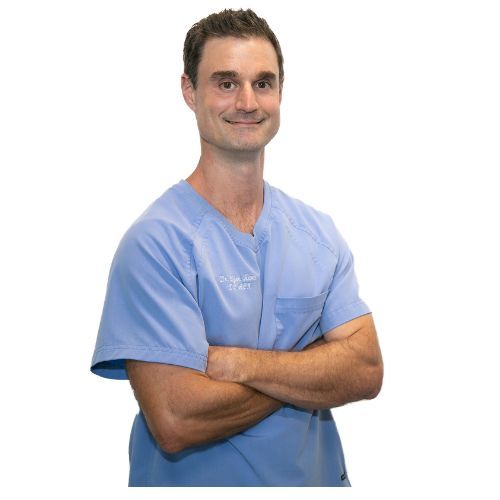
About Dr. Tyler Hamel
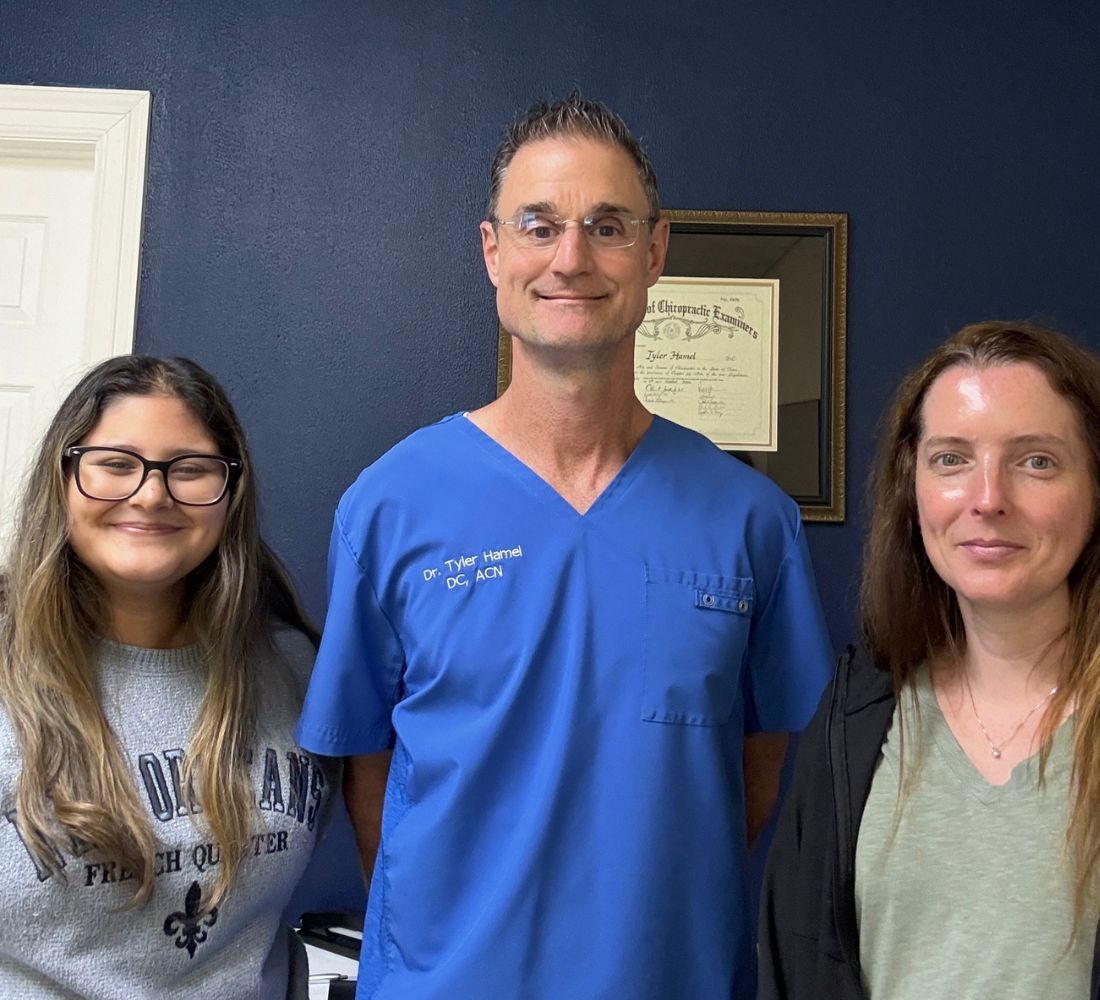
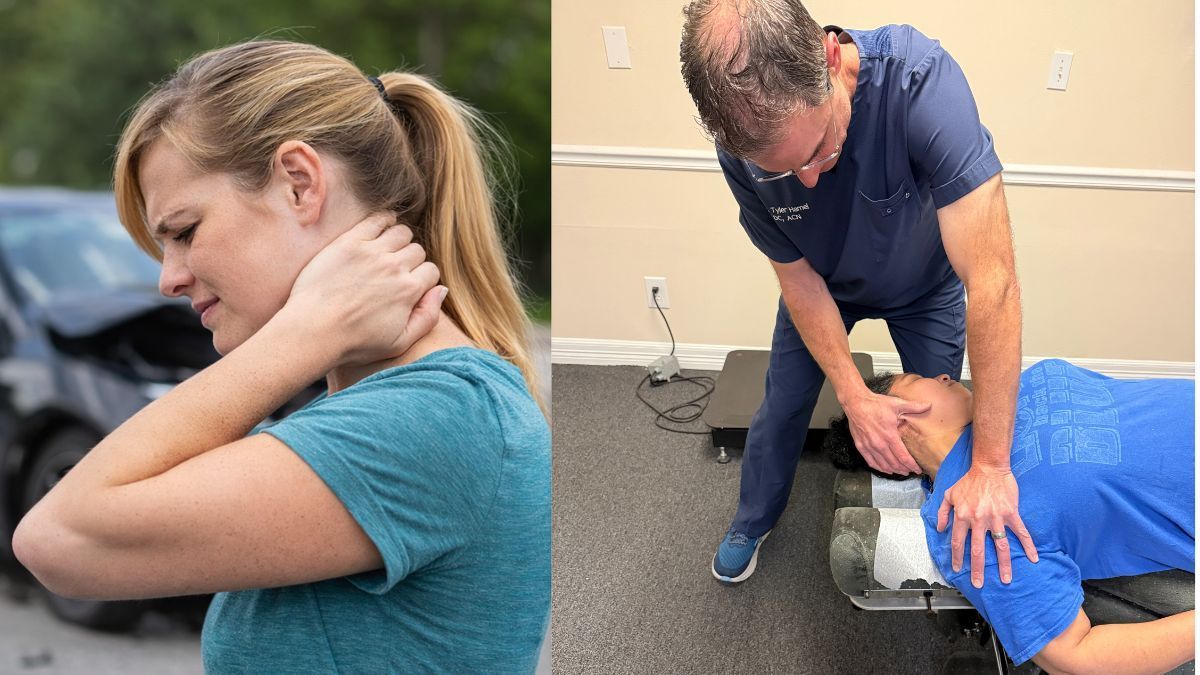
Dr. Tyler Hamel is an experienced chiropractor with over 25 years of clinical practice, specializing in the treatment of neck pain, back pain, and car accident-related injuries, including whiplash. As the owner of Kingwood Chiropractic Spine and Injury Center, he provides comprehensive, conservative care to patients in Kingwood and the northeast Houston area using chiropractic adjustments, corrective exercises, shockwave therapy, and cold laser therapy. Dr. Hamel frequently collaborates with attorneys and other healthcare providers in personal injury cases to ensure coordinated care, proper documentation, and appropriate referrals. A member of the Texas Chiropractic Association, he is committed to ongoing education and advancing clinical excellence while helping patients achieve lasting relief and improved function.
Recent Posts