What Conditions Can Be Treated With Shockwave Therapy
Imagine living without the constant, nagging pain that interrupts your daily life. Whether it's neuropathy in your legs and feet, chronic tendinitis in your shoulder, lingering plantar fasciitis in your foot, or relentless discomfort from sciatica, you’ve likely tried every remedy, only to find temporary relief or no relief at all. But what if there was a non-invasive treatment that could target your pain at its source and accelerate your body’s natural healing process? That’s where shockwave therapy comes in—a groundbreaking solution that's helping people find long-term relief from a range of chronic conditions.
Shockwave therapy harnesses the power of acoustic waves to stimulate blood flow, promote tissue regeneration, enhance nerve healing, and reduce inflammation, making it a powerful tool for treating stubborn injuries and conditions that have resisted other treatments. From joint pain, diabetic neuropathy to sports injuries, this advanced therapy has proven highly effective in reducing pain and improving mobility without the need for surgery or medications. The best part, shockwave therapy works with your body to heal itself, leading to less pain, more mobility and an overall more positive attitude.
If you’ve been suffering from chronic pain and feel like you've exhausted all your options, it’s time to consider the benefits of extracorporeal shockwave therapy, (ESWT). By addressing the root cause of your pain, rather than just masking the symptoms, shockwave therapy could be the game-changer you’ve been looking for. Keep reading to discover how this revolutionary treatment could finally help you break free from the cycle of chronic pain, nerve irritation and stubborn injuries.
Key Takeaways
- Shockwave therapy is non-invasive and can help patients 18 and older avoid repeated steroid injections and other long-term medicines for pain and inflammation.
- Shockwave therapy is effective in treating nonunion fractures by creating small cavities in the bone for healing.
- Shockwave therapy is not approved for patients with tumors, pregnant individuals, or those with tendon rupture.
- Most patients describe shockwave therapy as a little bit uncomfortable but not extremely painful. What patients are feeling is the kick-starting of the healing process.
- Patients may require only 8-10 treatments over 6 to 12 weeks for complete healing with lasting symptom relief, and better mobility.
Understanding Shockwave Therapy
Shockwave therapy, also known as extracorporeal pulse activation technology (EPAT), uses sound waves to stimulate the body's own healing capabilities. It's given by sports medicine doctors, chiropractors, physical therapists or orthopedic doctors. This treatment is a form of regenerative medicine; however, it requires no injections of stem cells, PRP or hyaluronic acid.
What is Shockwave Therapy?
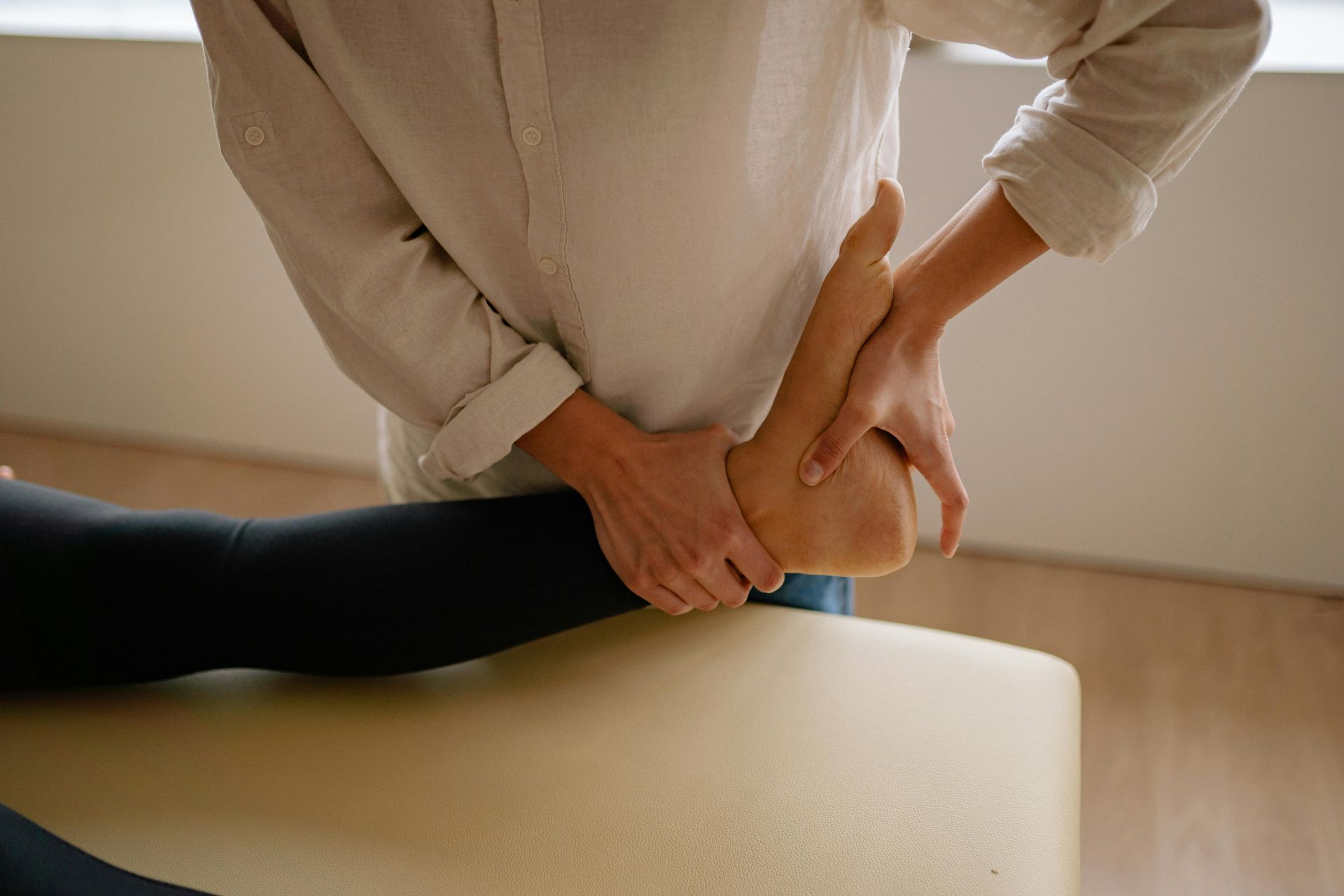
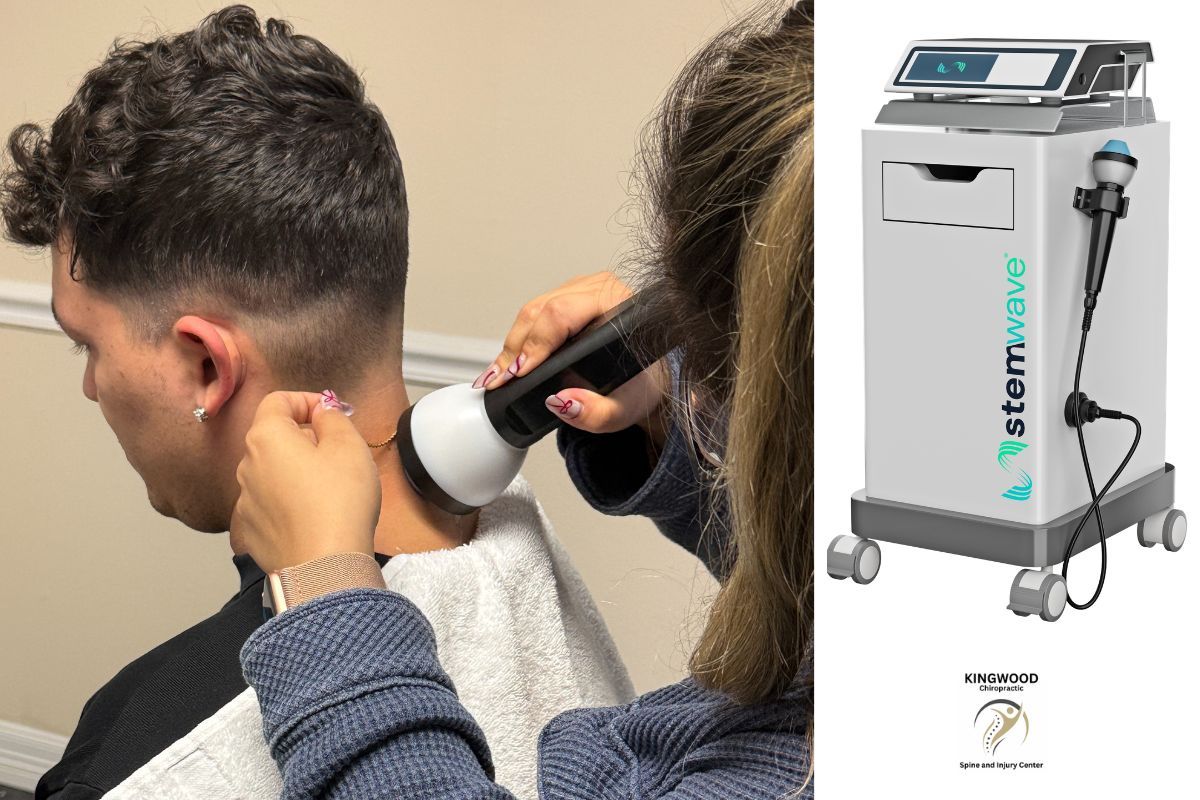
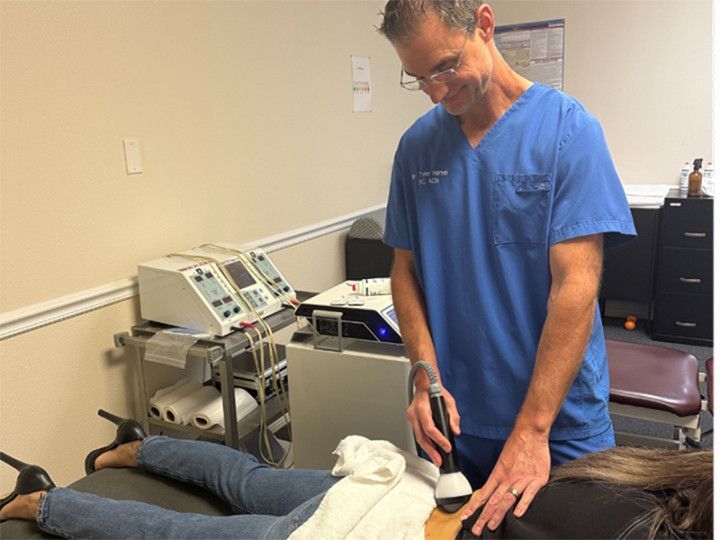
A clinician holds a shockwave device next to your skin. The device sends sound waves through an ultrasound gel and into the injured tissues, or joint. These waves help increase blood flow, oxygen and growth hormones, speeding up healing.
How Does Shockwave Therapy Work?
There are two types of shockwave therapy: focused and radial. Focused sends waves to a small area, while radial covers a wider area. Shockwave therapy has been in Canada since the mid-90s. High-energy waves help heal and break up damaged tissue. Low-energy waves are slower and less intense. ESWT works for 60% to 80% of people and their chronic conditions including plantar fascia, epicondylitis, carpal tunnel, frozen shoulder and knee osteoarthritis. Following the recommended treatment plan by your doctor is key; make sure not to aggravate the area being worked on; so that your body can effectively heal and repair.
"Extracorporeal shockwave therapy (ESWT) was first used in the early 1980s for lithotripsy to eliminate kidney stones. In the 1990s and early 2000s, research showed that ESWT could reduce pain and promote healing in bone, tendon, ligament, and fascia, as well as spasticity in patients with neurological disorders."
Sports Injuries and Conditions Treated with Shockwave Therapy
Shockwave therapy is a top choice for treating sports injuries, neuropathies and musculoskeletal conditions. It's non-invasive and boosts the body's healing potential. This helps athletes and active people recover faster, this is what every patient doing ESWT is looking for.
Foot Pain: Plantar Fasciitis and Achilles Tendinopathy
Shockwave therapy is a big help for foot injuries like plantar fasciitis and Achilles tendinitis. These conditions can be tough to deal with. But shockwave therapy can reduce pain, promote healing, and get athletes back in action sooner.
Knee Pain: Patella Tendinopathy (Jumper's Knee)
Knee issues, like patella tendinopathy (jumper's knee), are hard to treat. Shockwave therapy works by stimulating healing and reducing swelling. This makes it easier for athletes to recover and get active and pain free within a few weeks.
Elbow Pain: Tennis Elbow and Little League Elbow
Elbow problems, such as tennis elbow and Little League elbow, can be treated with shockwave therapy. It helps ease pain, promotes healing, and improves function. This lets athletes regain their strength and performance without surgery.
Shockwave therapy is a game-changer for sports injuries. It's a non-surgical way to speed up healing and get athletes back to their best. By addressing the root cause, it offers lasting relief and helps athletes perform better than ever.
Shockwave Therapy: The Treatment Process
Shockwave therapy is a non-surgical option for many musculoskeletal issues, tendinitis and neuropathies. You might wonder about the process and what to expect. Let's explore the main points of a shockwave therapy treatment.
Is Shockwave Therapy Painful?
Shockwave therapy is usually not very painful, but some discomfort is common. The pain you feel depends on your pain tolerance, the injury, and if tissues are near a bone. Your healthcare provider will use a topical gel to lessen any discomfort during treatment. In areas with damaged tissue, you with feel the pulsating of the sound waves, this is normal and just part of the healing process. In areas of healthy tissue, you will not feel much of anything with the shockwave therapy treatment.
How Long Does Shockwave Therapy Take?
A single treatment of shockwave therapy takes 5-10 minutes. You might need 2-3 sessions per week for about 2 months, depending on your injury. Your healthcare provider will create a treatment plan just for you. With more complicated cases such as neuropathies from diabetes, or bone on bone knee pain, meniscus tears, Achille rupture, or post lumbar back surgery; the patients may need more treatments, anywhere from 20-24 over 4-6 months. Shockwave therapy is FDA-approved for treating lateral tennis elbow and plantar fasciitis. It's a non-surgical option for many musculoskeletal issues. Knowing the treatment process helps you decide if it's right for you.
"Shockwave therapy is a game-changer for patients with chronic musculoskeletal conditions. It offers a safe, non-invasive alternative to traditional treatments, with the potential to provide long-lasting relief."
Benefits and Effectiveness of Shockwave Therapy
Sports medicine experts have seen great healing in patients who get shockwave therapy. Studies keep showing how well this non-invasive treatment works. It's often paired with other treatments like physical therapy, chiropractic care, acupuncture and platelet-rich plasma injections for the best results.
Results might not come right away, but shockwave therapy can get you back to feeling pain free and active again within a few weeks. Some people see big improvements after just one session. It's been proven to cut down pain, boost mobility, and improve life quality for many patients dealing with chronic sports injuries. These include plantar fasciitis, Achilles tendonitis, knee sprains, and tennis elbow.
Shockwave therapy boosts the body's healing by making cells more active and breaking down scar tissues. With its growing use among chiropractors, physical therapist and orthopedic doctors, athletes and active people finally have an alternative option to medicine, pain shots and surgeries.
FAQ
What conditions can be treated with shockwave therapy?
Shockwave therapy helps with many sports injuries. It treats plantar fasciitis, Achilles tendinopathy, and patella tendinopathy. It also helps with tennis elbow and golfer's elbow. It reduces pain and aids in healing of tendons and ligaments. It also helps to stimulate nerve healing in conditions like neuropathies.
What is shockwave therapy?
Shockwave therapy, or ESWT, is a non-invasive treatment. It stimulates the body's healing process by releasing growth factors. It helps with pain relief and healing of damaged soft tissues.
How does shockwave therapy work?
A clinician uses a shockwave device near the skin. The device sends shockwaves through an ultrasound gel, then into the injured tissues. This increases blood flow and growth hormones, promoting new tissue growth. Depending on the severity of the condition, the doctor can use different levels of intensity of the waves penetrating the area.
What sports injuries can be treated with shockwave therapy?
Shockwave therapy treats several sports injuries. It helps with plantar fasciitis, Achilles tendinopathy, and patella tendinopathy. It also treats lateral epicondylitis, rotator cuff syndrome, carpal tunnel syndrome, ankle sprains, frozen shoulder, biceps tendinopathy and bursitis. It's a non-surgical way to promote healing and can be done in a chiropractors office with little to no downtime after the treatment.
Is shockwave therapy painful?
Shockwave therapy is not very painful, but some discomfort is common. The pain level varies based on the person and injury. A topical gel is used to reduce discomfort. When the sound waves penetrate into the injured tissues the patient will feel some discomfort; this is just the increase in blood flow to the area which is stimulating the healing. The treatment itself is not very long and immediately after the treatment the patient often feels improvements in their symptoms, pain and mobility of the area being treated.
How long does shockwave therapy take?
A single treatment takes 5-10 minutes per injured area. If a patient comes in with bilateral plantar fasciitis, sometime they choose to get two sessions. The protocol for most uncomplicated injuries for shockwave therapy is 10 sessions over the course of 6-8 weeks. Some patients heal faster than others and some injuries are a lot worse than others. The body needs a certain amount of time to heal tissues, to produce new collagen so make sure you give your body enough time and rest for that to happen.
How effective is shockwave therapy?
Sports medicine specialists see significant healing in patients. Studies are ongoing to understand its effectiveness. It's often used with other treatments like physical therapy. Results may not be immediate, but it helps patients recover more quickly than other medical procedures. Most patients dealing with chronic inflammation, tendinitis or nerve pain start to see improvements after 3 shockwave therapy sessions; when the patient completes their 10-visit protocol, they are usually 60-80% better.
How does shockwave therapy help with neuropathy pain?
Ultimately shockwave therapy works by awakening dormant cells in tissue or nerves to help stimulate healing and repair. The ESWT helps to boost circulation and reduce inflammation; this process allows tissue, cartilage, collagen and nerves to heal. Often time patients with neuropathy start to experience more sensation and less pain in the area affected.
What else can be used in conjunction with shockwave therapy to help heal injuries?
Other therapies that compliment shockwave therapy are nutritional supplements, chiropractic care, physical therapy, corrective exercises, massage and acupuncture. The PT and corrective exercise recommendations help to improve range of motion and stability in the joints being worked on. Nutritional supplements like Ligaplex 1, Gotu Kola, Glucosamine Synergy, Tuna Omega 3, St John's Wort, B Vitamins and Vitamin D can all support the body healing soft tissues and nerves.
Who is a good candidate for shockwave therapy?
There are two groups of patients that are really good candidates for shockwave therapy? Within these two groups; the patients who commit to the treatments and fully participate are the ones who respond the best. The first group is the uncomplicated conditions; these are patients which chronic pain, inflammation and tendinitis, they do not have any tears, no surgeries and no health conditions that may slow down their recovery. The second group is the complicated conditions; these folks may have already had back surgery, complete tears in the rotator cuff, bone on bone knee pain, and they may have a health condition like diabetes or an auto-immune condition which slows down their healing and recovery. As a chiropractor, I always have hope and faith that I can help a patient, says Dr. Hamel, of Hamel Chiropractic and Wellness. I always recommend shockwave therapy to anyone dealing with pain, tendinitis, herniated discs, frozen shoulder, tennis elbow or plantar fasciitis, no matter how long they have been dealing with it. We have seen frozen shoulder patients improve by 75% in two treatments, knee pain patients that have done every therapy under the sun, (and not feel better), feel improvement after one shockwave therapy session. If you have chronic shoulder, knee, elbow or foot pain and none of the medical treatments have worked, shockwave therapy might be the only thing that helps. There is no surgery or medicine or pain shots says Dr. Hamel, patients do not have to commit that much time; if the shockwave technology is not improving a patient's condition after 3 treatments, it probably is not going to work.
Source Links
- https://utswmed.org/medblog/sports-injuries-shockwave-therapy/
- https://www.childrenshospital.org/treatments/shockwave-therapy
- https://my.clevelandclinic.org/canada/services/shockwave-therapy
- https://www.mayoclinic.org/medical-professionals/physical-medicine-rehabilitation/news/the-evolving-use-of-extracorporeal-shock-wave-therapy-in-managing-musculoskeletal-and-neurological-diagnoses/mac-20527246
- https://avidsportsmed.com/shockwave-therapy-for-sports-injuries/
- https://bendtotalbodychiropractic.com/chiro-blog/from-stress-fractures-to-strains-speeding-up-recovery-with-shockwave-therapy/
- https://www.webmd.com/pain-management/what-is-shockwave-therapy
- https://www.ncbi.nlm.nih.gov/pmc/articles/PMC10648068/
- https://www.ncbi.nlm.nih.gov/pmc/articles/PMC6029898/
- https://www.uchealth.org/today/shockwave-therapy-can-help-those-who-have-chronic-injuries/
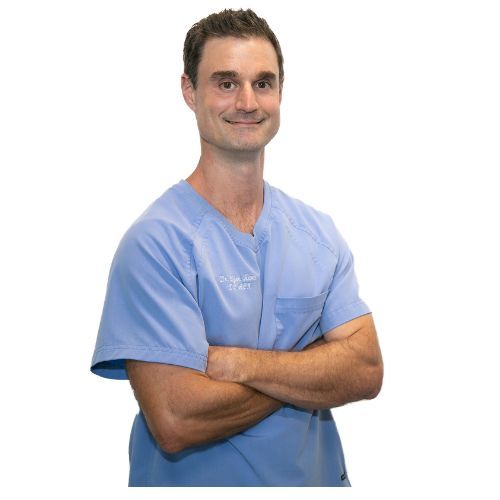
About Dr. Tyler Hamel
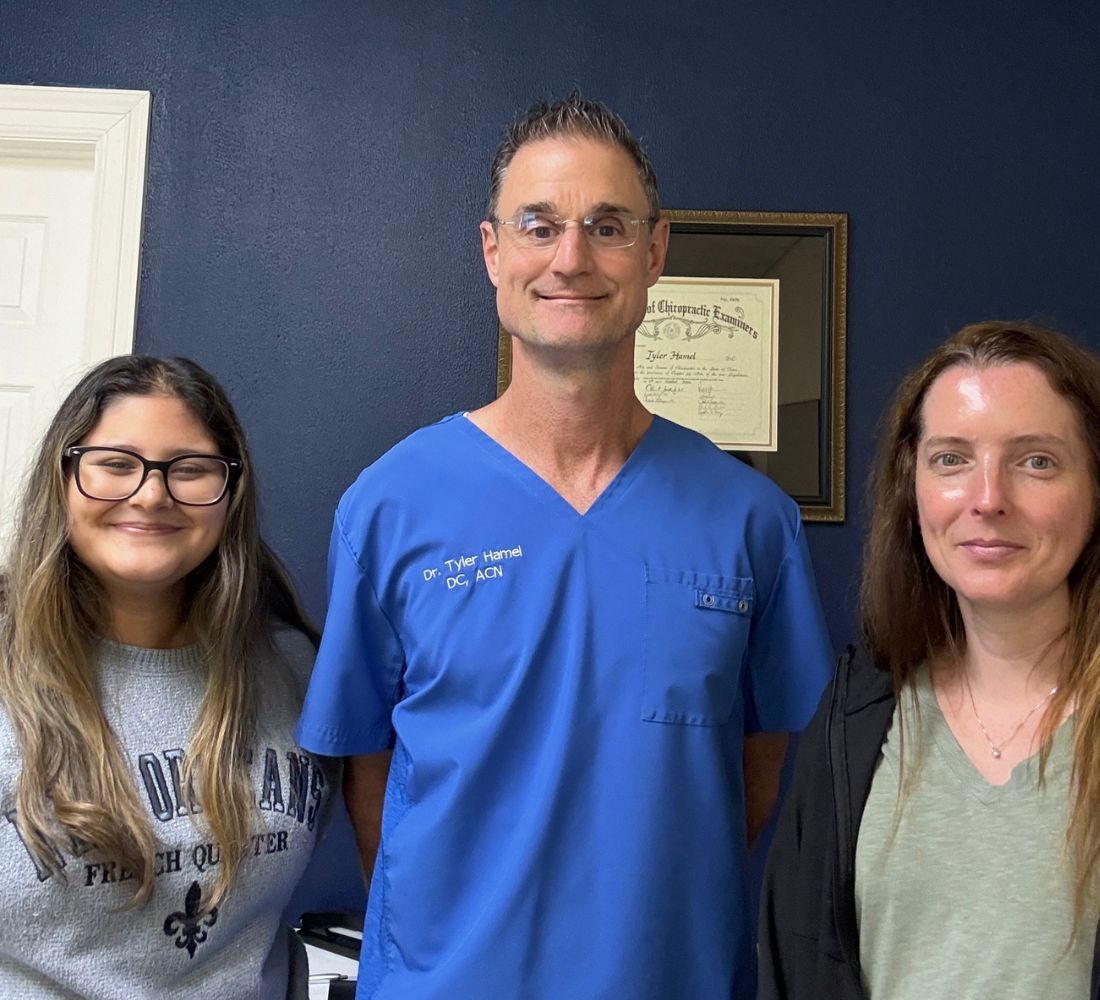
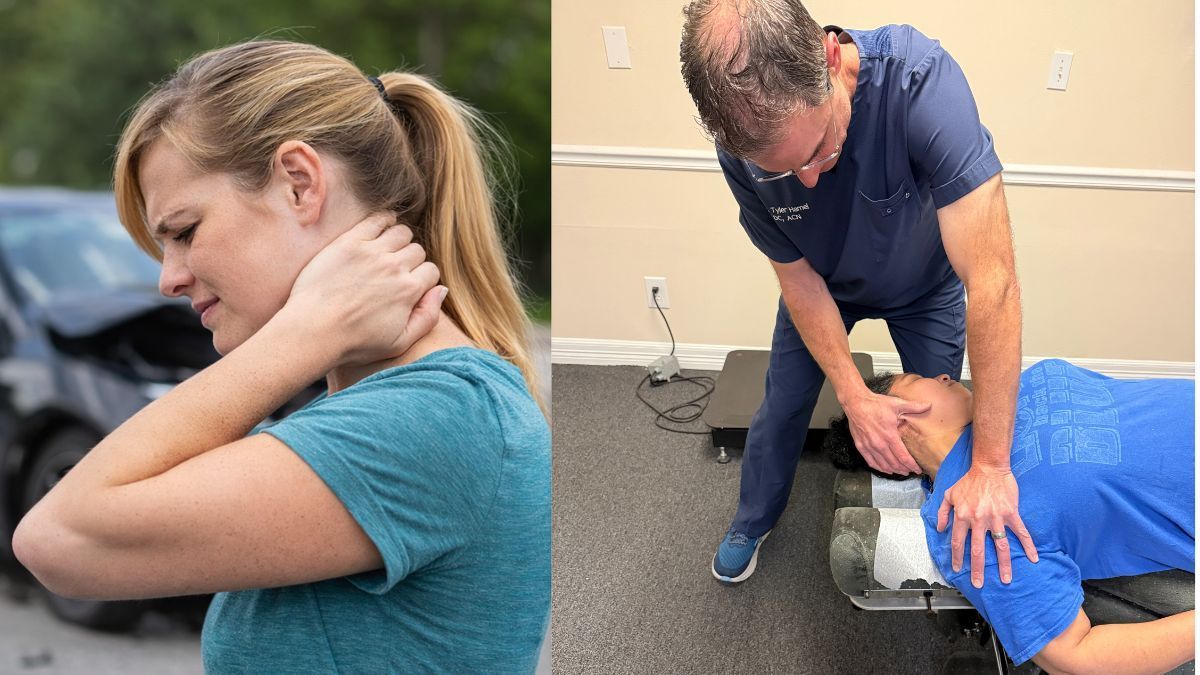
Dr. Tyler Hamel is an experienced chiropractor with over 25 years of clinical practice, specializing in the treatment of neck pain, back pain, and car accident-related injuries, including whiplash. As the owner of Kingwood Chiropractic Spine and Injury Center, he provides comprehensive, conservative care to patients in Kingwood and the northeast Houston area using chiropractic adjustments, corrective exercises, shockwave therapy, and cold laser therapy. Dr. Hamel frequently collaborates with attorneys and other healthcare providers in personal injury cases to ensure coordinated care, proper documentation, and appropriate referrals. A member of the Texas Chiropractic Association, he is committed to ongoing education and advancing clinical excellence while helping patients achieve lasting relief and improved function.
Recent Posts