
Vitamin D is a fat-soluble vitamin crucial for your health. It strengthens your bones, boosts your mood, and helps you sleep well. The National Institutes of Health say about 1 in 4 U.S. adults lack enough vitamin D. This lack has grown over the years.
Symptoms of not having enough vitamin D include feeling tired, sleeping poorly, and having bone pain. You might also feel depressed, lose hair, feel weak, not want to eat, get sick often, and have pale skin. This vitamin is called the "sunshine vitamin" because your body makes it when your skin is in the sun. The tricky part is that your skin absorbs vitamin D from the sun, but it is an inactive form, it has to be converted by your liver to the active form of vitamin D3. You may feel like you are getting enough sun and vitamin D, but your body is not converting it to the active form.
Vitamin D is vital for bone health, hormone production and immune system function. A vitamin D deficiency means your blood levels are below 20 ng/ml. Levels between 21–29 ng/mL are not enough either. Over 90% of American have insufficient levels of vitamin D, meaning below 30 ng/ml, this can lead to a higher incidence of athletic injuries, and skin conditions like psoriasis, eczema and even contribute to autoimmune conditions like RA. For people who exercise a lot and are not getting sufficient nutrients in their diet, vitamin D deficiency can play a role in blood sugar issues like high Ha1C, prediabetes and type 2 diabetes.
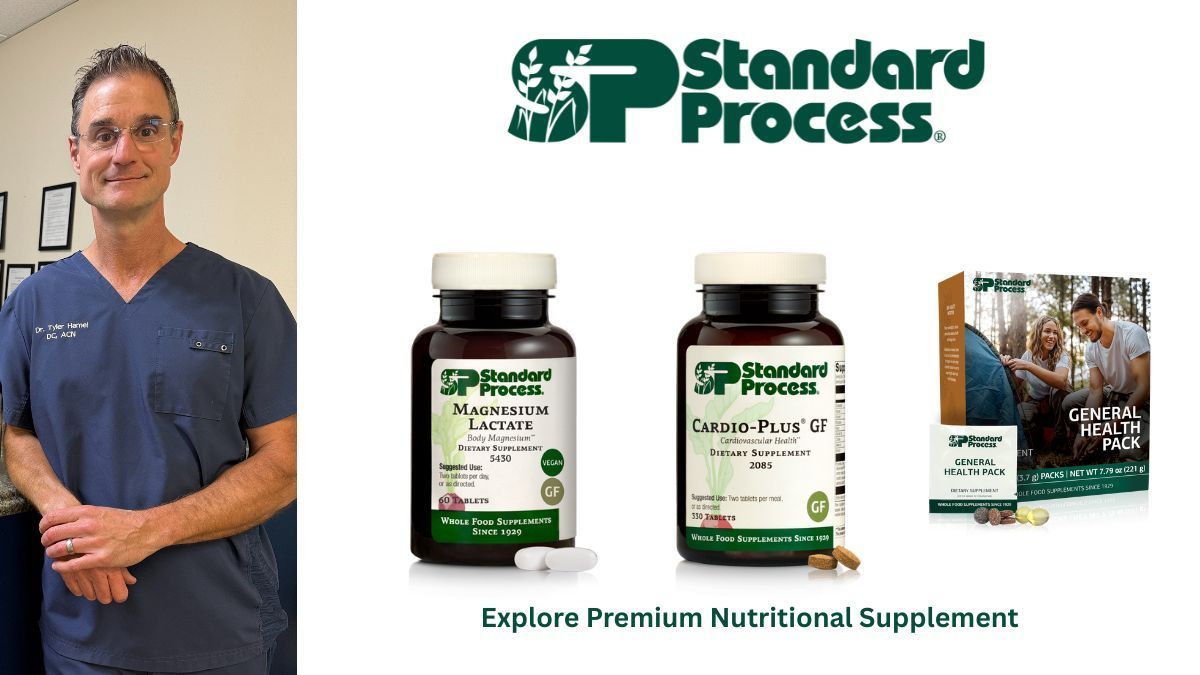
If you feeling constantly tired, moody, or battling aches and pains, it is time to get a vitamin D3 blood test. These hidden signs of a vitamin D deficiency that may be silently impacting your health. Discover how Standard Process supplements
can boost your vitamin D levels and transform your energy, immunity, and well-being—starting today!
Key Takeaways
- Vitamin D deficiency is increasingly common, affecting almost 1 in 4 U.S. adults.
- Symptoms of vitamin D deficiency can include fatigue, poor sleep, bone pain, depression, and frequent illness.
- Vitamin D is essential for bone health, mental well-being, and proper immune function.
- Adequate vitamin D levels are defined as 25-hydroxyvitamin D levels above 30 ng/ml.
- Over 90% of Americans have insufficient levels of vitamin D, below 30 ng/ml
- Sunlight exposure, dietary sources, and supplements can help boost your vitamin D levels. If you are in the sun all the time and still have a vitamin D deficiency on a blood test, most likely there is an issue with your liver converting vitamin D from the sun to the active form of vitamin D3 in your blood.
What is Vitamin D Deficiency?
Vitamin D deficiency is when your body doesn't have enough of this important nutrient. It's key for strong bones, a healthy immune system, and many body processes including hormone production. Sadly, many people worldwide face this issue, with 1 billion people lacking enough vitamin D. Luckily getting enough vitamin D from taking a supplement is very easy and affordable; everyone should take some vitamin D because it is very difficult to get in the diet.
Causes of Vitamin D Deficiency
Several factors can lead to vitamin D deficiency. Not getting enough sun is a big one. Your skin makes vitamin D when it's exposed to the sun's UVB rays. But, people with darker skin, those who stay indoors a lot, and those in places with little sun are more likely to lack vitamin D.
Other common causes include:
- Obesity: Too much body fat can stop vitamin D from being used well.
- Malabsorption disorders: Conditions like celiac disease and inflammatory bowel disease make it hard to get vitamin D from food.
- Certain medications: Some drugs, like anti-seizure medications and weight-loss pills, can affect vitamin D levels.
- Kidney or liver disease: These conditions can change vitamin D into its active form, leading to deficiency.
- Over exercising with lack of a good nutrient rich diet can also contribute to low vitamin D associated with blood sugar issues and high Ha1c.
Research shows vitamin D deficiency is common in some groups. This includes African Americans, the elderly, and those who don't get much sun or have health issues. In the U.S., 90% of adults don't have enough vitamin D, if you are going by blood levels of 30+ ng/ml. This is even truer for some groups, like nursing home residents and hospital patient
"Optimal serum levels of 25-hydroxyvitamin D are still debated. But, the International Society for Clinical Densitometry and the International Osteoporosis Foundation suggest a minimum of 30 ng/ml. This helps prevent falls and fractures in older people."
Signs and Symptoms of vitamin D deficiency
Vitamin D is key for good overall health. Not having enough of it can cause serious signs and symptoms. If you often get sick, have trouble breathing, feel tired, weak, or have pain in your bones or back, you might be lacking in vitamin D. Feeling anxious, depressed, or if wounds take a long time to heal could also mean you're not getting enough vitamin D. Think of your friends, family and coworkers; how many of them complain of feeling tired, have back pain, feeling anxious or depressed; this is a high percentage of the population.
Vitamin D helps fight infections. Not having enough of it can make you more likely to get colds, bronchitis, and pneumonia. Feeling tired and weak is also common because vitamin D is important for energy and muscles. We saw a huge spike in vitamin D sales during Covid-19, some doctors recommended taking 10000 I.U. per day to keep the immune system on high alert.
Low vitamin D levels can hurt your bones, making osteopenia and osteoporosis more likely. You might feel pain in your bones or back, and muscles might feel weak. Studies show links between vitamin D deficiency and feeling anxious or depressed, showing how important it is for your mental health.
Slow healing of wounds is another sign of not enough vitamin D. Vitamin D is key for your immune system and fighting inflammation, which helps wounds heal. If your wounds are healing slowly, checking your vitamin D levels might be a good idea.
"Vitamin D deficiency can have a significant impact on your overall health and well-being. Pay attention to these signs and symptoms, and consider getting your levels checked if you're concerned."
Risks Associated with Vitamin D Deficiency
Vitamin D deficiency is linked to more chronic conditions like osteoporosis, heart disease, type 2 diabetes, autoimmune conditions, multiple sclerosis, and some cancers. This vitamin is vital for your body's health. Not having enough can lead to serious health issues.
Studies show that being vitamin D deficient raises the risk of getting respiratory illnesses. A study with over 11,000 people found that vitamin D supplements cut down respiratory infections by 12%. This shows how important vitamin D is for your immune system and fighting off infections.
Research on kids showed that vitamin D supplements made them 42% less likely to catch the flu. Vitamin D helps boost the immune system. Without enough, you're more likely to get sick. We recommend kids to 2000 I.U. of vitamin D per day to ensure they are getting adequate amounts and boosting their immune system.
Vitamin D also affects brain health. A study found that older adults with low vitamin D levels were twice as likely to get dementia. This highlights how crucial vitamin D is for brain health and thinking skills. The combination of low vitamin D and chronic blood sugar issues can also play a part in Alzheimer’s disease. People with low vitamin D were 70% more likely to get Alzheimer's disease. Those severely deficient were over 120% more likely. Getting a blood test to determine your levels of Vitamin D3 is the best way to know your levels, depending on how low the test shows we recommend taking anywhere from 5000-10000 I.U. per day.
There's also a link between vitamin D deficiency and mental health issues, like schizophrenia. In people with schizophrenia, being vitamin D deficient made them twice as likely to get the condition. This shows how important vitamin D is for mental health.
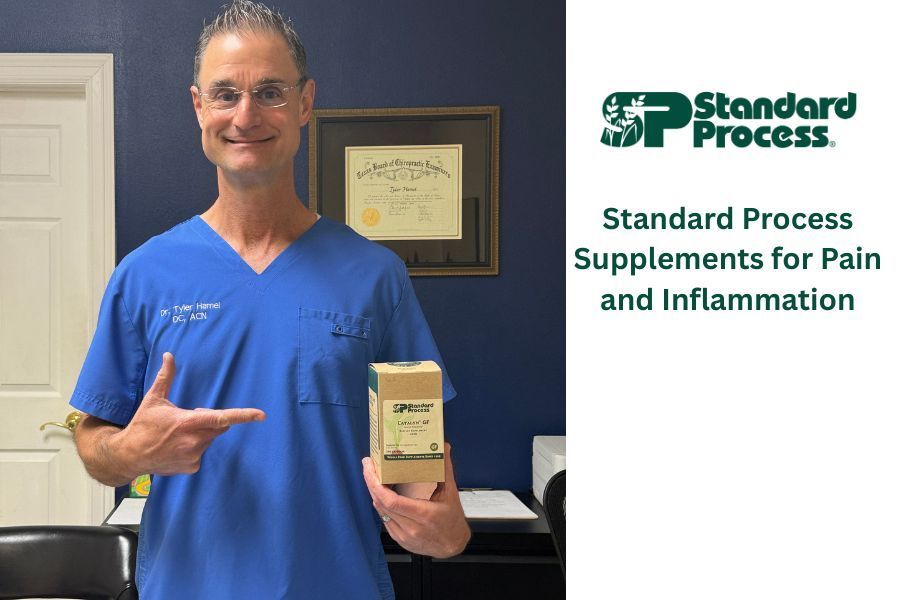
Studies also connect vitamin D deficiency with a higher risk of type 2 diabetes. Low vitamin D levels might lead to insulin resistance, high Ha1c and diabetes. Vitamin D levels can easily be corrected by taking a natural supplement like Standard Process Cataplex D, blood sugar issues need to be addressed through diet.
In short, not having enough vitamin D is linked to many health problems. These include respiratory issues, mental health problems, and chronic diseases like osteoporosis and type 2 diabetes. It's key to keep vitamin D levels right for good health and to prevent diseases.
Boosting Your Vitamin D Levels
Vitamin D is key for good health, but many U.S. adults lack it. Luckily, there are ways to increase your vitamin D levels. This ensures you get enough of this important vitamin.
Sun Exposure
Getting regular sun is the best way to boost your vitamin D. Just 5-20 minutes of sun on your skin a few times a week can do the trick. But darker skin tones need more sun to make enough vitamin D.
Dietary Sources
Eat your way to higher vitamin D levels. Salmon and cod liver oil are top choices, offering lots of IU per serving. Other foods include mushrooms, dairy, eggs, and beef liver. Even plant-based milks and cereals can be fortified with vitamin D. The only natural form of vitamin D is from the sun and in Salmon and Cod Liver oil. Standard Process Cod Liver Oil is a great recommendation, it has a lemony flavor which helps people take it.
Supplements
If sun and diet aren't enough, consider supplements. We recommend that adults take 5000 IU of vitamin D daily, and kids take 2000 IU daily. If you get a very low reading on your blood test, a doctor might suggest a mega dose of 25000 or 50000 IU. Supplements come in D2 and D3 forms, with D3 being better for raising levels.
Use sun, food, and supplements together to keep your vitamin D levels right. This supports your health and well-being. We recommend getting your vitamin D3 levels between 60-80; there has not really been an excessive vitamin D level established. With vitamin D being so important to your health, it is worth optimizing your levels any way you can. One can curb vitamin D deficiency with Standard Process Cataplex D or Cod Liver Oil.
Conclusion
Vitamin D is key for keeping bones strong, boosting the immune system, and lowering the risk of chronic diseases like diabetes and rheumatoid arthritis. Yet, many people in the U.S. lack enough vitamin D. By knowing the signs of deficiency and how to increase your levels, you can protect your health.
Not having enough vitamin D can lead to obesity, diabetes, high blood pressure, depression, osteoporosis, anxiety, and cancer. It's a big problem worldwide, especially in the Middle East, and in the United States, you might live in a sunny area but it does not exclude you from being vitamin D deficient. We need to tackle this with education, health policies, fortified foods, natural supplements like Standard Process Cataplex D and Standard Process Cod Liver Oil.
Putting vitamin D first and taking steps to keep your levels up can prevent its bad effects. Your health is important, so include vitamin D in your life for a better future. You could easily supplement 10000 IU of good quality vitamin D3 for about .75 cents a day. While vitamin D supplementation is important, if you want to get a true nutrition workup and nutrition wellness plan , definitely talk to s Standard Process doctor to get you taken care of.
FAQ
What is vitamin D deficiency?
Vitamin D deficiency means you don't have enough of this important vitamin, you would only know your levels by getting a 25-hydroxy vitamin D (25(OH)D) test, which measures the amount of vitamin D in your blood. Vitamin D is key for strong bones, a healthy immune system, and lowering the risk of chronic diseases. On a blood test, vitamin D deficiency usually means your levels are below 20 ng/ml, if you are this low you would certainly be noticing some of the health issues mentioned in this article.
What causes vitamin D deficiency?
You might be at risk if you don't get enough sunlight, have a condition that makes it hard to absorb it, or eat too little of it. Darker skin, obesity, and certain digestive disorders also increase your risk.
What are the signs and symptoms of vitamin D deficiency?
Signs include often getting sick, chronic fatigue, and having bone and joint pain. You might also feel anxious, depressed, have trouble healing wounds, and lose bone density. Vitamin D helps with calcium absorption and bone health, so low levels can lead to osteopenia and osteoporosis.
What are the risks associated with vitamin D deficiency?
Being deficient in vitamin D can raise your risk for bone loss, depression, type 2 diabetes, heart disease, and multiple sclerosis. It's vital to keep your vitamin D levels in check for your health. There are so many serious health conditions that are caused by chronic low vitamin D levels, it is worth staying on top of this and making sure you get enough.
How can I boost my vitamin D levels?
Getting some sun on your skin is potentially the best way to increase your vitamin D. Spend 5-20 minutes outside daily with your skin exposed. You can also eat foods rich in vitamin D like fatty fish, mushrooms, and dairy products. If you're not getting enough from sun and food, supplements might be needed. Most people struggle to get enough vitamin D in their diet or from the sun; to make sure adults are getting enough they should take 5000 IU per day; kids should take 2000 IU per day.
Why are more and more kids showing up with low vitamin D levels?
Kids these days spend more time on screens than ever before; they are not getting outside to enjoy the benefits of vitamin D from the sun. Everyone needs good levels of vitamin D, kids are developing a lot when they are young, their bones, joints, immune system, brain health and musculoskeletal system need vitamin D. We recommend kids take a good, healthy, vitamin D supplement, take 2000 IU per day and this way parents do not have to worry.
Source Links
- https://pubmed.ncbi.nlm.nih.gov/18400738/
- https://www.mayoclinic.org/healthy-lifestyle/nutrition-and-healthy-eating/expert-answers/vitamin-d-deficiency/faq-20058397
- https://www.uptodate.com/contents/vitamin-d-deficiency-beyond-the-basics
- https://www.ncbi.nlm.nih.gov/books/NBK532266/
- https://medlineplus.gov/vitaminddeficiency.html
- https://my.clevelandclinic.org/health/diseases/15050-vitamin-d-vitamin-d-deficiency
- https://www.webmd.com/diet/vitamin-d-deficiency
- https://www.healthline.com/nutrition/vitamin-d-deficiency-symptoms
- https://www.everydayhealth.com/news/illnesses-linked-vitamin-d-deficiency/
- https://www.health.com/mind-body/vitamin-d-health-risks
- https://www.uptodate.com/contents/vitamin-d-insufficiency-and-deficiency-in-children-and-adolescents
- https://www.nebraskamed.com/primary-care/9-vitamin-d-deficiency-symptoms-and-11-high-vitamin-d-foods
- https://www.healthline.com/nutrition/how-to-increase-vitamin-d
- https://health.unl.edu/9-vitamin-d-deficiency-symptoms-and-10-high-vitamin-d-foods
- https://www.ncbi.nlm.nih.gov/pmc/articles/PMC3068797/
- https://emedicine.medscape.com/article/128762-overview