Top 3 Benefits of Shockwave Therapy for Muscle and Extremity Injuries
Shockwave therapy , or ESWT, is a non-invasive method. It uses sound waves to spark healing in the body. This treatment helps many conditions in the muscles, scar tissue, joints and arthritis. For example, it deals with long-term tendinopathies and issues with healing low back pain, knee pain, shoulder pain, plantar fasciitis and more. The sound waves penetrate deep into the injured area creating a natural healing response. This action can make new tissue grow, bring down swelling, reduce inflammation and ease pain. Many now see this therapy as a better choice than surgery or ongoing steroid shots.
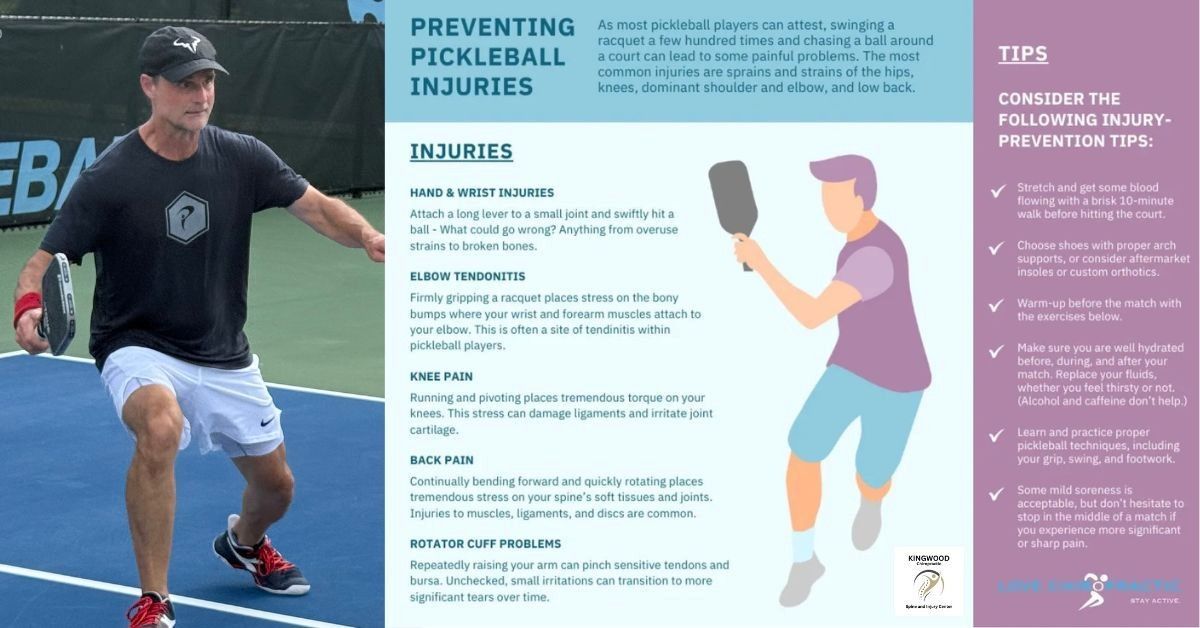
Living with chronic extremity or musculoskeletal pain can feel like a never-ending battle, with each day bringing its own set of challenges and limitations. What if there was a way to break free from this cycle of discomfort and regain control of your life? Enter shockwave therapy—a cutting-edge treatment that's changing the game for pain sufferers everywhere. In this article, we reveal the top three benefits of shockwave therapy and how it offers a non-invasive, effective solution for those struggling with persistent pain. From accelerating healing to reducing pain and improving mobility, discover why shockwave therapy is becoming the go-to choice for many seeking lasting relief. Don't let pain dictate your life any longer—learn how shockwave therapy can help you reclaim your active lifestyle today and get you back on the pickleball court, golf course, the gym, that hiking trail or playing baseball with your kids.
Key Takeaways
- Shockwave therapy is a non-invasive treatment that uses acoustic pressure waves to stimulate the body's natural healing processes.
- It has been widely used to treat a variety of musculoskeletal conditions, including chronic tendinopathies, scar tissue, neuropathies, bone healing issues, and other extremity injuries.
- Shockwave therapy works by applying high-energy sound waves to the affected area, which can promote tissue regeneration, reduce inflammation, and alleviate pain.
- This technology has gained popularity as a viable alternative to more invasive treatments, such as surgery or repeated steroid injections.
- Shockwave therapy has shown a success rate of 65% to 91% in the treatment of musculoskeletal disorders, frozen shoulder, knee osteoarthritis, plantar fasciitis, rotator cuff tendinitis and peripheral neuropathies.
Benefits of Shockwave Therapy for Musculoskeletal Conditions
Shockwave therapy, known as ESWT, is great for many musculoskeletal problems. This treatment uses powerful sound waves to help the body heal naturally. It's a big help for those with chronic pain and injuries dealing with the lumbar spine and cervical spine.
Promotes Healing of Chronic Tendinopathies
Shockwave therapy is very good for healing problems like plantar fasciitis, Achilles tendinopathy, golfer's elbow, and tennis elbow. The sound waves attract more blood flow and cell growth in the soft tissue injured areas. These acoustic waves help reduce swelling, eases pain, and helps movement get better over time. Up to 85% of people see improvements with this therapy for chronic tendon problems like rotator cuff impingement, frozen shoulder, biceps tendinitis, IT band syndrome, carpal tunnel syndrome, and heel pain.
Facilitates Bone Healing
Besides helping soft tissue, shockwave therapy aids in bone healing. It's very helpful for bones that are healing slowly or not at all after a break. The shockwaves make small holes in the bone, starting a healing process. This makes it a good choice for people with difficult bone healing and bone density issues.
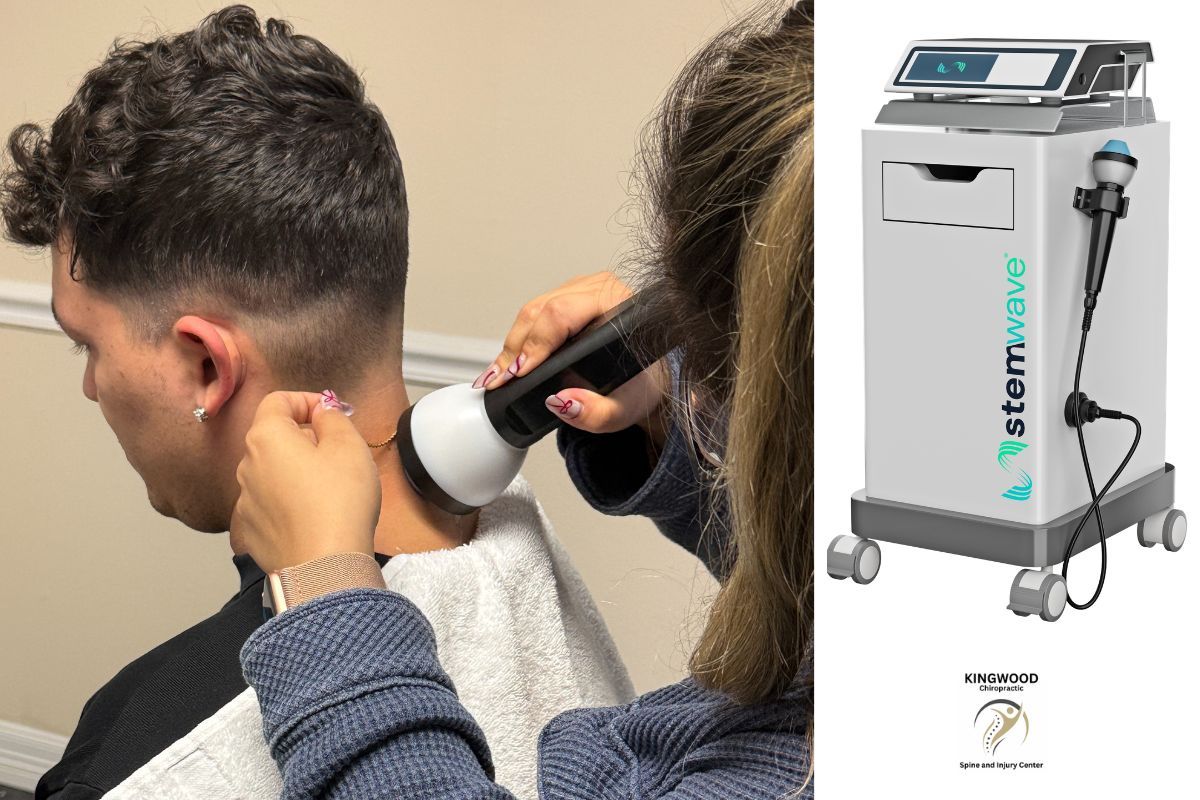
Patients usually need several sessions of shockwave therapy for the best results. Some feel less pain even after the first session, but each treatment builds on the last one. The treatment is done from outside the skin, through ultrasound gel, with a small handheld tool. It's safe and can be used with other therapies like chiropractic care, physical therapy, acupuncture and massage to work even better.
Shockwave therapy shines in treating many musculoskeletal issues. It's chosen by those wanting to avoid surgery for pain relief and better healing. It is the number one choice by shockwave therapy providers offering non-surgical treatments. By increasing blood flow, cutting inflammation, and starting the body’s healing, shockwave therapy is a key part of a full treatment plan. It's great for conditions like chronic tendon issues, scar tissue, ligament injuries, bone healing problems, and more.
Effectiveness of Shockwave Therapy for Specific Conditions
Shockwave therapy is now a top choice for many musculoskeletal problems like SI joint pain, lumbar disc bulges, thoracic muscle spasm and migraine headaches. Conditions like plantar fasciitis, Achilles tendinopathy and calcific tendinitis have seen amazing results as well. This therapy has become a game-changer for these issues.
Plantar Fasciitis
Studies have proven that shockwave therapy works well for plantar fasciitis . In 2013, Dizon
J.N.C. and others looked at many studies and saw that shockwave therapy could help. They found it worked well for chronic plantar fasciitis. In 2015, Konjen N. and coworkers did a study too. They checked shockwave therapy or ultrasound was better. The results favored shockwave therapy.
High-energy shockwave therapy can make a big difference in how much pain you feel when you have plantar fasciitis. It can also help reduce inflammation, which will allow you to walk and run better without feeling that intense heel pain. With shockwave therapy, often, you will feel better, see a change in your pain level and improvements in your range of motion within a few visits. This therapy kickstarts your body's way of fixing itself; it actually stimulates a healing response but aggravating the damaged tissues.
Achilles Tendinopathy
For chronic Achilles tendinopathy, shockwave therapy has shown very positive outcomes. In 2019, Stania M. and coworkers studied this. They found that using shockwave therapy for the Achilles could be very helpful, it helped reduce pain and inflammation so the patients could be much more active without feeling any discomfort.
Research has found that shockwave therapy eases pain and as a result, patients are better able to move their injured ankle, knee or shoulder. If you have chronic Achilles tendinosis; this treatment might be exactly what you are looking for. The treatment boosts your body's healing potential. It gets rid of inflammation and helps new tissue grow at the injury site.
In summary, many studies back up the benefits of using shockwave therapy for plantar fasciitis and Achilles tendinopathy. People often say they feel less pain and move better right after
starting this treatment. It’s a hopeful choice for those dealing with these conditions.
The Shockwave Therapy Procedure
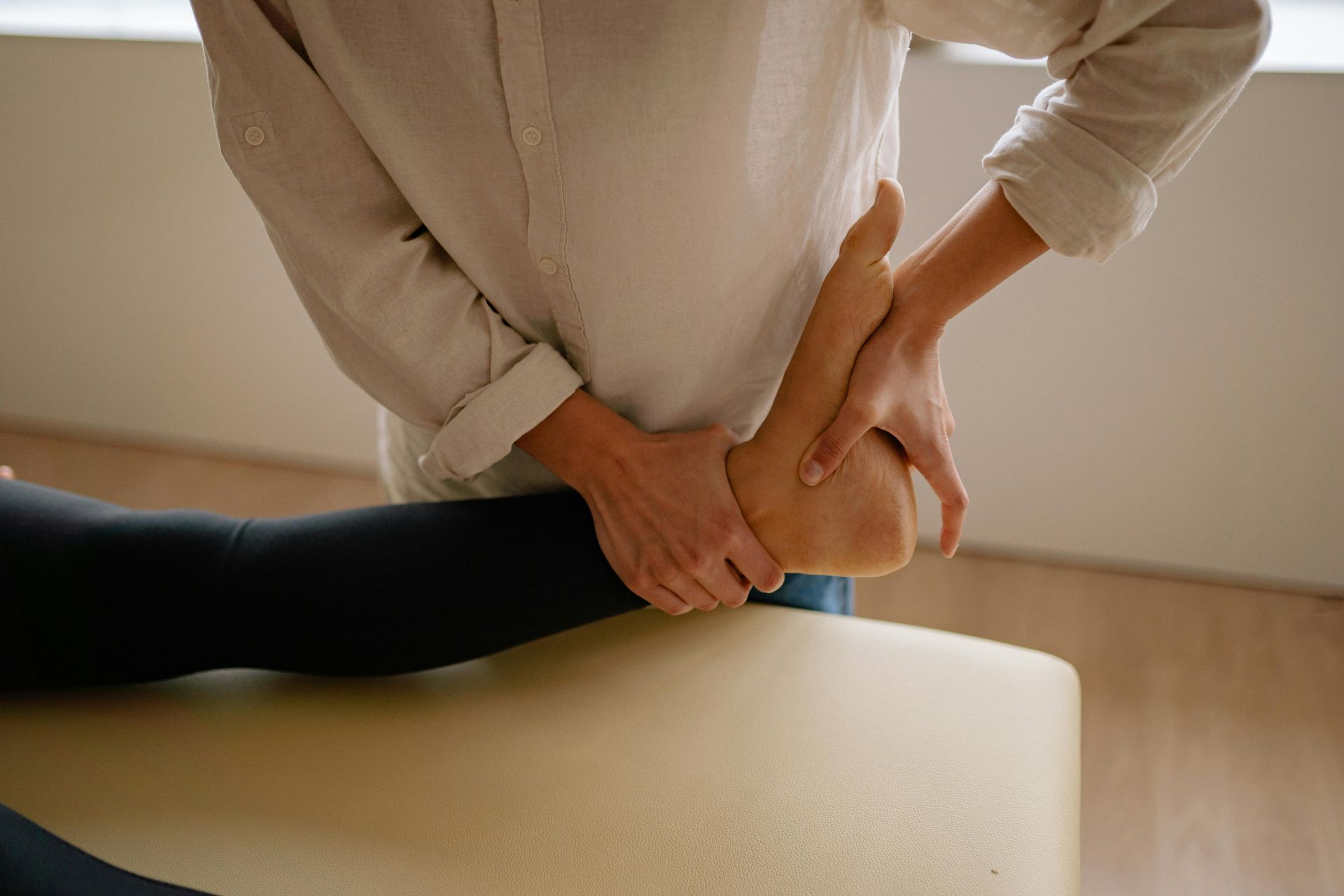
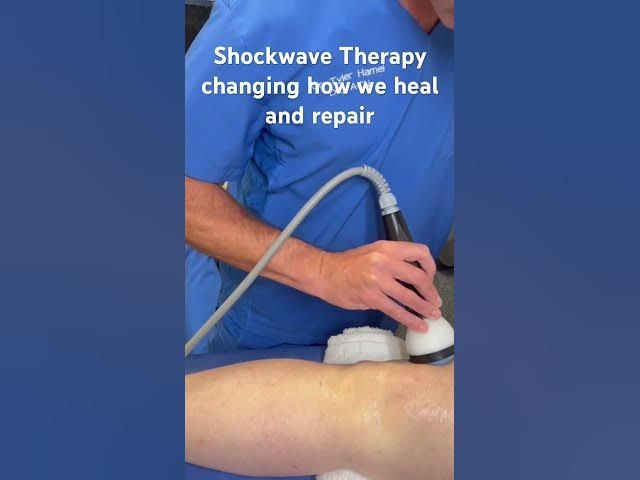
Shockwave therapy, or extracorporeal shock wave therapy (ESWT), is a non-invasive way to treat muscle and bone conditions. To start, a patient lies down and the area to be treated is covered in gel. High-energy sound waves are then delivered by a handheld device over the skin.
Treatments are short, usually taking 10 minutes. The sound wave intensity increases gradually until it feels comfortable for the patient. Most people feel only a slight discomfort. Any pain or bruising after can be treated with basic pain meds and usually goes away in a couple of hours.
Several treatments are needed for best results. Usually, 10 sessions over 6 to 8 weeks work well. This gives the body time to heal the targeted area.
Key Steps in the Shockwave Therapy Procedure
- The patient is positioned to allow easy access to the affected area, typically wearing shorts or pants that can be rolled up to work on the knee or foot. For shoulder treatment woman wear a shirt that the sleeves can be rolled up; men can do the same or wear no shirt.
- A water-based ultrasound gel is applied to the skin to help with shockwave transmission.
- The clinician moves a handheld device over the skin, releasing sound waves. The waves penetrate specific areas to creating healing including the knee joint, meniscus, rotator cuff tendons, plantar fascia and carpal tunnel area.
- The intensity of the shockwaves is adjusted to a comfortable level for the patient. The idea intensity for the patient is when they will feel a discomfort level of 5-6/10. The activation of the healing response will give the patient some discomfort; this is totally normal and expected.
- The treatment session typically lasts 10 minutes.
- Multiple sessions (usually 10) are necessary for best results over a 6 to 8-week span.
Post-Procedure Care and Recovery
-
- Light discomfort, soreness, or bruising may happen, but can be eased with simple pain meds and these symptoms go away quickly
- Patients should avoid hard workouts, heavy lifting, and intense exercises for 2 days after.
- Light stretching helps on the day after the shockwave therapy.
- It's best not to run or do anything that irritates the condition while you are going through a shockwave therapy protocol.
- Follow-up visits are important to track progress after the therapy. Often times the shockwave therapy providers will recommends a schedule of 2X per week for 3 weeks and then 1 X per week for 4 weeks to help accelerate healing and get the patient active again.
Overall, shockwave therapy is a well-accepted way to treat many muscle, tendon, ligament and soft tissues. It works well for problems like plantar fasciitis, Achilles tendinopathy, and lateral epicondylitis. Knowing the main steps and care after can help patients prepare and get through their treatment well.
Your table looks good 👍 — the only issue is this line: width: 100; It should be either 100% or a fixed width like 1000px. Here is the corrected and slightly improved version (clean, evenly spaced, and fully responsive):| Typical Shockwave Therapy Session Duration | Number of Sessions Typically Required | Recommended Post-Procedure Activities |
| 10 minutes | 10 sessions over 6 to 8 weeks |
|
Advantages of Shockwave Therapy
Shockwave therapy, or extracorporeal shockwave therapy (ESWT), is great for those with muscle and tendon injuries like rotator cuff syndrome, patellar tendinitis, medial epicondylitis, carpal tunnel syndrome or jumper's knee. It's non-invasive and doesn't use any type of medication. This makes it a good choice over surgery or needing strong pain relievers, muscle relaxers or steroid shots.
This therapy works well for issues that don't get better with standard treatments. For example, it can help with tennis elbow, scar tissue, low back pain, hip pain, calf strains and biceps tendinitis. The sound waves help the body create a healing response; this gets rid of the pain many times there is less of a need for a patient to get surgery.
Shockwave therapy is very flexible depending on a patient’s injury or condition. Doctors can adjust the intensive of the shockwaves depending on whether they are working right over a joint, tendon or muscle. This therapy is turning out to be the go-to noninvasive musculoskeletal and extremity injury treatment.
Patient-wise, few report bad side effects from this therapy. It's safer than surgery or lots of steroid shots. Some people may feel a little pain during the treatment, but it goes away fast.
In the end, the advantages of shockwave therapy are hard to ignore. It's non-invasive and helps the body heal. This can speed up recovery and reduce pain without resorting to surgery. Shockwave therapy uses healing sound waves, unless you have certain reasons that you cannot do shockwave therapy like cancer, a tumor in the area, or a bleeding disorder, this therapy cannot make your condition worse.
"Shockwave therapy offers a non-surgical alternative for musculoskeletal conditions that may not respond well to other conservative treatments." - Dr. Hamel, Chiropractor
Unfortunately, not all insurance covers shockwave therapy. However, it can be a good choice because it's not too expensive and helps you get better soon. The usual cost for 10 sessions is usually between $999-$1500. Compared to the cost of surgery, multiple Cortisone shots or even PRP and Stem cell injections; ESWT is very affordable for the results it is getting.
To sum up, the benefits of shockwave therapy are clear. It's safe, doesn't use drugs, and can be personalized for each person's needs. Knowing about its advantages can help people choose the right treatment for their injuries.
Contraindications and Precautions
Shockwave therapy is great for many issues including muscle strains, sprains, scar tissue and damaged soft tissues. But, it's crucial to know who can and can't have it. Doctors look at a few things to keep patients safe, and if you are thinking about getting shockwave therapy definitely let your doctor know if you have any of these health concerns.
Those new patients who should get shockwave therapy are pregnant women, those with tumors, bleeding disorders, taking Cortisone shots within the last 30 days and other with chronic immune issues. This also goes for folks with some heart issues and those on certain meds or with nerve problems.
| Contraindication |
ESWT |
| Pregnant patients |
NO |
| Patients with blood clotting disorders or thrombosis | NO |
| Patients taking oral anti-coagulants | NO |
| Patients having had a steroid injection within 4 weeks | NO |
| Patients with a pacemaker fitted | NO |
| Patients with tumors at the treatment site | NO |
| Patients with infections or skin abrasions at the treatment site | NO |
| Patients under 18 years old (except in the treatment of Osgood-Schlatter disease) | Kids can receive treatment, but not over growth plates. |
| Not suitable for treatment over air-filled areas like lungs or intestines | NO |
It's key to tell your doctor about your health history. They need to check if shockwave therapy is safe for you. Their advice is very important and they know the best candidates for this treatment. Definitely tell your shockwave therapy provide what your expectations and treatment goals are so you can be on the same page.
Combining Shockwave Therapy with Other Treatments
Shockwave therapy works well with other treatments to get the best results for patients with muscle injuries, whiplash injuries, and extremity pain conditions. It allows healthcare providers to use a full set of tools to take care of these problems. This helps patients reach their goals for getting better a lot sooner than just doing mainstream medicine.
One way to do this is by using shockwave therapy along with activities from physical therapy, chiropractic or massage. This mix can lessen pain, increase joint range of motion, and help the body heal. Shockwave therapy can also team up with ultrasound to aim at and heal exact spots of injury like a knee meniscus tear, a calcification on the bicep’s tendon or scar tissue from a pulled calf muscle.
Studies show that shockwave therapy is very good when used with other methods that regenerate the body's tissue, like Platelet-Rich Plasma (PRP) therapy. Using these together can make the body heal more effectively, improving how well patients do.
| Treatment Combination |
Potential Benefits |
| Shockwave Therapy + Physical Therapy/Chiropractic |
Addresses pain, improves range of motion, and promotes rehabilitation |
| Shockwave Therapy + Ultrasound Imaging |
Enables targeted treatment of specific areas of injury or dysfunction |
| Shockwave Therapy + Platelet-Rich Plasma (PRP) Therapy |
Enhances the body's natural healing processes for improved outcomes |
Using shockwave therapy along with these evidence-based methods makes for a stronger, more custom way to deal with muscle and joint issues.
"Integrating shockwave therapy with other proven treatments allows us to address the root causes of musculoskeletal and extremity issues and provide our patients with the best possible outcomes."
- Dr. Veronica Jow, Founder of Avid Sports Medicine
Search "shockwave therapy near me" for Local ESWT Providers
Interested in shockwave therapy for your muscle or joint issues? Begin by searching " shockwave therapy near me. " This will show you where you can find these services. Look into local physical therapy clinics, chiropractic offices, orthopedic practices, and sports medicine centers.
It's key to pick a provider with the right experience and positive feedback. This ensures you'll get the best care for your injuries.
Looking for local shockwave therapy involves specific statistics:
- You can choose providers based on how close or far they are, we recommend seeing a provider no further than 30 minutes way in possible; the protocol for ESWT is usually 2 times per week for a couple weeks to start.
- Consider a provider's experience, shockwave therapy has been around for over 20 years, but it is only now becoming popular with local chiropractic offices and medical doctor’s offices.
- Check to see if the provider accepts your insurance; most insurance does not cover the ESWT treatment itself but may cover the office visit. Blue Cross Blue Shield and Aetna seems to offer better coverage compared to other medical insurance companies.
- See overall patient ratings and individual reviews for doctors, check Google, Facebook and Zocdoc for doctor ratings and patient experiences with shockwave therapy.
Also, consider asking your regular doctor or physical therapist for a recommendation. They might suggest a specialist in shockwave therapy locally in the north Houston area. This expert can evaluate your condition to see if you are a good candidate for shockwave therapy. Good research can lead you to a qualified provider. This is your first step in discovering shockwave therapy's advantages for your muscle or joint problems.
Conclusion
Shockwave therapy is now a key non-invasive treatment for many musculoskeletal issues. It gives patients a different choice instead of surgery or taking pain killers and muscle relaxers. This therapy helps the body heal naturally. It's good for fixing long-term tendon and muscle problems, helping soft tissues heal, and easing pain from common conditions such as plantar fasciitis and Achilles tendinopathy.
Most people find the treatment easy to handle, with only a little discomfort. It works well when used with other treatments too. As more and more people try shockwave therapy, it will become a common option for treating injuries and chronic pain. No one really wants to get surgery, so ESWT is one of the best choices to see if you can get that shoulder, knee or foot feeling better.
So, the conclusion shockwave therapy is very promising for several musculoskeletal and extremity conditions. It's a great choice for people who want to avoid surgery. This therapy helps the body heal itself, meaning less pain, better movement, and a higher quality of life for patients.
FAQ
What are the benefits of shockwave therapy for musculoskeletal and extremity injuries?
Shockwave therapy helps your body heal without surgery. It shoots sound waves into your body to heal injuries. It's often used for muscle, tendon, ligament and soft tissue problems injuries like tendinitis and joint arthritis in the shoulder, knee, elbow or foot. It requires no surgery, so if you are willing to put in the time and effort to rehab your injury with ESWT, you can get back to being active and enjoying life quickly
How does shockwave therapy promote healing of chronic tendinopathies and soft tissue injuries?
This therapy uses high-energy sound waves that penetrate deep into muscle, joint or injured area. These waves agitate the injured tissue causing a healing response by the body. The healing response involves extra blood flow, more oxygen to the area, recruitment of stem cells and reduction of inflammation. No other therapy works in this manner and that is why this technology is so good at healing and repair of knee pain, carpal tunnel, golfer's elbow, rotator cuff syndrome and more.
Can shockwave therapy facilitate bone healing?
Yes, it can help bones heal, especially if they're not healing on their own. The sound waves make small spaces in the bone. This starts a natural process that grows new bone. This is great for patients who have a fracture that won't heal or if they have osteoporosis or osteopenia.
How effective is shockwave therapy for plantar fasciitis and Achilles tendinopathy?
Studies show it really works well for these problems. Removing inflammation and increasing blood flow and oxygen can help these stubborn conditions finally get healed up and get the patient back to doing their regular activities.
What happens during a shockwave therapy session?
Your injured area will be covered with ultrasound gel, this conducts the soundwaves from the apparatus into your injured area, (knee, shoulder, foot). Then, a clinician moves a device over the area to make sure to hit all of the injured tissues and inflammation. The session takes about 10 minutes and you may feel some discomfort during the treatment; this in normal and is just a healing reaction. After the treatment you will most likely feel a difference in the injured area they were working on, probable less pain and you can now move that joint or area better than before.
What are the advantages of shockwave therapy?
The biggest plus is it avoids surgery and drugs, this is all natural so you don't have to worry about side effects. There is not downtime after a shockwave therapy session; you can go about your daily life and normal activities. We just ask that the patient does not overdo it, do intense exercise or movements that will irritate the injury. You can't be aggravating the injury while at the same time trying to heal it. Give your body that proper amount of time to heal and repair, ESWT speeds up healing but still expect 6-8 for tissues to repair.
Are there any contraindications or precautions for shockwave therapy?
It's safe for many, look at the contraindications above. Patients who have underlying severe conditions like heart disease, pace makers, cancer and more; if they immune system is compromised it is difficult to fully benefit from the ESWT. Check with your doctor if you have a certain healthy condition that you are concerned about.
Why are so many people choosing shockwave therapy over surgery?
Many patients are choosing shockwave therapy providers because the last thing they want to do is get orthoscopic surgery or joint replacement surgery. Major surgeries are not guaranteed to fix a problem or condition; in cases of back surgery, knee surgery or hip surgery the patient does not always see noticeable improvement. That being said, sometimes surgery is the last and only resort. Shockwave therapy also doesn't sideline you for months like surgery can. For surgery, there is extensive rehab and physical therapy to do for months; it is intense and not everyone is up for this.
How do I find a provider for shockwave therapy?
Start by looking up "shockwave therapy near me." Many places like physical therapy offices or sports clinics offer it. Make sure your choice has a good track record and patients are happy with their care.
I did shockwave therapy but it did not seem to help, what now?
There are a few different reasons that shockwave therapy would not help. First and foremost, always make sure the provider is using the best ESWT equipment, the best out there for musculoskeletal and extremity injuries are StemWave and SoftWave. If a practitioner is using a cheaper device or if you tried a portable home device that might be the reason. Next how many sessions did you have; ESWT works really well to speed up the healing process; still you need to expect 6-8 weeks or healing; the body just takes that long to lay down new collagen and tissue. For most conditions; even if severe, if the patient is not seeing any benefit, (meaning change in pain or function) after 3 sessions it probably is not going to help. We can't explain why this is; we have patients coming in with bone-on-bone knee pain, some get amazing results and as a result do not end up getting surgery; other patients just don't respond after 3 visits and they are off to the surgeon. After seeing many patients get better, Dr. Hamel, Houston area shockwave therapy provider, suggests these keys to getting better: 1. If seeing improvement, do the full 10 treatments in a 6–8-week period of time, 2. Allow the body to heal, be patient and allow the 6-8 weeks, 3. Add additional pain free exercises, stretches, take nutritional supplements, stay hydrated, get plenty of sleep etc. to help the body heal more effectively.
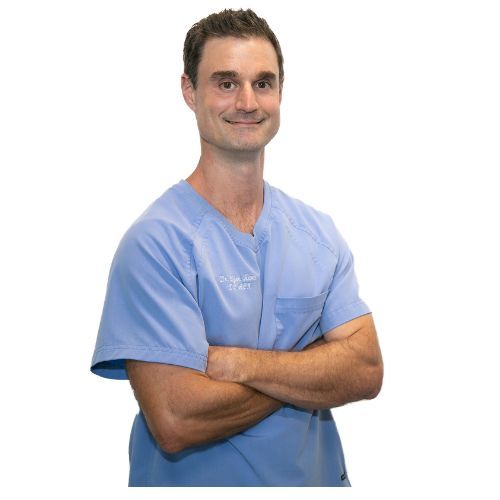
About Dr. Tyler Hamel
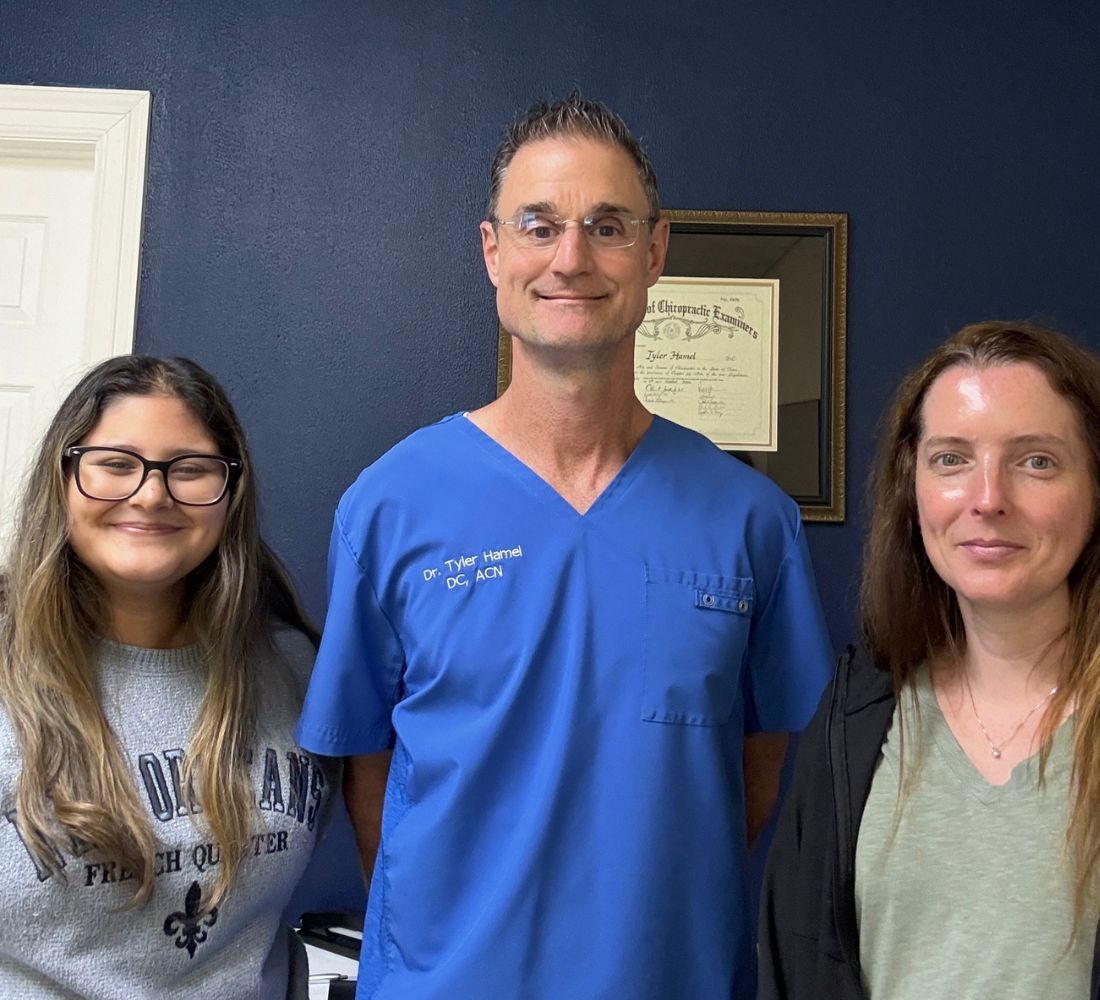
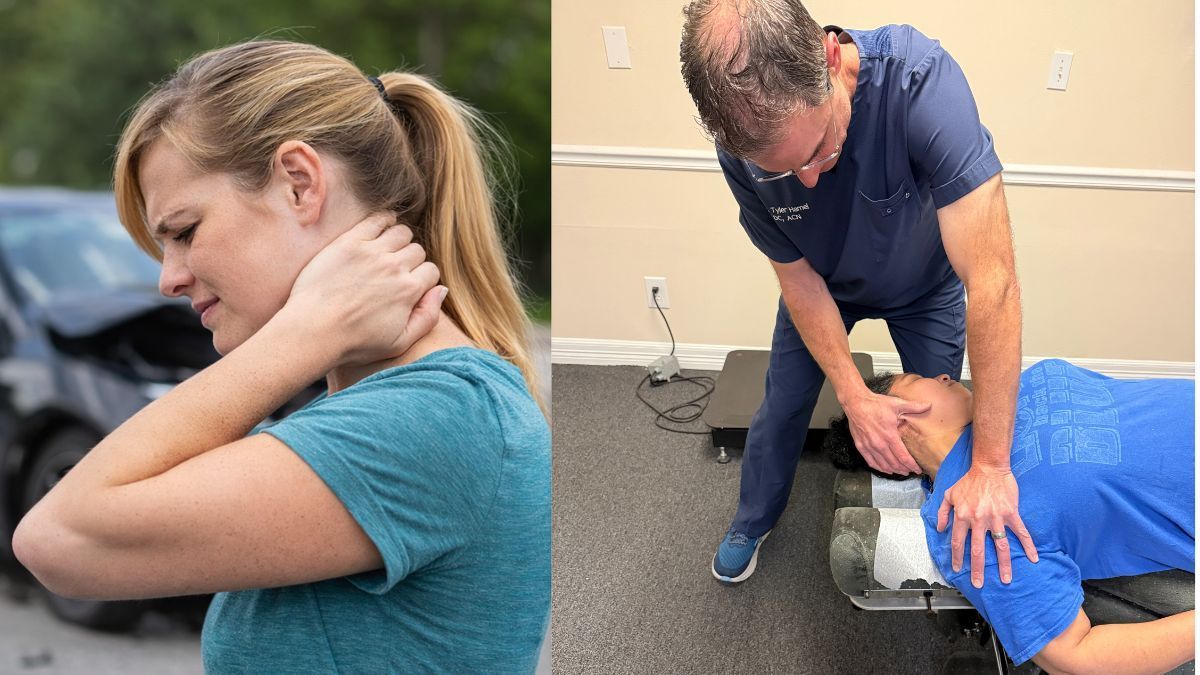
Dr. Tyler Hamel is an experienced chiropractor with over 25 years of clinical practice, specializing in the treatment of neck pain, back pain, and car accident-related injuries, including whiplash. As the owner of Kingwood Chiropractic Spine and Injury Center, he provides comprehensive, conservative care to patients in Kingwood and the northeast Houston area using chiropractic adjustments, corrective exercises, shockwave therapy, and cold laser therapy. Dr. Hamel frequently collaborates with attorneys and other healthcare providers in personal injury cases to ensure coordinated care, proper documentation, and appropriate referrals. A member of the Texas Chiropractic Association, he is committed to ongoing education and advancing clinical excellence while helping patients achieve lasting relief and improved function.
Recent Posts