Shockwave Therapy vs. Mainstream Medicine: Key Insights for Injury Repair
In the healthcare world, shockwave therapy shows promise as an alternative treatment for injuries. It's non-invasive, using high-energy acoustic waves to jumpstart the body's healing. This method offers a different way to manage pain, recovery and aid tissue regrowth. It's important to grasp the benefits of shockwave therapy. This knowledge will help you pick the best treatment for your injury.
Chronic knee pain, shoulder pain and extremity pain can be debilitating, affecting your daily routine and diminishing your quality of life. While mainstream medicine often suggests surgery or a lifetime of painkillers, there’s a revolutionary alternative gaining traction: shockwave therapy. Imagine a treatment that addresses the root cause of your pain, promotes natural healing, and gets you back on your feet without invasive procedures. In this article, we dive into the key insights comparing shockwave therapy with traditional medical approaches, revealing why more people are turning to this innovative solution. Discover how shockwave therapy can transform your journey to recovery and help you reclaim an active, pain-free life. We are meant to be active, being active means we are happy. With chronic pain, you are unable to enjoy golf, pickleball, hiking, gardening, vacationing, playing ball with your kids, walking your dog, playing in your church softball league. Don’t let knee pain, shoulder pain, elbow pain or plantar fasciitis hold you back any longer—explore the benefits of shockwave therapy today.
Key Takeaways:
- Shockwave therapy is a non-invasive treatment that uses high-energy acoustic sound waves to promote tissue healing, remove inflammation and reduce pain.
- It is commonly used to treat conditions like Achilles tendinitis, golfer's elbow, knee osteoarthritis and rotator cuff injuries.
- Shockwave therapy can provide immediate pain relief and improved range of motion, often with quicker recovery times compared to traditional treatments.
- The cost of shockwave therapy can be a consideration, as it is generally not covered by insurance plans.
- Seeking a reputable provider with the right qualifications and experience is crucial for achieving the best possible outcomes. The companies producing the best shockwave therapy machines are StemWave and SoftWave; definitely seek out a provider who is using one of these two machines for their patients.
Understanding Shockwave Therapy
Shockwave therapy, or ESWT, is a natural, therapeutic method that doesn't require surgery. It uses powerful acoustic waves to stimulate the body's healing. The waves create a force that boosts blood flow, helps tissues grow back, and lessens swelling and pain. This makes it a great choice for conditions such as hip pain, Sciatica, foot neuropathies, tendonitis, and inflammation.
What is ESWT Shockwave Therapy?
In the late 1960s, Germany first explored shockwave therapy. It has grown a lot since then, now used worldwide. This treatment sends high-energy pulses to areas that are injured or damaged like knees, shoulders, elbows and feet. By doing this, it encourages the body to heal naturally by bring in healing factors and stem cells. It's great because it calms swelling, boosts blood flow, and helps tissues heal faster.
How Does Shockwave Therapy Work?
- Over time, shockwave therapy has found use in more conditions thanks to ongoing research. For areas of chronic pain and inflammation, these sound waves help reduce both by encouraging natural healing and repair.
- It works great for sports injuries, calcifications, and scar tissue, which are commonly found with injuries like sprained ankles, plantar fasciitis, knee arthritis, shoulder impingement, and more.
- Athletes can get even better results and outcomes by combining this therapy with physical therapy or chiropractic care.
- Yes, it's true, it doesn't involve surgery and it might be just what you need for issues like chronic tendinitis and wear and tear on joints.
Shockwave therapy can be 70%-80% effective; how well it works depends on following your doctor's advice. Remember, it's usually not covered by mainstream medical insurance, but insurance might help out. Medical professionals started using ESWT in the early 1980s to bust kidney stones. By the 1990s, they saw it could also heal injuries and reduce pain.
"Shockwave therapy uses have increased over time, with researchers finding new applications for low-energy shockwaves. Any injury that has inflammation and is not healing can benefit from ESWT"
Today, a type of ESWT called shock wave therapy does wonders for joints, muscles and nerves. It has really helped with conditions like tennis elbow, muscle spasm and neuropathies. The side effects are usually very minor, patients might feel a bit of discomfort and see some swelling, but bad reactions are very rare. Most patients, after a shockwave therapy session, walk out of the office and are able to do their regular activities, there is no down time to this therapy.
Injuries and Conditions Treated with Shockwave Therapy
Shockwave therapy is making big waves in treating many muscle and joint issues. It's a non-invasive way to tackle pain and injury. This new approach is proving to be very helpful for conditions like chronic tendon problems, tough scar tissue, tears in the rotator cuff, writs pain, and osteoarthritis. Here are some very common conditions that respond very well to shockwave therapy;
Plantar Fasciitis
Plantar fasciitis causes sharp heel pain, arch and foot soreness. Shockwave therapy for plantar fasciitis has shown great results. It activates the body's healing to reduce swelling and repairs tissue. Patients are getting back to being active after their shockwave therapy sessions, running, hiking and playing pickleball.
Tennis Elbow
For conditions like tennis elbow and golfer's elbow, shockwave treatment for tendonitis works really well because it helps remove inflammation. It offers relief from the pain and aids in healing of damaged tissues of the elbow and forearm. These elbow tendinitis issues always come about from repetitive overuse on the elbow tendons from the golf club hitting the ground and from the vibration of the tennis ball hitting the racket.
Rotator Cuff and Shoulder Impingement Injuries
Dealing with shoulder pain or rotator cuff injuries? Especially for shoulder pain, ESWT is a good option. It treats shoulder problems like tendinitis and bursitis. It even helps with some rotator cuff tears in the labrum, supraspinatus and infraspinatus.
Shockwave therapy isn't just for these issues. It's also very effective for knee pain, getting rid of scar tissue, osteoarthritis and more. People like it because it's non-invasive and it doesn't require any downtime. This is turning into the go-to treatment for chronic joints conditions.
"Shockwave therapy has been a game-changer for my patients struggling with chronic pain and injury. The results we've seen in treating conditions like plantar fasciitis and tennis elbow have been truly remarkable."
- Dr. Emily Williams, Sports Medicine Specialist
Benefits of Shockwave Therapy over Mainstream Medicine
Shockwave therapy has many advantages over commonly used medical procedures for muscle injuries, joint pain and chronic conditions. It's a non-invasive method, So, you won't need anesthesia or time-consuming recoveries. Many patients see major pain relief and mobility improvements after only a few treatments.
This method is also cost-effective. A single session in Houston averages $125-$150, but you can get the first visit for a special offer of $79 at Kingwood Chiropractic in north Houston. There are also discounts for multiple sessions, like saving $390 on 10 sessions. It proves to be more affordable than other treatments, especially if you don't have good insurance.
Another good point is that you can get back to your normal life quickly. For newer injuries, 8-10 sessions are recommended. Patients with more severe shoulder and knee conditions usually require 12-24 sessions over the course of 90-120 days. Patients usually feel less pain, move better, and can take part in being more active throughout the day.
Shockwave therapy is safe and great for various conditions like tendonitis, low back pain and Achilles tendinitis. It's better than getting too many steroid shots because it doesn't harm your tissues. All ages can benefit from ESWT, if the patients are under age 25, we usually just focus the shockwave therapy waves over the muscle and not the joint because their growth plates have not closed yet.
This therapy is basically painless, you will have a little bit of discomfort when the soundwaves reach your injured tissue, like the meniscus in your knee or your tendonitis in our shoulder, this discomfort goes away quickly. The shockwaves reach deeper than massages, tackling the problem at its source, this is why it works so well and there is no other non-invasive therapy like it.
In conclusion, shockwave therapy is a budget-friendly, easy, and effective choice for many chronic conditions. It has quick recovery times and can reduce pain for a long time. If you're looking for something other than medicine and surgeries, this might be perfect for you.
Testimonial:"Shockwave therapy has been amazing for me. After struggling with chronic shoulder pain for years and trying various treatments, the shockwave therapy sessions I received at Kingwood Chiropractic, finally provided the relief I was seeking. I'm now able to return to my active lifestyle and tennis leagues without constant discomfort." PH, Kingwood, TX
| Condition | Recommended Sessions | Cost per Session | Total Cost |
|---|---|---|---|
| Acute Injury | 8-10 sessions, 6-8 weeks of care | $150 ($79 with introductory offer) | $999-$1390 depending on package discounts |
| Chronic Condition | 20-24 sessions, 90-120 days of care | $99-$139 per session | $1,980-$2,780 depending on package discounts |
| Discounted Package | $999 for 10 sessions | $999 |
How to find shockwave therapy near you
If you're searching online for a shockwave therapy provider near you, there are a few clinics and providers who offer it in the Houston area. You can find this treatment in physical therapy, chiropractic, and sports medicine practices. They have special tools and experts for this. Just search online for " shockwave therapy near me " to find the best providers in your area.
Shockwave therapy has become a popular choice for patients of all ages suffering with muscle and joint problems. It's a non-surgical treatment that uses sound waves to stimulate healing. These waves help bring oxygen, blood and stem cells to the area to help improve healing times. This method works well for issues like plantar fasciitis, tennis elbow, bone on bone knee pain, and shoulder problems.
"Shockwave therapy is the future of healing for patients seeking a non-invasive solution to their musculoskeletal problems. The results we've seen in our practice are truly remarkable, with many patients experiencing significant improvements in pain and mobility after just a few sessions." Dr. Hamel, Kingwood Chiropractic
If you're curious about shockwave therapy, start by looking for providers in your Kingwood and north Houston area. Find experts who are skilled with either StemWave or SoftWave. Make sure to check what past patients have said in google reviews and watching videos on YouTube or Instagram. Choosing a good shockwave therapy provider who cares about their patients is key to experiencing the full benefits of this treatment.
Finding a Reputable Shockwave Therapy Provider
Looking for shockwave therapy nearby? If you're in North Houston and need treatment for tendonitis, impingement syndrome, tennis elbow or knee osteoarthritis, make sure to pick a verified shockwave therapy provider. The expert's qualifications and history impact the care quality and results you get.
Qualifications to Look for
Providers of shockwave therapy are often physical therapists, chiropractors, orthopedic doctors or sports medicine experts. They should have special training and experience treating patients with knee pain, shoulder pain, carpal tunnel and other extremity injuries. Good providers usually have:
- Board certification or a license in their area (like physical therapy, chiropractic, or sports medicine)
- Experience with shockwave therapy. There is no certification for ESWT, but the provider must know the anatomy and how to map out the injured area with the soundwaves.
- Treating people with various conditions using this technique. Check their reviews to see what type of injuries these providers have treated with shockwave therapy, and what their experience and outcomes were.
- Make sure the provider has a good reputation in your local area. You can ask friends, family, or your medical doctor who they would recommend for shockwave therapy in your area.
Checking Reviews and Testimonials
It's crucial to check what past patients say about the shockwave provider you are interested in seeing for your injuries. Read online reviews and testimonials from Google, Facebook, Instagram and even TikTok. Check what their patients are saying about their shockwave therapy experiences. This can give you clues about their bedside manner, treatment results, and patient satisfaction.
Preparing for Shockwave Therapy
Getting ready for shockwave therapy and knowing what to expect is key for a good experience. Your doctor will give you a list of things to do. Still, there are some steps that everyone getting this treatment can take.
Physical Preparation
- Stop taking anti-inflammatory drugs like ibuprofen a week before. They might slow healing down. You cannot have shockwave therapy until 30 days after you have had a Cortisone shot; make sure to tell the doctor if you had a Cortisone injection and when.
- Avoid exercises that could make the problem area worse. This reduces pain and swelling during the therapy. You can't do therapy on an area to heal it and be irritating it at the same time. Shockwave therapy accelerates healing; let the body heal. You can do stretches and exercises but make sure they don't irritate your injury.
- Drink lots of water before your appointment to be well-hydrated. Ligaments, muscles, and soft tissues are much happier when they are hydrated; this also helps fight the inflammation in the area.
Mental Preparation
Being nervous about shockwave therapy is normal. But there are ways to ease those worries:
- Talk to your healthcare provider about any fears. They will explain the treatment and answer your questions.
- Use deep breathing or meditation to keep calm during the therapy. The procedure itself is about 5 minutes, you get used to the sensation of the soundwaves penetrating the injured area. You can feel your injury being healed; it is quite the experience.
- Make sure you are well-rested and hydrated when you go. This can help with any pain or side effects. Dealing with chronic pain is tough on the body; make sure you are getting plenty of rest in order to help the body heal.
It's important to get ready both physically and mentally. If you prepare well, you can have a great therapy session. Your doctor is there to help you every step of the way.
| Preparation Step | Importance |
|---|---|
| Avoid anti-inflammatory medications | Allows the body's natural healing process to occur without interference |
| Refrain from physical activity | Minimizes discomfort and swelling during the procedure |
| Stay hydrated | Helps the body better respond to the shockwave therapy treatment |
| Discuss concerns with provider | Helps alleviate anxiety and ensure a better understanding of the treatment |
| Practice relaxation techniques | Enables a calmer and more focused mindset during the procedure |
Follow these steps to get ready for your shockwave therapy. By preparing, you make sure it's a good experience. And your doctor will be there to support you.
The Shockwave Therapy Experience
What to Expect During a Session
Wondering what a shockwave therapy session is like for issues such as tendonitis, knee pain, hip pain or plantar fasciitis? The process is rather simple and is usually very straightforward for patients.
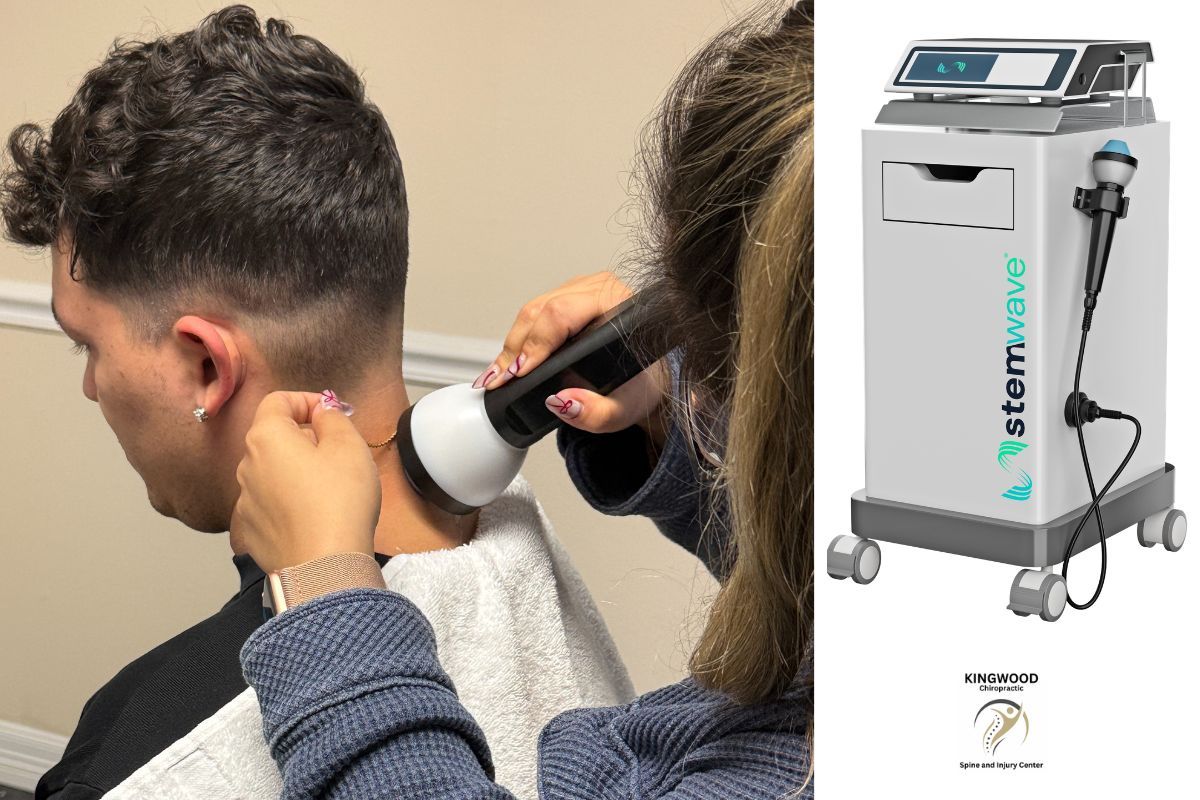
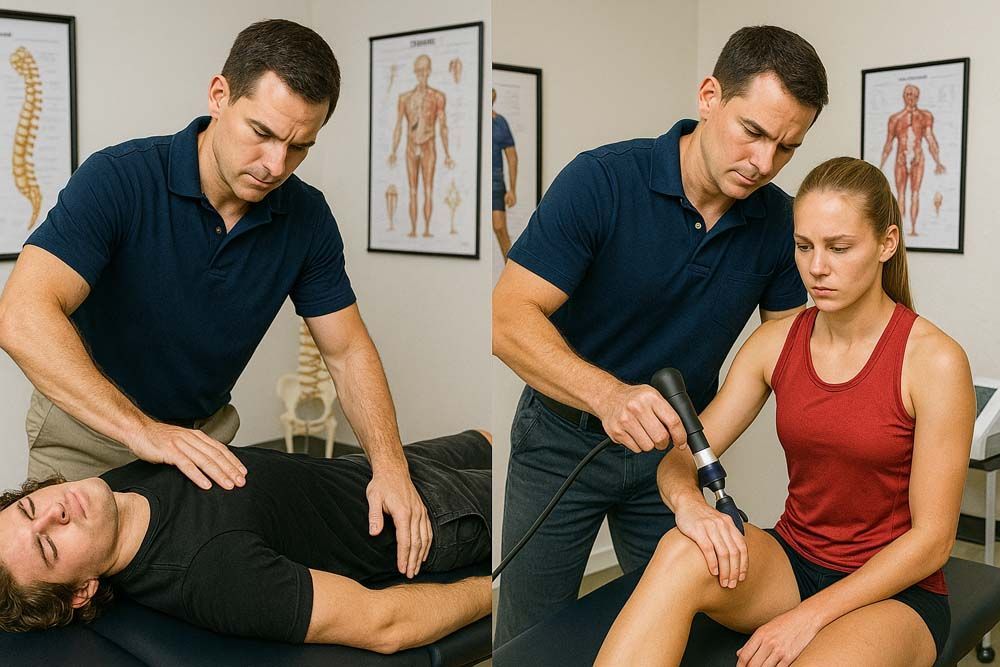
At your shockwave therapy session, the doctor will aim a device at your injured area, whether that be your knee, wrist, shoulder or foot. This device sends strong sound waves through an ultrasound gel and penetrates deep into the joint and soft tissue of the injured area. Sessions are often 10 minutes long, but the time can change based on your problem's size.
You might feel a light tingle or some discomfort during the treatment, this is part of the healing response that is activated. Don't worry, the doctor can make the treatment less intense for you, they can alter the intensity of the soundwaves. They can also target the waves more precisely if needed.
One of the main benefits of this treatment is that there is no downtime with shockwave therapy. You can go right back to your day after your session. To help your recovery, light stretches, easy exercises or ice packs at home might be suggested.
Overall, shockwave therapy is quick, easy, and doesn't require a long recovery. It's a powerful tool for conditions like tendonitis and inflammation. This therapy speeds up the healing response of your body naturally; patients usually feel a difference after the first session.
"Shockwave therapy is a revolutionary solution for anyone struggling with chronic pain or injury. These treatments are quick, highly effective, and enable you to return to your active lifestyle without the need for surgery or extended recovery periods."
Potential Side Effects and Risks
Shockwave therapy is safe for most people, there is very little risk or side effects of this cutting-edge, non-invasive treatment. Some folks might feel a bit uncomfortable, but this is normal, when extra blood, oxygen and stem cells come into an area to accelerate healing; you will feel a little bit of soreness. Always talk with your doctor with any concerns you have about getting treatment.
The main side affects you might face are:
- Temporary pain or discomfort at the treatment site, usually goes away within a couple of hours.
- Minor bruising or skin redness
- Numbness or tingling sensations (rare)
You may also feel some soreness after shockwave therapy. This is normal and shows the healing is beginning.
If you have certain health issues, shockwave therapy might not be the right choice. For example, it's not good for people with bleeding problems, some kinds of cancer, or heart devices. Pregnant women should avoid it too. If you're not sure if this therapy is right for you, talk to your shockwave therapy provider.
Even though shockwave therapy is usually fine, knowing its risks is key. Stay in the know by talking to your doctor. They'll help you get the most out of this treatment without the worry of problems.
"While shockwave therapy is a safe and effective treatment, it's crucial to be aware of potential side effects and collaborate closely with your healthcare provider to achieve the best possible results."
Recovery and Aftercare
After getting shockwave therapy, you'll soon be back to your regular routine and activities. You might not need much downtime, but you still have to let the area heal and repair; this takes a little bit of time, (6-8 weeks). Make sure to follow the recommendations by your doctor after the treatment to have a smooth recovery.
Post-Treatment Instructions
It is very important to follow your doctor's advice after shockwave therapy. This might mean:
- Putting ice on the treated area to cut down on pain and swelling.
- Staying away from heavy exercise, lifting, or hard-hitting sports so your body can heal fully.
- Doing light stretching and exercises that your doctor suggests can be good for you.
- Not taking certain medications, like steroid shots, for a while. This stops them from harming your natural healing process.
- Taking natural supplements to help support the healing process such as Glucosamine, Fish Oil, Gotu Kola and turmeric.
Listening to these tips can make your recovery go well. You'll get the most out of your shockwave therapy this way.
"Shockwave therapy typically requires 10+ sessions, each treatment builds on the previous one so you can see a cumulative response from week to week. The first phase of this therapy is to get rid of inflammation and pain, the second phase helps to regenerate and repair the damaged tissue; it is quite spectacular"
Just keep in mind, following your doctor's advice is crucial for a good recovery. It might take time for your body to heal. With correct aftercare, you should see your condition improve. You'll be back to your regular activities like tennis, golf, pickleball, hiking or getting back to the gym.
| Statistic | Value |
|---|---|
| Average Pain Reduction | 92% |
| Pre-Treatment Pain Level (1-10 scale) | 7.7 |
| Post-Treatment Pain Level (1-10 scale) | 0.6 |
| Patients Looking to Avoid Surgery | 95% |
Combining Shockwave Therapy with Other Treatments
A comprehensive approach is best for managing pain and promoting healing. Shockwave therapy, when combined with methods like physical therapy, chiropractic, corrective exercises or supplements/medication, offers a holistic path to recovery. This method can lead to faster healing and better results for patients.
Shockwave therapy is adaptable and addresses various issues, like plantar fasciitis, heel pain or tennis elbow. Used together with other treatments, it enhances pain relief and speeds up recovery. These combined efforts often lead to quicker results and a happier patient.
Using shockwave therapy alongside physical therapy or chiropractic care can tackle muscle and joint issues. Shockwaves break down scar tissue and enhance the body's healing. Physical therapy and chiropractic then help to rebuild strength, flexibility and promotes better alignment. It shows good results for muscle and joint healing both in the spine and for extremities.
It's vital to collaborate with your healthcare team on the best treatment mix for you. They can guide you on the benefits and drawbacks of each strategy. Together, you can create a plan that fits your specific health needs and goals.
Adding shockwave therapy to your treatment plan offers a holistic approach for healing and pain management. It is effective for various issues, including sports injuries, work injuries, and repetitive wear and tear over time. Working with your healthcare team ensures the best use of this therapy for your recovery.
Working closely with a qualified healthcare provider is crucial for the success of shockwave therapy. They can tailor the treatment to your needs and provide essential support. With the correct approach, you can enjoy the benefits of this therapy for pain relief and healing. Let your shockwave therapy provider know your goals and expectations of treatment; what do you want to be able to do when you are done with your sessions.
Conclusion
Shockwave therapy is now at the forefront of non-invasive treatments. It targets a variety of musculoskeletal conditions, soft tissue injuries and chronic pain. This treatment uses high-energy acoustic sound waves to kick-start the body's natural healing.
You might be looking for an advanced and safe way to address your injury or pain. We suggest searching online for "shockwave therapy near me" with a trusted healthcare pro. Shockwave therapy is gaining ground, showing it could significantly improve your health and quality of life without the need for surgery or taking strong medication long term.
If you have issues like foot pain, frozen shoulder, jumpers’ knee or neuropathies, nearby shock wave therapy clinics can help. They offer specialized care and knowledge for your specific needs. Taking the step to try out this cutting-edge therapy could be life-changing, helping you get back to an active lifestyle. Shockwave is very safe; it cannot make a condition like knee pain or shoulder pain worse; we tell patient that they will most likely see positive changes after the first visit; and for sure within 3 visits. Patients not responding or seeing any change in pain or their range of motion are probably not good candidates for shockwave therapy and will get referred to another practitioner.
FAQ
What is shockwave therapy?
Shockwave therapy is a cutting-edge medical treatment that harnesses high-energy acoustic waves to promote healing. During the procedure, a healthcare professional targets the affected area with a specialized device, sending therapeutic waves into the affected joint or muscle. These waves enhance blood flow, stimulate new tissue growth, and reduce pain and inflammation What conditions can shockwave therapy treat? It's great for muscle, tendon, cartilage and joint problems. Like for sore heels, tennis elbow, and sore shoulders.
How does shockwave therapy work?
The acoustic waves generated by shockwave therapy improve blood circulation, promote tissue healing, and reduce inflammation. This process effectively alleviates pain and enhances overall recovery leading to a more active lifestyle for each patient.
What are the benefits of shockwave therapy over traditional treatments?
The 3 biggest and most noticeable benefits of shockwave therapy over mainstream medical treatments are: It is non-invasive and drug-free, it promotes natural healing by improving circulation and reducing inflammation, and lastly there are no side effects which makes recovery very easy.
How do I find a shockwave therapy provider near me?
Just search online for "shockwave therapy near me" or "shock wave therapy clinics." You'll find places that offer the treatment. If you are looking for an experienced shockwave therapy provider in the Kingwood or north Houston, Texas area, Kingwood Chiropractic is well qualified. They have treated many patients with frozen shoulder, knee osteoarthritis and plantar fasciitis with tremendous results.
What type of shockwave therapy treatment should I be looking for?
Look for healthcare pros like physical therapists and sports doctors are at the forefront of offering ESWT. The two companies that produce the best shockwave therapy machines are StemWave and Softwave, make sure your providers are using one of these companies because the provide the best, locally focused sound wave therapy and they invested heavily in research and development.
How many shockwave therapy sessions does a person usually need?
Your doctor will recommend a certain amount of shockwave therapy sessions depending on your history, the severity of your condition and what your goals and expectations are after completing the therapy. For patients who just want to get out of pain and are not too active, 6-8 weeks of shockwave therapy usually does the trick. Other patients who are looking to be more active with hiking, running, gardening, traveling, playing with their grandkids or golfing it takes more like 90-120 days of therapy for the regenerative process, (fully repairing the damaged tissues of the knee, shoulder), to take place.
What should I expect during a shockwave therapy session?
The doctor will ask you questions before each session to determine how well you are responding to the treatment. Make sure to communicate with the doctor any wins you might have had or any concerns you have about the treatment and your results. During the session, expect 5 minutes of focused soundwaves penetrating your area of concern, this is how the healing takes place. You will most likely feel a little discomfort when the shockwaves go over the area with the most inflammation, for the knee this is usually the patellar tendon or meniscus, for the shoulder this is usually the rotator cuff tendons. Give feedback to the doctor to where you are feeling the tingling or discomfort during the shockwave therapy session.
What is shockwave therapy good for?
Shockwave therapy is highly effective for treating a variety of musculoskeletal and extremity conditions. It is commonly used to address chronic pain and injuries such as plantar fasciitis, tendinitis, tennis elbow, shoulder pain, and knee pain. This non-invasive treatment promotes healing by improving blood flow, stimulating tissue regeneration, and reducing inflammation. It is particularly beneficial for individuals who have not responded well to traditional therapies, offering a promising alternative to surgery and long-term medication use. By accelerating the body's natural healing processes, shockwave therapy helps patients regain mobility and return to their sport or hobbies quickly and pain free.
Can shockwave therapy be combined with other treatments?
Sometimes, doctors use it with other treatments. These can include exercise, seeing a chiropractor, physical therapist or taking medication. This therapy helps to reduce inflammation and pain so it is much easier to benefit from rehabilitative exercises and stretches. Shockwave therapy helps to heal from the inside out so it pairs well with other therapies like massage, acupuncture, chiropractic and even with personal trainers.
Does insurance pay for any of the shockwave therapy procedure?
At Kingwood Chiropractic, Blue Cross Blue Shield and Aetna insurance can help pay for the office visit but they do not pay for the ESWT treatment itself. You would have to call the office to see what BCBS or Aetna plan you have and get details on your benefits. We are seeing higher and higher deductibles and co-pays these days, all the way up to $100 co-pay and $5000 deductibles, our self-pay discounts for shockwave therapy are very affordable. Think of it this way; if shockwave therapy was able to fix your problem or condition, would you be willing to pay for it out of pocket?
Related Resources
Blog article => Houston Shockwave therapy
Instagram => Shockwave Therapy for Knee Pain
YouTube => Shockwave Therapy Testimonial Bone on Bone Knee Pain
About Dr. Tyler Hamel
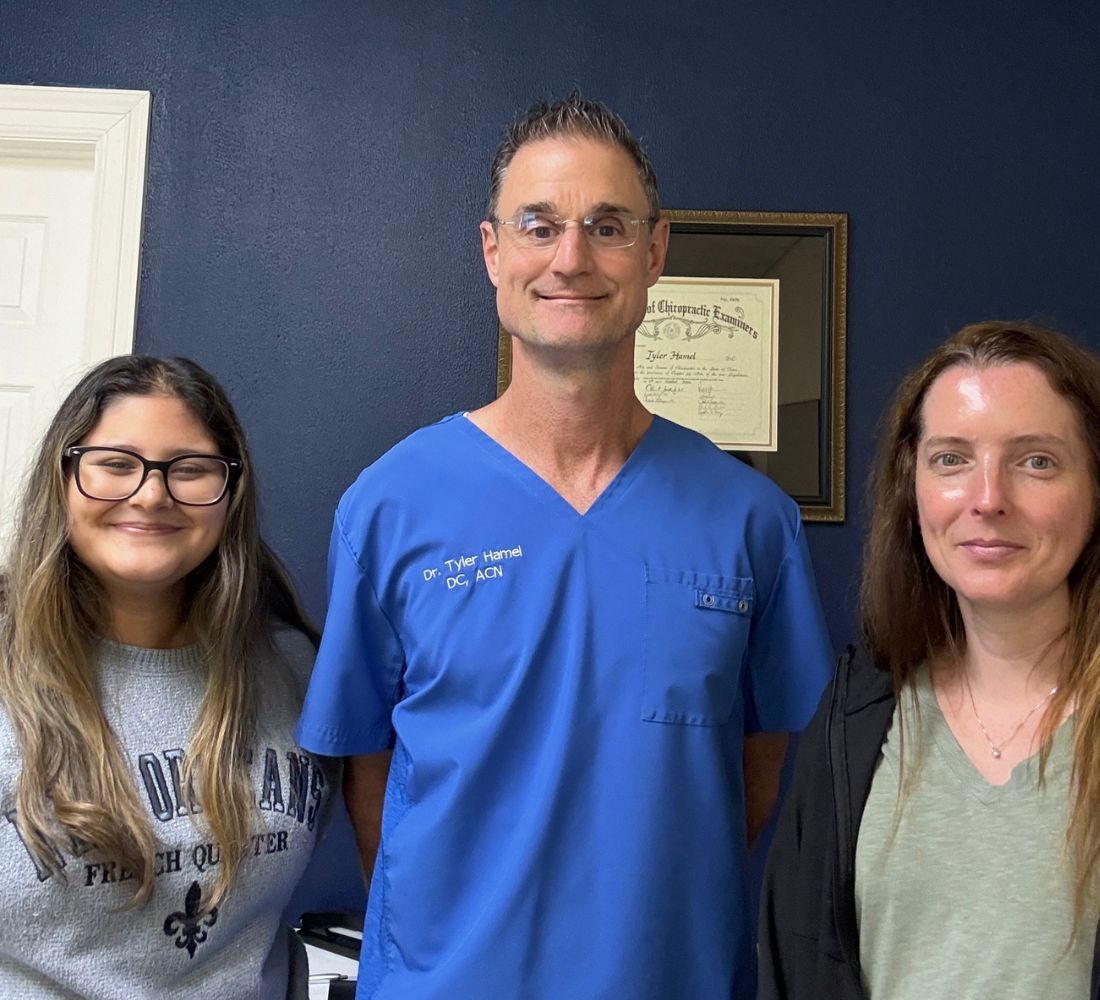
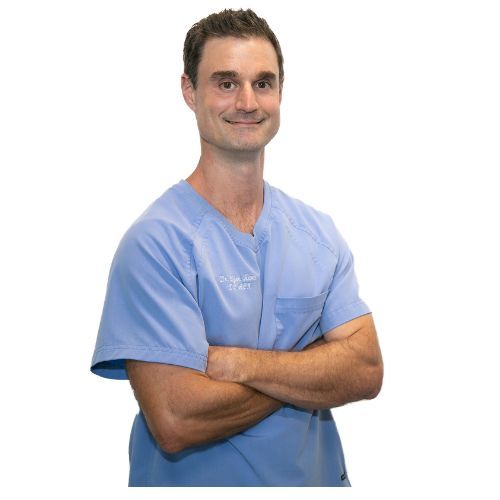
Dr. Tyler Hamel is an experienced chiropractor with over 25 years of clinical practice, specializing in the treatment of neck pain, back pain, and car accident-related injuries, including whiplash. As the owner of Kingwood Chiropractic Spine and Injury Center, he provides comprehensive, conservative care to patients in Kingwood and the northeast Houston area using chiropractic adjustments, corrective exercises, shockwave therapy, and cold laser therapy. Dr. Hamel frequently collaborates with attorneys and other healthcare providers in personal injury cases to ensure coordinated care, proper documentation, and appropriate referrals. A member of the Texas Chiropractic Association, he is committed to ongoing education and advancing clinical excellence while helping patients achieve lasting relief and improved function.
Recent Posts