Shockwave Therapy For Plantar Fasciitis: How It Helps
Are you tired of heel pain? Discover shockwave therapy, a game-changer for plantar fasciitis sufferers. If you are irritated and worn out from living with chronic foot pain, discover the cutting-edge solution that's helping countless people walk pain-free again. Shockwave therapy for plantar fasciitis offers a non-invasive, quick, and effective treatment that could be the answer to your foot pain woes. Learn how this revolutionary therapy works and why it's becoming the preferred choice for those seeking plantar fasciitis treatment as well as the doctors providing the therapy. ESWT, extra corporeal shockwave therapy is becoming the go to treatment for plantar fasciitis from providers such as sports medicine doctors, orthopedic doctors, chiropractors and physical therapists. Search for reputable providers offering shockwave therapy for plantar fasciitis so you can get back to doing the things you love to do without pain.
Key Takeaways
- Shockwave therapy is a non-invasive treatment option for plantar fasciitis that uses high-energy sound waves to promote healing, reduce inflammation and reduce pain.
- Studies suggest that shockwave therapy can be effective in relieving symptoms for many people with plantar fasciitis, particularly in cases resistant to traditional treatments.
- Shockwave therapy has been used to successfully treat a variety of orthopedic and musculoskeletal conditions for over 30 years. For patients who are not interested in surgery or Cortisone shots; ESWT is a great alternative treatment.
- The treatment is generally considered safe, with a lower risk of complications compared to medication or surgical options.
- Most patients getting shockwave therapy for plantar fasciitis are seeing a significant improvement; if the patient is not seeing any improvement within 3 sessions, the treatment is usually not going to work for them.
What is Plantar Fasciitis?
Plantar fasciitis is a painful condition that affects the plantar fascia, a tissue on the bottom of the too going from the heel to the toes. This tissue supports the arch and acts as a shock absorber. But too much strain can make it inflamed, causing heel pain and making any activity painful. Most patients coming in with chronic plantar fasciitis are no longer able to walk, run, play pickleball, golf or go the gym; they are quite miserable.
Anatomy of the Plantar Fascia
The plantar fascia is a thin ligament stretching from the heel to the toes. It spreads out and connects to the toes, forming the arch. This structure stiffens the foot and supports it during walking and running.
When the plantar fascia gets irritated and inflamed, it causes sharp pain in the heel, especially in the morning when getting out of bed. This condition is a common heel pain cause, affecting millions globally. Mainstream medicine and prescription medicine does not have the answer to healing plantar fasciitis, ESWT is a great natural option to try.
Plantar fasciitis is a common foot issue, treated more than any other at Raleigh Foot & Ankle Center. It can happen to almost anyone, at any age. Factors like too much exercise, gaining weight, and wearing the wrong shoes can contribute to it. Any repetitive activity like pickleball causes serious stress on the arch, the plantar fascia, the Achilles tendon and the calves. It is all one big chain, says Dr. Hamel of Kingwood Chiropractic, tight calves => tight Achilles => tight plantar fascia which causes pain and inflammation.
Understanding Shockwave Therapy
Shockwave therapy, also known as Extracorporeal Shock Wave Therapy (ESWT), is a new, cutting-edge, non-surgical way to treat plantar fasciitis. This method doesn't involve medicine or surgery and uses acoustic sound waves to penetrate deep to the sight of the injured area. Shockwave therapy helps stimulate a healing response by: reducing inflammation, improving blood flow, (bringing in oxygen and stem cells), and causing injured tissues to regenerate.
How Does Shockwave Therapy Work?
Shockwave therapy sends special waves to the injured or damaged area like a knee, shoulder or foot. These waves help improve blood flow and make the healing cells of the body work better. They also start the body's repair process. By doing this, it can help reduce pain right and improve mobility right away.
This therapy started in Germany in the late 1960s. Now, it's known as a good way to treat pain in muscles, tendons, cartilage and bones. Studies over the last 50 years have shown it works well for many injuries, including plantar fasciitis, frozen shoulder and knee osteoarthritis.
One great thing about shockwave therapy is it doesn't need surgery or drugs to work. Patients usually need 8-10 sessions. A patient can get shockwave therapy and then can go back to their normal activities of the day. There is no down time with ESWT; as the patient you just have to make sure not to overdo it during the 6-8 protocol of shockwave therapy treatments.
"Shockwave therapy has been shown to significantly reduce pain and improve function in patients with plantar fasciitis, making it a valuable treatment option for this common and often debilitating condition."
Why search for Shockwave Therapy near me for your plantar fasciitis?
If you're dealing with plantar fasciitis and traditional treatments like physical therapy or pain management haven't helped, shockwave therapy might be an option. It's used when other methods like rest, muscle relaxers, physical therapy, and special shoes don't work after 6 months. This treatment is a natural way to accelerate the body's healing and repair.
Shockwave therapy is a good choice instead of surgery for many muscle, joint and bone problems. It can greatly reduce pain and help you move better than other treatments. The therapy stops pain signals in inflamed nerves and helps new blood vessels grow to support healing.
Studies show shockwave therapy for plantar fasciitis is a game changer, people are able to get back to running, pickleball, tennis and walking there dog in a matter of 6-8 weeks. ESWT is also great for treating heel spurs, frozen shoulders, plantar fasciitis, tennis elbow, meniscus tears and other issues. It usually takes 8-10 sessions, each lasting 5-10 minutes, with a frequency of 2X per week to start. This treatment has been shown to work well for many musculoskeletal and extremity conditions.
| Condition | Treatment Schedule | Success Rate |
|---|---|---|
| Plantar Fasciitis | 8-10 sessions, 2X per week | Over 80% pain-free after 10 treatments |
| Patellar Tendinitis | 8-10 sessions, 2X per week | Significant pain reduction and tissue repair |
| Lateral Epicondylitis | 8-10 sessions, 2X per week | High success rate, with immediate pain relief |
But shockwave therapy isn't for everyone. It's not advised for people with bone tumors, cancer, certain bone disorders, nerve or blood circulation issues, pregnant women, or areas with infection. It also shouldn't be used where bone is still growing so when treating younger kids’ shockwave therapy is only used over the muscle itself and not the joints.
Thinking about trying shockwave therapy for your plantar fasciitis or other muscle problems? Talk to a healthcare professional near you. They can help decide if this treatment is a good fit for you. With plantar fasciitis and most chronic joint pains, you will know within 3 shockwave therapy sessions if it is going to work or not.
Procedure for Shockwave Therapy
Shockwave treatment is done as an outpatient procedure. You can go home the same day without needing to stay overnight. You might need 8-10 sessions, depending on how bad your plantar fasciitis is.
The steps for shockwave therapy are as follows:
- You'll be asked to lie on your stomach with your legs supported by a pillow.
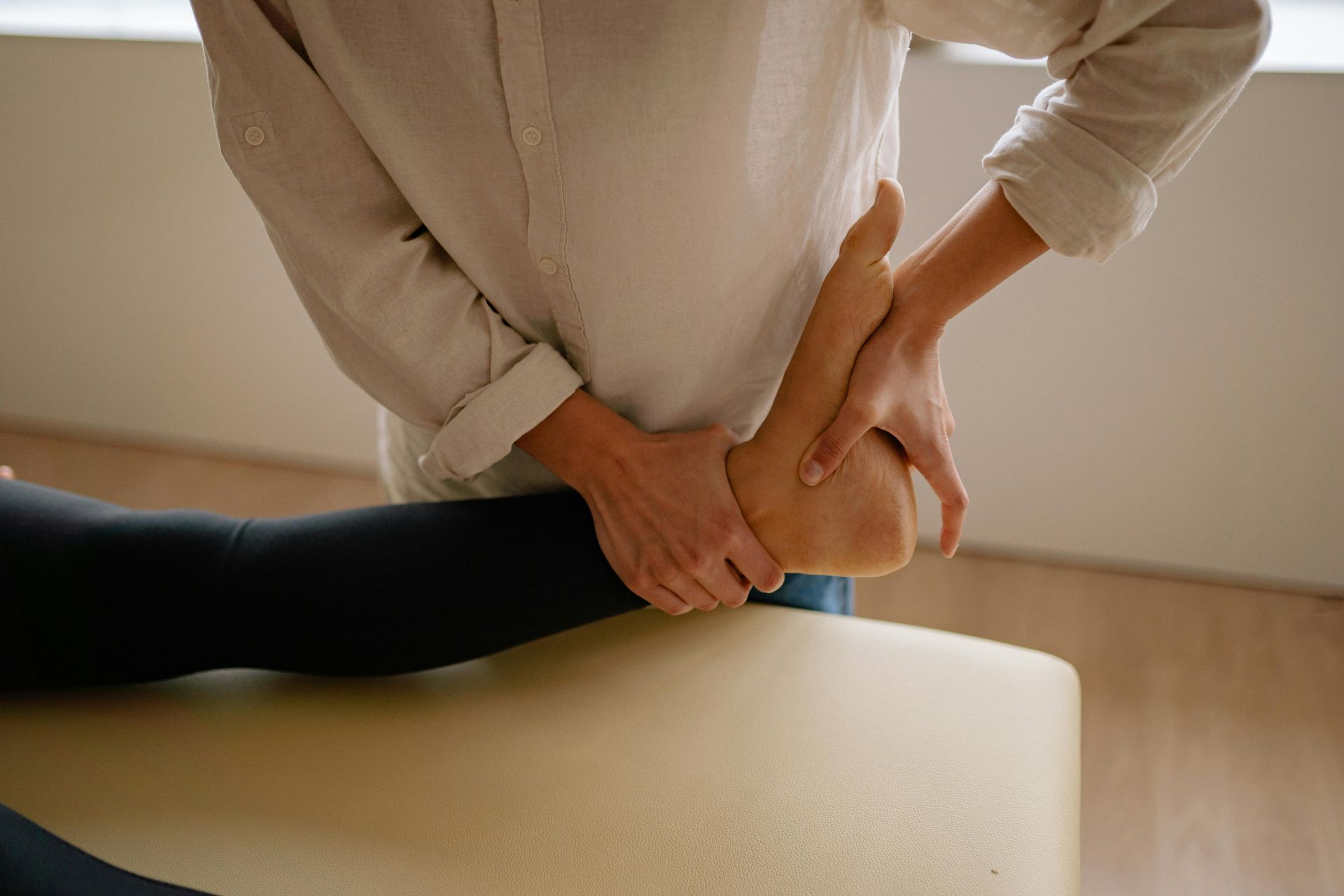
- The doctor will have you take off your shoe and roll up your sock so he can apply the shockwave therapy directly to the foot.
- Ultrasound gel is applied to your heel and plantar fascia to help the shockwave penetrate the skin and get to the fascia and joints of the foot.
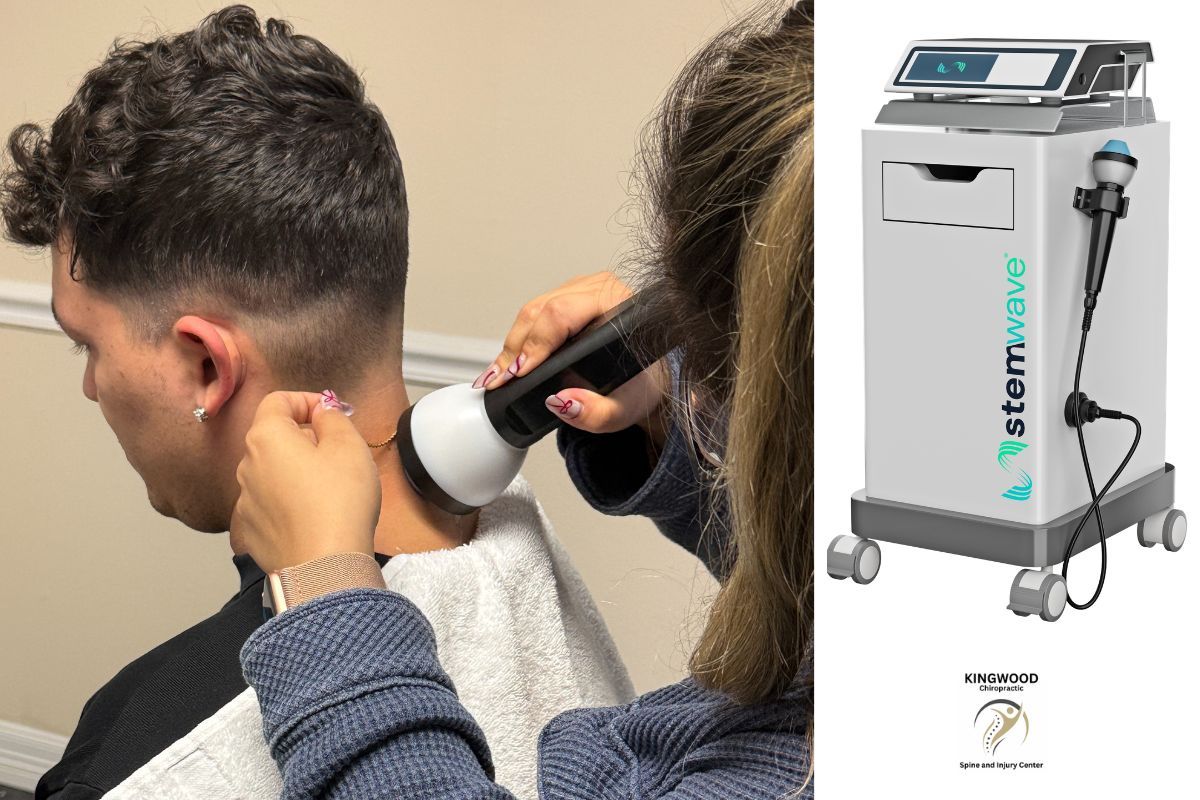
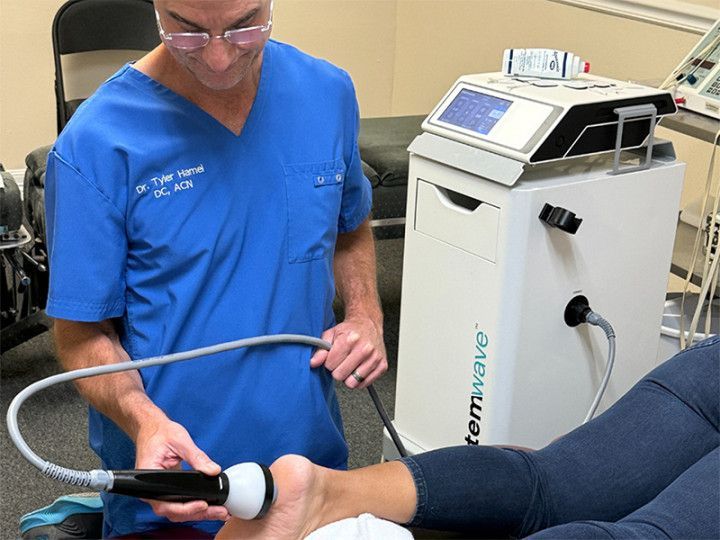
- Shockwaves are then delivered through a hand-held probe attached to the shockwave machine. You will hear a pulsating sound which is the shockwave being produced and the soundwave entering the injured area.
- The whole treatment takes about 5-10 minutes per foot.
Preparation for the Treatment
Before the treatment, your medical history will be checked. You'll be told to stop taking any anti-inflammatory medicines at least 5 days before. This helps the shockwave therapy work better by letting your body heal naturally.
"Shockwave Therapy can be a game-changer for individuals struggling with chronic conditions like plantar fasciitis. The non-invasive approach and quick recovery time make it an attractive option for many patients."
Effectiveness of Shockwave Therapy
Shockwave therapy is a promising treatment for plantar fasciitis. Studies show it can help patients of all ages and activity levels feel better. Focused shock wave therapy (FSW) and extracorporeal shock wave therapy (ESWT) are especially effective in getting rid of inflammation, reducing pain and improving function.
A study with 384 patients found shockwave therapy to show significant improvement in pain and mobility. Out of 326 patients who got the treatment, many saw a big improvement in pain and function. They felt better right after treatment and even 4 weeks later.
Shockwave therapy works well for plantar fasciitis, with success rates between 44% and 80%. Most patients see immediate improvement in 1-3 visits; with them feeling fully healed within 6-8 weeks and 10 visits.
| Condition | Improvement in Pain | Improvement in Functionality | Improvement in Quality of Life |
|---|---|---|---|
| Elbow Tendinopathy | From 1.99 to 0.10 | From 1.79 to 0.10 | From 2.17 to 0.83 |
| Achilles Tendinopathy | At least 2-point improvement | At least 2-point improvement | At least 2-point improvement |
| Plantar Fasciitis | At least 2-point improvement | At least 2-point improvement | At least 2-point improvement |
| Rotator Cuff Tendinopathy | At least 2-point improvement | At least 2-point improvement | At least 2-point improvement |
Research supports the use of shockwave therapy for plantar fasciitis. But results can vary from person to person depending on the severity of the condition. Always talk to a healthcare professional to see if it's right for you.
Advantages and Disadvantages
Shockwave therapy is a modern way to treat chronic pain, like plantar fasciitis. It's non-invasive and can be very effective. But, it's not without its downsides. Let's look at the good and bad of shockwave therapy.
Pros of Shockwave Therapy
- It's a non-invasive method that doesn't need much prep or recovery time. This is unlike surgery or other invasive treatments.
- It can quickly ease pain, often solving issues like plantar fasciitis in a few sessions.
- This treatment is safe, with very rare major side effects.
- It might help people with plantar fasciitis avoid surgery, which is riskier.
Cons of Shockwave Therapy
- It might not work for everyone, and results depend on the condition and health of the patient.
- Improvements often take several treatments over time, which can be costly, but not near the cost of having surgery.
- Insurance might not fully cover shockwave therapy, making it expensive for some.
- Side effects, though rare, can include pain, bruising, swelling, and numbness at the treatment spot. The side effects usually go away within a couple of hours, this is just a healing response to the treatment which is a good thing.
Shockwave therapy is a promising option for those with plantar fasciitis and other chronic pains like frozen shoulder, golfer's elbow and carpal tunnel. Knowing the pros and cons helps patients decide if it's right for them.
| Advantages of Shockwave Therapy | Disadvantages of Shockwave Therapy |
|---|---|
|
|
"Shockwave therapy has been a game-changer for many of my patients suffering from chronic plantar fasciitis. The non-invasive nature and quick recovery time make it a highly attractive option compared to other treatments."
- Dr. Hollenberg, Integrated Chiropractic, Boca Raton
Cost of Shockwave Therapy For Heel Pain Relief
The cost of shockwave therapy for plantar fasciitis varies. It depends on the treatment type, how many sessions you need, where you live, and your insurance. Without insurance, it usually costs between $999-$1350 on average.
A study showed the average cost for shockwave therapy in the Houston area is $99-$175 per session. This price can change based on the provider, location, and how many sessions you need.
| Cost Factor | Average Cost |
|---|---|
| Initial consultation and evaluation | $100 - $300 |
| Shockwave therapy session (per session) | $99 - $175 |
| Total cost for 10 sessions | $999 - $1350 |
Health insurance might not cover shockwave therapy for plantar fasciitis. It's seen as an elective or experimental treatment. Before you book an appointment, talk to your insurance to know what you'll pay out-of-pocket.
"Shockwave therapy is a non-invasive and safe treatment option with no side effects, making it an affordable and simple solution to many chronic conditions."
Some healthcare providers offer payment plans or financing to make shockwave therapy more affordable. Ask about these options when looking into the cost of shockwave therapy in your local area.
Alternative Treatments for Plantar Fasciitis
Shockwave therapy is a good option for plantar fasciitis, but there are other ways to help with this painful foot issue. Non-surgical treatments for plantar fasciitis include:
- Rest and avoiding activities that cause pain
- Ice application to reduce inflammation
- Medications such as nonsteroidal anti-inflammatory drugs (NSAIDs)
- Physical therapy to stretch and strengthen the foot and calf muscles
- Night splints to keep the plantar fascia stretched
- Supportive shoes and custom orthotics to provide arch support
- Steroid injections to reduce inflammation
- Ultrasonic tissue repair to stimulate healing
The right treatment depends on how bad your symptoms are and how well you respond to different treatments. Sometimes, you might need to use a mix of these options to feel better.
| Treatment | Description | Effectiveness |
|---|---|---|
| Rest and Icing | Resting the affected foot and applying ice can help reduce inflammation and pain. | Effective for mild to moderate cases of plantar fasciitis. |
| Physical Therapy | Stretching and strengthening exercises can help improve flexibility and support the plantar fascia. | Highly effective for improving long-term outcomes. |
| Orthotics | Custom-made arch supports or inserts can help alleviate pressure on the plantar fascia. | Effective for providing relief and preventing further injury. |
These alternative treatments might not be as strong as shockwave therapy, but they can still help with plantar fasciitis, especially for milder cases. It's key to talk with a healthcare provider to find the best treatment for you.
Risks and Potential Complications
Shockwave therapy is usually safe for treating plantar fasciitis. But there are risks and complications to know about. These include temporary pain, swelling, and bruising around the heel during or after treatment.
Sometimes, patients might face more serious issues like minor bruising, numbness, or redness in the area. Shockwave therapy is not recommended for pregnant women, people with bleeding disorders, or those on blood thinners. It's also not good for people with cancer near the treatment area or those with pacemakers, keeping the treatment area at least 8-10 inches away from the device.
| Potential Risks and Complications | Prevalence |
|---|---|
| Temporary pain, swelling, and bruising | Common |
| Minor bleeding | Rare |
| Numbness | Rare |
| Making condition worse | Minimal risk |
Talking to your healthcare provider about the complications of shockwave therapy, and side effects of shockwave therapy is key. This helps you make a well-informed choice for your plantar fasciitis treatment. Overall, the risks are very minimal compared to taking strong medicine, pain injections or surgeries.
Post-Treatment Care and Recovery
After your shockwave therapy session, you can walk and do your normal activities right away. But your doctor might tell you to rest and elevate your foot for a day or two. It's important to avoid any hard activities, heavy lifting, pickleball or high-impact exercises for at least 2 days after your treatment.
The day after your shockwave therapy, start with gentle stretching exercises. This helps with healing and keeping flexibility. Your doctor will also suggest you don't run for at least a week.
To make sure you recover well from post-shockwave therapy care and recovery, follow up with your healthcare provider as scheduled. These visits help them check on you’re healing and make sure your return to activities after shockwave therapy goes smoothly.
- Rest and elevate your foot for 1-2 days
- Avoid strenuous activities, heavy lifting, and high-impact exercises for 2 days
- Perform gentle stretching exercises the day after treatment
- Refrain from running for at least 1 week
- Avoid ice therapy and anti-inflammatory medications for 2 days
- Attend scheduled follow-up appointments to monitor progress
Conclusion
Shockwave therapy for plantar fasciitis can help some people with this painful foot condition. Studies show it can lessen pain, boost function, and improve life quality. This non-invasive treatment is a good option for many.
Shockwave therapy can help heal and regenerate tissues, bones, and muscles. It's a good alternative to invasive treatments. But, it's important to remember that it doesn't work for everyone.
If you're thinking about shockwave therapy for plantar fasciitis, searching online for "shockwave therapy near me", and talk to an experienced doctor first. They can tell you if it's right for you and help plan a treatment protocol to meet your goals. By understanding shockwave therapy and its pros and cons, you can make a smart choice. This could be the step you need to ease the pain of plantar fasciitis.
FAQ
What is plantar fasciitis?
Plantar fasciitis is an inflammation of the plantar fascia. This tissue runs along the foot's bottom, connecting the heel to the toes. It causes heel pain, especially in the morning. It is a very thin muscle and as a result the plantar fascia does not get too much blood flow or nerve flow; this plays a part in it being such a common foot injury.
How does shockwave therapy work for plantar fasciitis?
Shockwave therapy uses high-energy sound waves to improve blood flow to the inflamed and injured area. This speeds up healing by bring in healing cells to the affected area. It's a non-invasive method that helps in tissue regeneration without the harmful side effects of surgery.
When is shockwave therapy indicated for plantar fasciitis?
Use shockwave therapy when other treatments like rest, medications, and physical therapy don't help after 6 months. It's a great alternative to surgery or multiple Cortisone shots and ESWT is non-invasive so you don't have to worry about making a condition worse.
What happens during a shockwave therapy procedure?
You will lie face down on the table with your socks off so that the ESWT can be applied directly over the plantar fascia and heel. The shockwaves come through a device, through ultrasound gel and into the injured area; you will feel the pulses coming into the injured area. When the shockwave pulses go over the injured area you will feel some discomfort because of the healing response; it is a normal to feel this.
How effective is shockwave therapy for plantar fasciitis?
Shockwave therapy is effective for many people, with 44% to 80% experiencing symptom relief. Most patients see noticeable improvement after the first visit and for sure after 3 sessions. When patients go through the full shockwave therapy protocol of 10 visits, their chances of a full recovery go up to 80%
What are the potential benefits of shockwave therapy?
Benefits include being non-invasive, quick pain relief, safety, and a lower risk of complications. Many people today are choosing shockwave therapy for their plantar fasciitis because they are tired of taking medicine, doing pain shots and they definitely want to avoid any type of surgery.
What are the potential downsides of shockwave therapy?
There are limited downsides to shockwave therapy because of the non-invasive nature of the treatment. Some patients have some bruising or soreness after the treatment but it usually goes away in a couple of hours.
How much does shockwave therapy cost?
Shockwave therapy costs anywhere from $99-$175 per visit depending on the area you live in. The shockwave therapy clinic will often offer cash discounts for packages of 10 or more sessions. Insurance like Blue Cross Blue Shield and Aetna will sometimes pay for the office visit part of the treatment, but not the shockwave therapy procedure itself.
What are some alternative treatments for plantar fasciitis?
Besides shockwave therapy, treatments include rest, ice, medication, physical therapy, and surgery for severe cases. There are also some very good corrective exercises to help strengthen the arches and build some strength and mobility in the foot.
What are the risks and potential complications of shockwave therapy?
There are very few complications with ESWT, some bruising and soreness can happen, but goes away quickly. There are contraindications to shockwave therapy including patients with a pacemaker, cancer, active infection or if they had a Cortisone shot within the last 30 days. Any type of medical condition that affects the body's ability to heal and repair may be a contraindication.
What should I expect after shockwave therapy?
You should be able to walk better with less pain after a shockwave therapy session for plantar fasciitis, but make sure to rest and elevate your foot for a day or two. Avoid heavy activities that would irritate the plantar fascia like pickleball, tennis, jumping, running, cross-fit and other high intensity workouts. Each treatment builds on the last one, each time reducing inflammation and promoting healing and repair. If you have been suffering with plantar fasciitis for a long time and nothing has helped, ESWT might be exactly what you need to get healthy, active and pain free again.
How does shockwave therapy compare with pain management and surgeries?
For anything to heal and repair; like plantar fasciitis, frozen shoulder, or Achilles tendinitis; if the body gets what it needs; take about 6-8 weeks. This is how long it take for collagen and new tissue to form and lay down properly. With shockwave therapy you are still looking at 6-8 weeks, it is exceptional because of the way it promotes healing. It does this by reducing inflammation, bringing in oxygen and stem cells to the damaged area and eventually regenerating tissue, cartilage, bone, meniscus and ligaments. ESWT differs because it is all natural; surgery is invasive and they cut through muscle, nerves and tendons and attach joints using sutures. Due to surgery, the healing time is very extensive and the potential for side effects is greater. Post surgery you will be required to do physical therapy for at least 3 months to give yourself the best outcomes; this is serious commitment. Surgery can always be looked at as the last option; you can try shockwave therapy and more natural treatments; if they fail surgery will always be there. Remember surgery is a permanent thing; when they add sutures, staples, and ligaments to the area operated on, that will always be like that for that moment on. For example, you cannot have low back surgery or knee replacement surgery, not be satisfied with the results, and then ask the surgeon to reverse the procedure. Other pain management strategies like pain shots can be helpful but they just act as a band aid, they reduce pain and symptoms but in no way cause actual healing to happen.
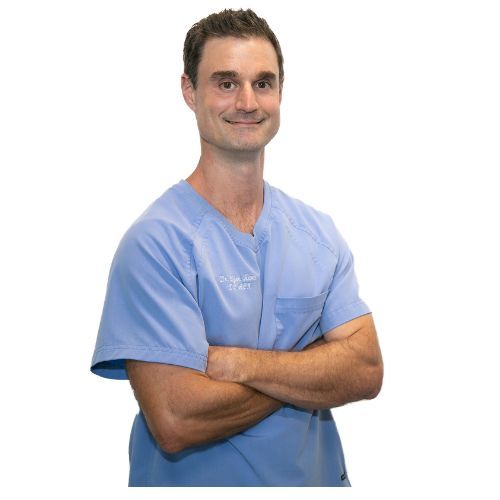
About Dr. Tyler Hamel
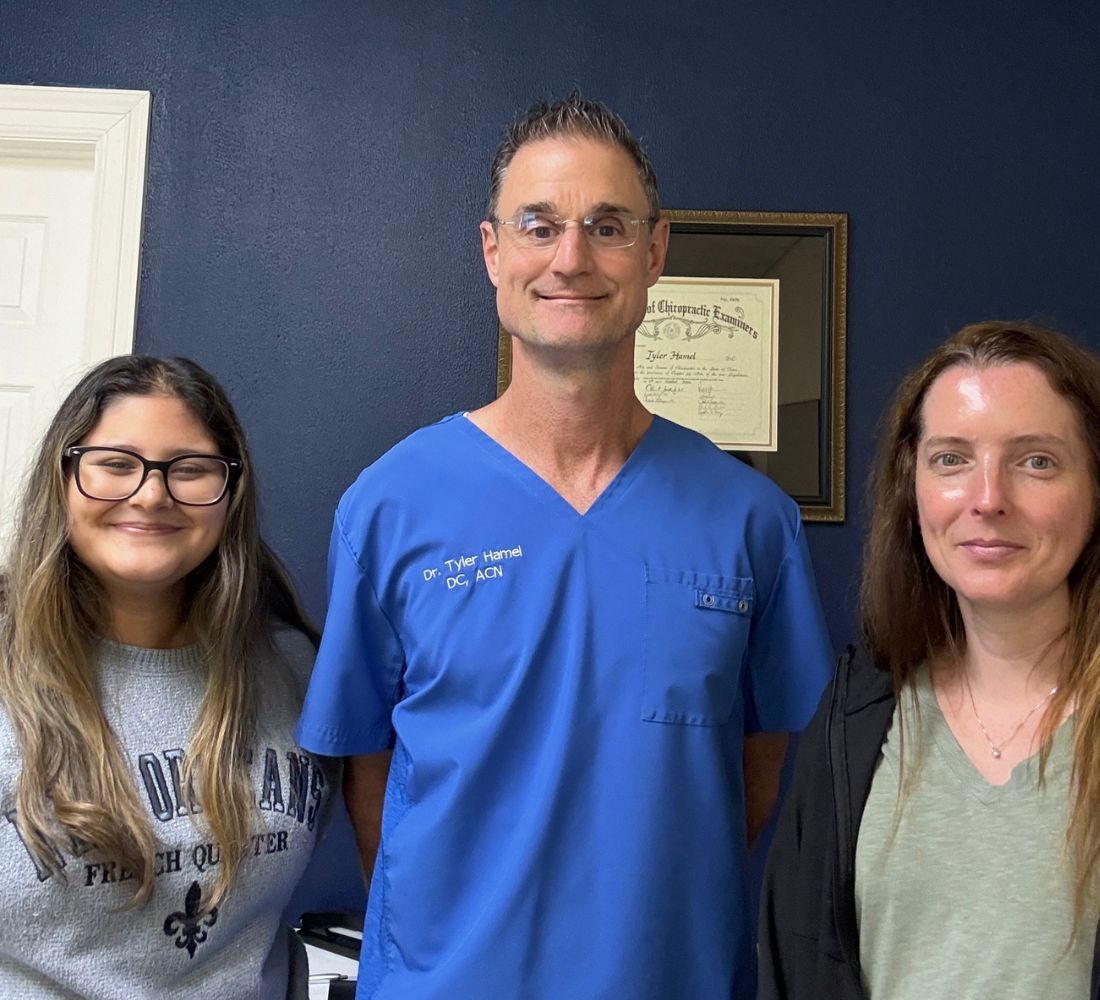
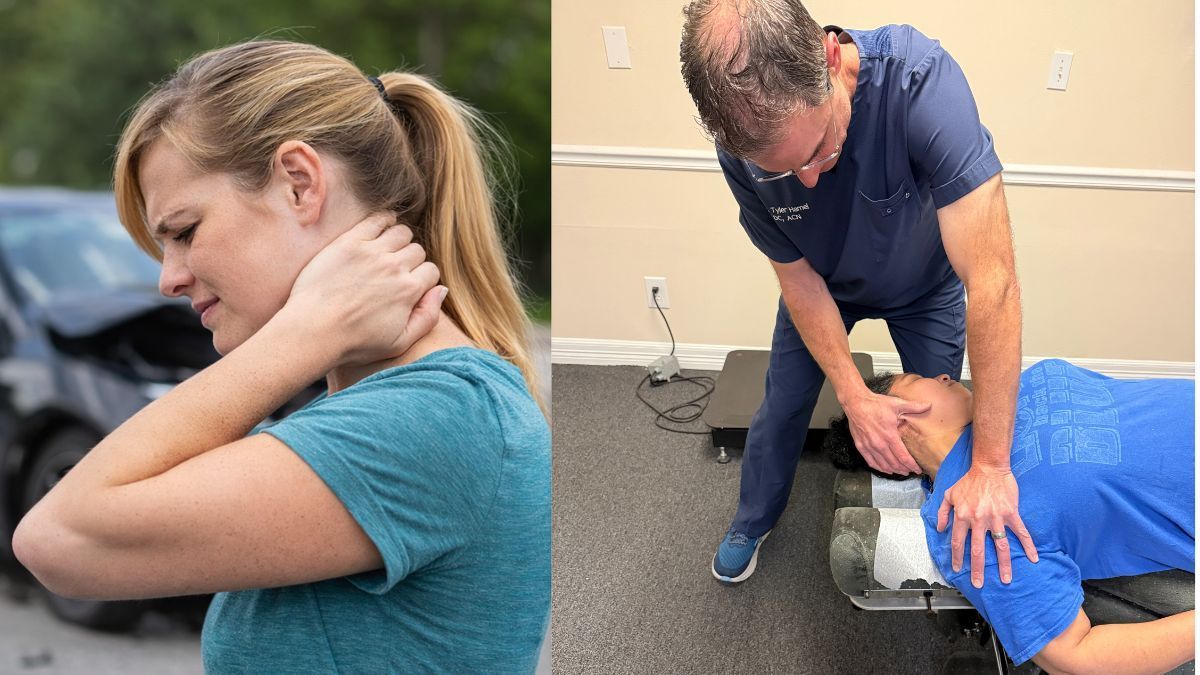
Dr. Tyler Hamel is an experienced chiropractor with over 25 years of clinical practice, specializing in the treatment of neck pain, back pain, and car accident-related injuries, including whiplash. As the owner of Kingwood Chiropractic Spine and Injury Center, he provides comprehensive, conservative care to patients in Kingwood and the northeast Houston area using chiropractic adjustments, corrective exercises, shockwave therapy, and cold laser therapy. Dr. Hamel frequently collaborates with attorneys and other healthcare providers in personal injury cases to ensure coordinated care, proper documentation, and appropriate referrals. A member of the Texas Chiropractic Association, he is committed to ongoing education and advancing clinical excellence while helping patients achieve lasting relief and improved function.
Recent Posts