Shockwave Therapy Benefits That Might Surprise You
Shockwave Therapy Benefits That Might Surprise You
Imagine a treatment that helps with chronic pain and boosts your body's healing. Shockwave therapy could be the answer you've been searching for. It helps with tissue repair and lowers inflammation. Discover how this therapy can change how you manage pain. Read on to see how shockwave therapy can be a game-changer for you if you are suffering with shoulder pain, knee pain, tennis elbow, plantar fasciitis or golfer's elbow.
Key Takeaways
- Shockwave therapy benefits are many, it helps stimulate the growth of new blood vessels and tissues, promoting increased blood flow and aiding natural healing.
- This therapy can significantly reduce or eliminate the need for pain medications or surgery.
- Compared to traditional surgical procedures, shockwave therapy is cost-effective with long-term results often evident after just a few treatments.
- The non-surgical and minimally invasive nature of shockwave therapy greatly reduces the risk of complications and side effects.
- With session lengths of only about five to ten minutes, patients can quickly return to daily activities, there is no downtime when getting this type of therapy.
- Over 80% of patients report satisfaction with the results of shockwave therapy. Patients are seeing improvements after the first visit, and many are experiencing significant recovery after 10 visits.
- Typical courses of therapy range from 10-24 visits. The first phase is to reduce inflammation and pain, the second phase begins tissue remodeling and healing. This works great for rotator cuff syndrome, knee osteoarthritis, plantar fasciitis and more.
What is Shockwave Therapy?
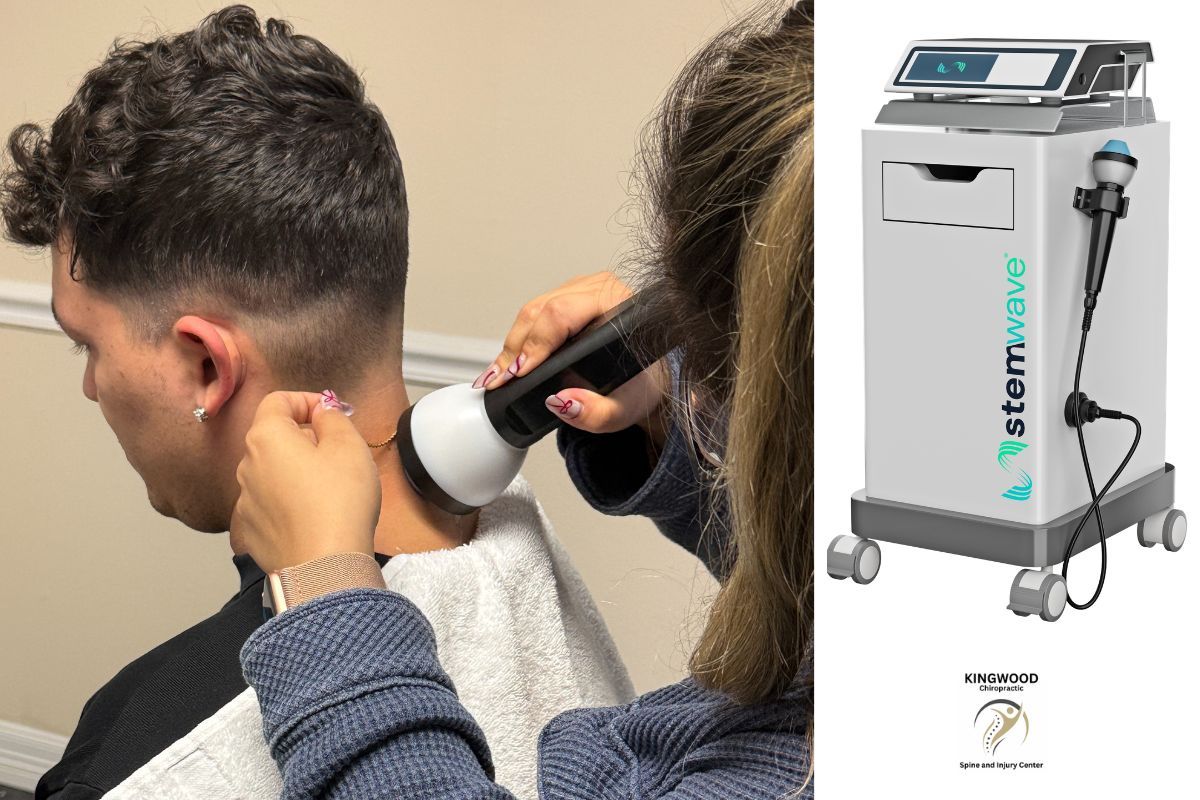
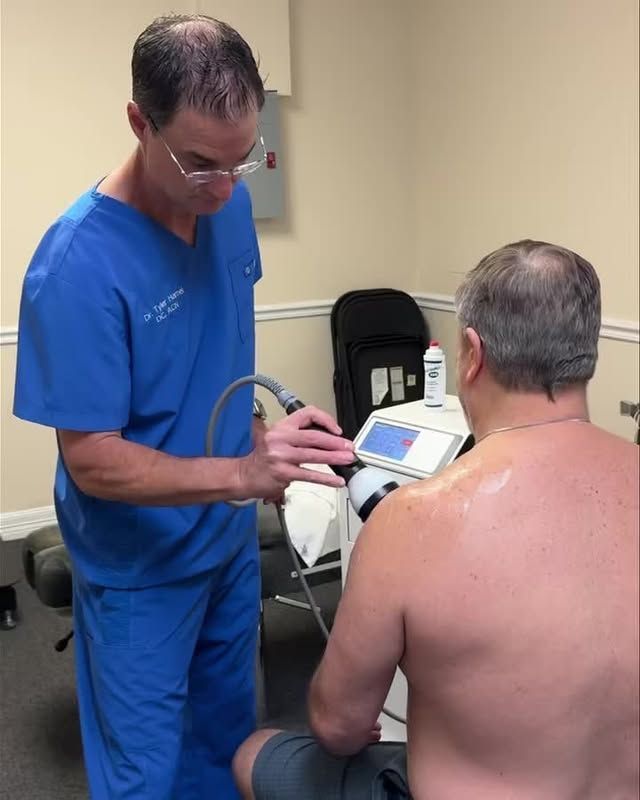
Shockwave therapy, also known as extracorporeal shock wave therapy (ESWT), helps the body heal naturally. It uses a device that looks like an ultrasound wand to send shockwaves to the injured area. These machines help create new tissue, bring in oxygen, improve blood flow, and stop pain signals.
Each treatment takes 5-10 minutes and is given by trained professionals. You'll need 10 treatments over 6-8 weeks for the initial phase. Depending on the expectations of the patient, (just pain relief, being active without pain or competing in physical competitions), the patients may receive anywhere from 10-24 sessions over 3-month time period. The best part is, it doesn't involve surgery or downtime, so you can move on with your day after treatment.
Remember not to take anti-inflammatory drugs like aspirin or ibuprofen before or after treatment. These can slow down the healing process.
Doctors such as chiropractors, orthopedics and physical therapists are now using shockwave therapy more often, thanks to FDA approval for conditions like rotator cuff impingement, knee osteoarthritis, tennis elbow and Achilles tendinitis. It's seen as safe and effective for many muscle, tendon and joint issues and also inflammatory conditions. It is very important to get ESWT done by experts to make sure you get the proper care you need.
Top places like Boston Children’s Hospital offer this therapy in Boston, Peabody, North Dartmouth, and Weymouth. It's a great choice for those looking for a quick, non-surgical way to ease pain and improve health. Locally in the Houston area, Dr. Hamel with Hamel Chiropractic and Wellness has been getting great results for knee pain, plantar fasciitis and shoulder pain relief.
How Shockwave Therapy Works
Shockwave Therapy, also known as Extracorporeal Shockwave Therapy (ESWT), uses high-energy sound waves to help heal injured tissues, cartilage and as a result ease pain. It's a non-invasive treatment that is becoming more popular because it works well and doesn't require a long recovery time. Let's explore how it works:
Formation of New Blood Vessels
A key benefit of ESWT is its ability to create new blood vessels. This is vital for fixing damaged tissues by improving blood flow to the area. Better blood flow means more oxygen and nutrients get to the healing tissues. A big issue with chronic knee and shoulder pain is that not enough blood flow, oxygen and other healing cells are not getting into the area to fix the problem. Shockwave therapy helps to reduce inflammation and kick-start the healing process naturally and this is why it is turning out to be one of the go-to, non-surgical treatments of choice. These days, says Dr. Hamel, not too many people are happy with the idea of taking strong pain medicine daily or the thought of having to get knee replacement or shoulder surgery, ESWT is a great alternative.
Reduction of Chronic Inflammation
Another big ESWT benefit is it helps reduce chronic inflammation. The therapy gets cells working better, which boosts metabolism and speeds up healing. By focusing on cell metabolism, it cuts down inflammation and helps you recover faster. If there is too much inflammation in an injured area, it just won't heal, ESWT does this better and more naturally than any other produce or modality out there.
Breakdown of Calcified Deposits
Shockwave therapy is great at breaking down hard deposits that can cause pain and limit movement. The high-energy sound waves hit these deposits, breaking them down. Then, the body absorbs them. Conditions like calcific tendinitis definitely show up with knee pain and shoulder pain; the acoustic soundwaves of ESWT help to break this up, we all know how painful a bone spur can be, getting rid of it will allow you to move again pain free.
Conditions Treated by Shockwave Therapy
Shockwave therapy benefits are outstanding, this therapy is great for treating many health issues. It helps with tendinopathies, bone injuries, soft tissue injuries, arthritis, and chronic pain. This treatment doesn't use surgery or medicine of any kind.
Tendon-Related Issues
Shockwave therapy works well for tendon problems. It helps with tennis elbow, golfer’s elbow, Achilles tendinitis, plantar fasciitis, rotator cuff tears, frozen shoulder and hip pain. People are coming in to get ESWT because most of them are not able to be active, and do the things they love to do. Patients say they are miserable because they can't: walk their dog, play with their grandkids, go to the gym, play pickleball, run, do cross-fit, travel or even walk up the stairs. If you want to be active and pain free, then shockwave therapy might be exactly what you are looking for.
Bone and Soft Tissue Injuries
Shockwave therapy also helps with bone and soft tissue injuries. It treats stress fractures, jumper’s knee, and heel spurs. The treatment includes 10 sessions, two each week for three weeks and then one time a week for 4 weeks. Each session is 5-10 minutes long, depending on the severity of the injury.
Chronic Pain Conditions
For those with chronic pain, shockwave therapy is a good option. It helps heal and reduce pain. People often feel better right after treatment. Sometimes, it takes a few weeks to see optimal results. Chronic pain always goes along with chronic inflammation; once the ESWT does its job; inflammation leaves and healing can begin. Most of the chronic pain conditions we see, says Dr. Hamel, are knee osteoarthritis; these patients have been suffering for over a year and they want an alternative to getting orthoscopic knee surgery or knee replacement surgery.
Side Effects and Considerations
The side effects of shockwave therapy are usually none or very mild. They include some discomfort, redness, and swelling. For most patients this feels like post exercise muscle soreness. There are certain conditions that are contraindicated with ESWT like cancer, bleeding disorders, pacemakers or active infection. Other conditions like diabetes can definitely slow the healing process down so these patients might take longer to respond. If you have had a Cortisone shot then you have to wait 30 days before getting your first shockwave therapy treatment.
Advantages of Shockwave Therapy
Shockwave therapy started in Germany in the late 1960s. It has grown a lot in the last 50 years. Now, it's widely used for treating many conditions. It's a non-invasive way to heal faster and use less pain medicine. Companies like StemWave and SoftWave have built units that can go in a doctor's office; we are seeing more and more chiropractors, sports medicine doctors and physical therapists now offering these treatments.
Non-Surgical and Minimally Invasive
Shockwave therapy is non-surgical so it means no cutting or injections. This is great for those who want to avoid surgery's risks and long recovery. It sends energy pulses to injured areas to boost blood flow, bring in oxygen and stem cells to stimulate healing. With this therapy you do not have to be laid up on the couch, you can get treatment and carry on with your regular daily activities. Remember that ESWT is a healing process; to lay down new fibers and tissues take about 6-8 weeks so please be patients and do not over do it while you are healing.
Accelerates Natural Healing
The ESWT or shockwave therapy benefits include speeding up healing, improved blood flow, recruitment of stem cells, reduced inflammation, and lessens swelling around the injured area. This lets your body fix damaged tissues more effectively. The ESWT take an opposite approach of mainstream medicine, it only activates your body's natural healing abilities; this is why it is so safe with little to no side effects.
Reduces Dependency on Pain Medication
Shockwave therapy can also cut down on pain medicine and muscle relaxer use. It targets the pain source, so you might not have to rely on painkillers for a long time. This is especially good for ongoing pain like osteoarthritis, frozen shoulder, Sciatica, Achilles tendonitis and plantar fasciitis, offering relief with few side effects.
| Treatment Frequency | Duration | Recovery Time |
|---|---|---|
| Three to five treatments over several weeks | 5-10 minutes per session | Return to activity right away, be careful not to irritate the area. |
| Advantages | Details |
|---|---|
| Non-Surgical | Avoid complications and recovery time associated with surgery. |
| Accelerates Healing | Promotes natural repair processes and faster recovery. |
| Reduces Medication Dependency | Addresses pain effectively, lowering the need for pharmaceutical intervention. |
| Effective for Chronic Conditions | FDA-approved for conditions like tennis elbow and plantar fasciitis. |
| Minimal Side Effects | Typically limited to slight bruising, numbness, and mild swelling. |
Learning about the benefits of shockwave therapy can help you decide if it's right for you. Using it with physical therapy can speed up healing. It's a good choice for managing chronic pain and injuries.
Shockwave Therapy Near Me
When you're looking for shockwave therapy near me online, make sure to choose a reputable clinic with skilled professionals. This non-invasive treatment has been FDA-approved since 2000 for issues like tendonitis, tendinopathies, biceps injury, adhesive capsulitis of the shoulder, carpal tunnel syndrome, heel pain and more.
For those seeking shockwave therapy, clinics like Hamel Chiropractic and Wellness offer specialized care. They have a 75% success rate for patients coming in with knee pain, patellar tendinitis, plantar fasciitis, arthritis and tennis elbow.
Before you book an appointment, here are some key points to know:
- Frequency and Duration: You'll need 6-8 weeks of shockwave therapy sessions, each lasting 5-10 minutes.
- Non-Coverage by Insurance: This treatment is usually paid out-of-pocket since insurance doesn't cover it. Some insurance like Blue Cross Blue Shield and Aetna will pay for an office visit and corrective exercises and therapy that goes along with ESWT.
- Non-Invasive and Safe: Shockwave therapy helps reduce chronic pain, improve activity levels, and aid in faster healing.
Choose shockwave therapy locations with good reviews and recommendations from healthcare experts. This ensures you get top-notch care and effective treatment.
Shockwave therapy is a non-surgical option for those wanting to avoid surgery. It can help with chronic lower back pain, neck pain, temporomandibular joint pain, and more.
For those dealing with chronic pain or injuries, shockwave therapy could be the answer. Talk to your healthcare provider to learn more about this beneficial treatment.
| Condition | Success Rate | Number of Sessions |
|---|---|---|
| Plantar Fasciitis | 75% | 10 |
| Tennis Elbow | 75% | 10 |
| Knee Osteoarthritis | 80% response rate | 10 |
Combination with Physical Therapy or Chiropractic
Using shockwave therapy with physical therapy or chiropractic can greatly improve patient results. This mix offers pain relief and tissue healing. It also adds to the manual therapy and exercises in physical therapy/chiropractic sessions.
Complementary Effects
Reviews show that shockwave therapy is a powerful tool in rehab. It helps those with chronic pain, muscle issues and joint damage. When added to chiropractic care or physical therapy, it boosts cell activity, blood flow, and collagen production. The results from chiropractic treatment or PT are greatly enhanced because the ESWT reduces inflammation and improves blood flow; without this the exercises don't give good results, in fact, sometimes they make the pain or the condition worse.
Cost-Effectiveness of Shockwave Therapy
Shockwave therapy is a new treatment that is getting a lot of attention for its benefits and cost-effectiveness. It has the potential to save money on medical bills over time. ESWT providers often offer package discounts on treatments to help offset the cost.
Lower Medical Expenses
Shockwave therapy costs about $99 to $250 per session. This might seem like a lot, but the FDA has approved it for treating conditions like lateral epicondylitis and plantar fasciitis. This means it works well and compared to the cost of surgery this is a minor investment.
It's non-invasive, so there are fewer complications and less downtime. You won't have to pay for expensive surgeries, pain medicine, Cortisone shotes, or arthritis medication. Instead, you can get a series of treatments that cost less, helping your body heal naturally.
Investment in Long-Term Health
Shockwave therapy does more than just save money right away. It helps with conditions like Achilles tendinopathy, frozen shoulder and knee pain leading to long-term health benefits. The initial phase of shockwave therapy is 6-8 weeks, after this most patients will come in for maintenance care once a month. Maintenance care helps to keep up the healing, bring in stem cells and other healing cells every session. Once you have an injury healed you want to make sure that you don't go backwards; once a month ESWT helps you maintain your gains.
The soundwaves help create new blood vessels and reduces chronic inflammation, giving you lasting healing and pain relief. Over time, you'll spend less on healthcare, making it a wise choice for your health. After 6-8 weeks of treatment, many people see great results, leading to a healthier, more active and pain free life.
Conclusion
Shockwave therapy offers many benefits for treating musculoskeletal issues and extremity injuries. It's non-invasive and can help heal naturally and lessen pain. Studies and patient reviews show it improves pain, function, and quality of life over time. When people are not constantly worried about pain, they are always happier and live a more fulfilled life.
It's especially useful for plantar fasciitis, a common condition that causes heel pain. Research shows it helps patients get better in just 12 weeks. This means fewer surgeries and less need for painkillers.
As more people and doctors learn about it, shockwave therapy is becoming a key part of musculoskeletal and extremity care. It gives good results with few side effects and quick recovery times. With ongoing studies supporting its benefits, shockwave therapy is set to play a bigger role in healthcare in the Houston area.
FAQ
What are the benefits of shockwave therapy?
Shockwave therapy is non-surgical and minimally invasive treatment that naturally stimulates your body to heal itself. It kick-starts natural healing and reduces chronic pain. It's great for treating tendon issues, bone and soft tissue injuries, and chronic pain.
What is ESWT, extracorporeal shock wave therapy?
Extracorporeal shock wave therapy (ESWT) is a non-invasive treatment. It uses acoustic waves that are focused on and penetrate deep into injured areas like the knee, shoulder and foot. It promotes tissue regeneration, increases blood flow, and relieves pain, making it a good alternative to surgery for conditions such as frozen shoulder, plantar fasciitis, rotator cuff syndrome, medial epicondylitis and osteoarthritis.
How do shock wave therapy machines work?
Shockwave therapy machines send high-energy acoustic waves to the injured area with a handheld device. These waves help form blood vessels, reduce inflammation, and break down scar tissue and calcifications. By promoting this natural healing process; the body can now recover, getting patients back to being active and pain free. The two top manufacturers of shockwave therapy machines are StemWave and SoftWave; make sure you go to a local ESWT providers who is using one of these machines to get the best results.
What can I expect during a shockwave therapy session?
In a shockwave therapy session, a clinician uses a device on the affected area. The session lasts 5-10 minutes. Most people feel little to no pain. You will feel a little discomfort from the soundwaves because they are penetrating deep to where the injury is and where all of the inflammation is. You will have certain areas, say in the shoulder, foot or knee where you feel the shockwaves more intensely; these are the areas that are most damaged and most inflamed. The discomfort does not last long, most patients feel a different after the first treatment; the healing process takes 6-8 weeks so be patient with your recovery.
Are there any side effects of shockwave therapy?
Shockwave therapy is usually safe. Some might see mild side effects like redness, swelling, or bruising. These usually go away in a few days.
How effective is shockwave therapy for chronic pain?
Shockwave therapy is effective for chronic pain in conditions like plantar fasciitis, rotator cuff syndrome and tennis elbow. It helps by stimulating healing in the body, reducing pain, and improving function. Chronic pain means there is chronic inflammation in an injured area, (shoulder, knee, hip, elbow, foot), and it is not going away; ESWT helps improve this.
Can shockwave therapy be combined with physical therapy or chiropractic treatment?
Yes, combining shockwave therapy with chiropractic care or physical therapy works well. The therapy helps with tissue regeneration and pain relief. This complements physical therapy exercises, chiropractic adjustments and overall speeding up recovery.
How much does shockwave therapy cost?
Shockwave therapy costs vary by location, clinic, and condition severity. It's often cheaper than surgery and may need fewer sessions. It offers long-term benefits. The average cost of a shockwave therapy session is from $99-$250; most offices offer discount packages of 10 visits to help save patients money.
What is the best way to find shockwave therapy near me?
To find shockwave therapy near you, look for clinics with qualified clinicians. Choose a reputable clinic with good patient testimonials and reviews. Use online directories, clinic websites, and ask healthcare providers for recommendations.
What else can I do to help enhance the benefits of shockwave therapy treatment?
At Hamel Chiropractic and Wellness, Dr. Hamel specifically recommends a couple of things. First start taking Glucosamine Sulphate and Fish Oil to help with joint support and inflammation. Second make sure to do corrective exercises, (but not too intense), during the healing process. Lastly healing takes time so be patient, if you are doing things to irritate your knee pain, elbow pain, or shoulder pain during the shockwave therapy protocol; your chances of success are diminished.
Can shockwave therapy be used for erectile dysfunction?
Yes, there is a company called GainsWave that specifically uses shockwave therapy for erectile dysfunction. For chiropractors, PT's and orthopedic doctors they are using StemWave and SoftWave which focuses primarily on musculoskeletal and extremity injuries and chronic pain but not erectile dysfunction.
About Dr. Tyler Hamel
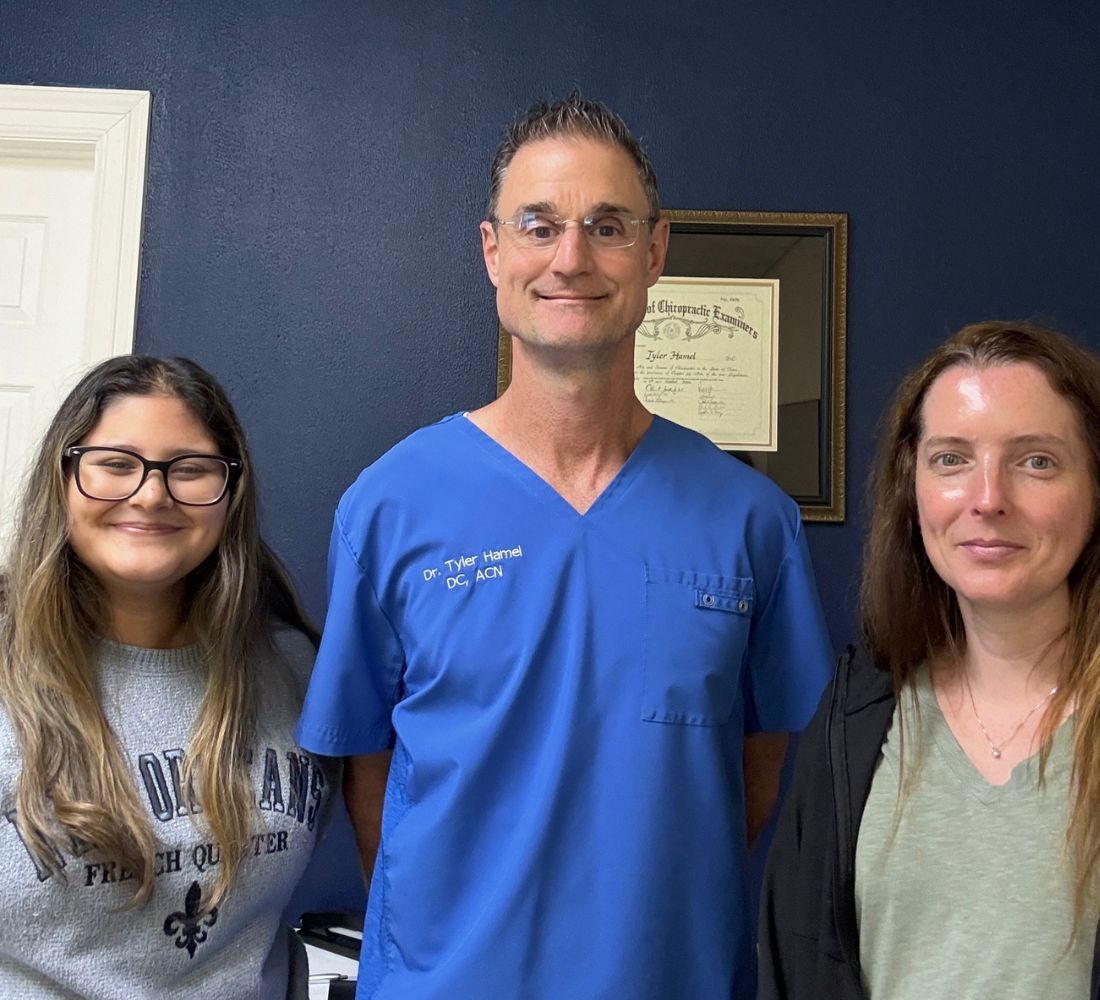
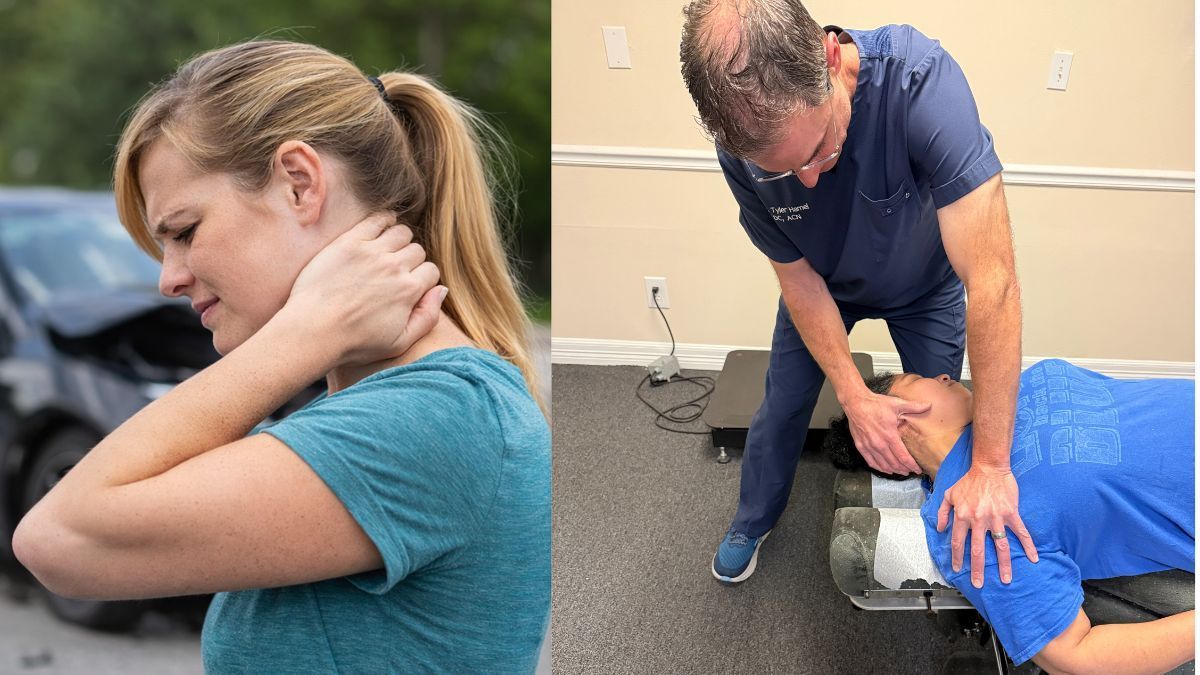
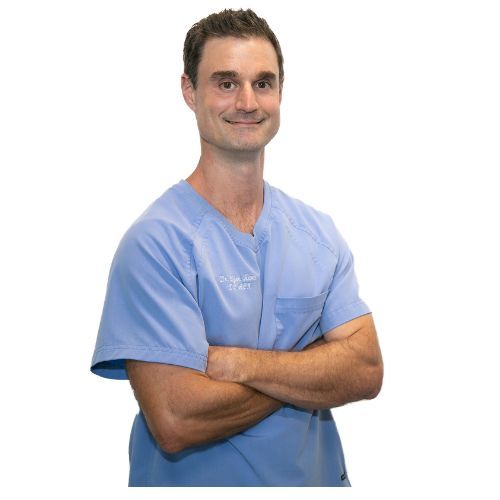
Dr. Tyler Hamel is an experienced chiropractor with over 25 years of clinical practice, specializing in the treatment of neck pain, back pain, and car accident-related injuries, including whiplash. As the owner of Kingwood Chiropractic Spine and Injury Center, he provides comprehensive, conservative care to patients in Kingwood and the northeast Houston area using chiropractic adjustments, corrective exercises, shockwave therapy, and cold laser therapy. Dr. Hamel frequently collaborates with attorneys and other healthcare providers in personal injury cases to ensure coordinated care, proper documentation, and appropriate referrals. A member of the Texas Chiropractic Association, he is committed to ongoing education and advancing clinical excellence while helping patients achieve lasting relief and improved function.
Recent Posts