Is Shockwave Therapy Painful? What To Expect During Treatment
Shockwave therapy is a non-invasive way to treat musculoskeletal issues. It's seen as an alternative to surgery, which can be expensive and invasive. If you're looking for pain relief, you might ask your doctor, is shockwave therapy painful? It's important to know about the discomfort you might feel, especially if you have certain medical conditions that may slow down or prevent your body to heal and repair.
This therapy was first developed in Germany over 50 years ago. It helps most patients feel better who are dealing with chronic back pain, frozen shoulder, tennis elbow, plantar fasciitis, and Achilles tendinitis. Most patients are a little bit tentative and always ask the doctor, " is shockwave therapy painful
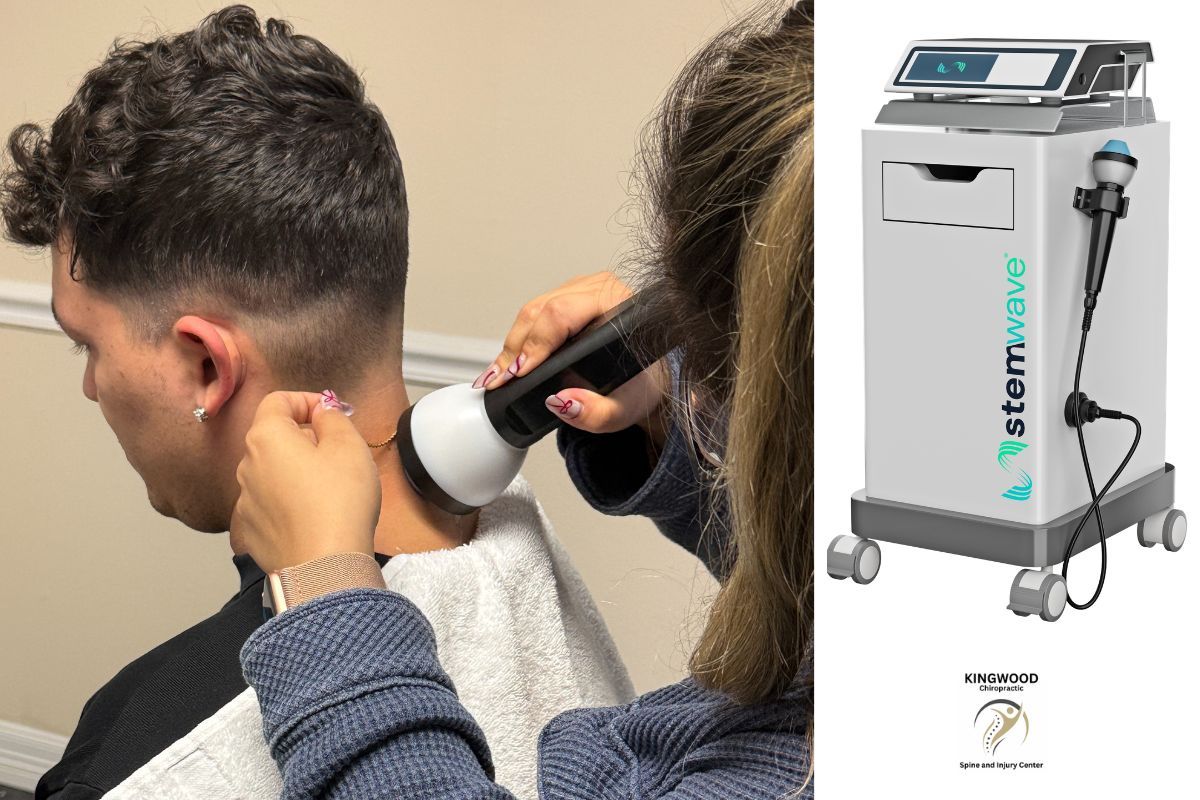
", the facts are that the machine actually produces sound waves that penetrate deep into the injured area which stimulate healing. The patient does not feel any kind of shock during the treatment.
If you are concerned about trying shockwave therapy for your chronic pain? Don’t be! Despite its name, this non-invasive treatment is far gentler than you might expect. In fact, many patients feel little to no discomfort during the process, and the relief it brings can be life-changing. Here’s what you can expect, and why shockwave therapy might be the key to getting you back to pain-free living.
Key Takeaways
- Shockwave therapy is approved by NICE for treating musculoskeletal pain.
- Most patients find overall discomfort mild, with mild side effects like bruising and redness.
- This therapy effectively treats conditions such as tennis elbow, low back disc herniations, lateral epicondylitis, patellar tendinitis, bone on bone knee pain, rotator cuff impingement, calcific tendinitis, biceps tendinopathy and neuropathy.
- Typically, 8-10 sessions are required for optimal results over the course of 6-8 weeks. More serious injuries can take longer to heal and more sessions.
- Shockwave therapy is a cost-effective alternative to surgery, the average cost of extracorporeal shockwave therapy, (ESWT), in the Houston, Texas area is $125 per session. Treatment plans can be anywhere from $1000-$2400, however, compared to surgery, it is very affordable.
- It may enhance recovery when combined with physical therapy or chiropractic care. The shockwave therapy can help to reduce inflammation which is a big part of why an injury doesn't heal. When the inflammation is reduced; this is an opportune time to bring in corrective exercises to help stabilize a knee, low back, elbow or shoulder.
Understanding Shockwave Therapy
Shockwave therapy, also known as Extracorporeal Shockwave Therapy (ESWT), is a non-invasive treatment. It uses acoustic waves to help heal and repair musculoskeletal conditions. This method aims to boost the body's natural healing powers, offering hope for those with chronic pain and soft tissue injuries.
What is Shockwave Therapy?
This therapy sends shockwaves to specific body areas. It's great for treating injuries like plantar fasciitis, Achilles tendinopathy, and tennis elbow. The therapy helps heal tissue by improving blood flow and releasing growth factors. Healthcare professionals such as orthopedic doctors, chiropractors, physical therapists and sports medicine doctors are all getting on board with this non-invasive therapy.
A typical treatment plan includes three to five sessions over weeks. Each session is about 5-10 minutes long. ESWT is only now becoming very popular, most people dealing with chronic pain are unsure about this treatment, and they are asking their doctor, is shockwave therapy painful? The truth is that the shockwave therapy machine, StemWave or Softwave; has an electrode that produces a shock in water, that shock turns into a soundwave which goes through an ultrasound gel and penetrates deep into the injured area. Many patients think they are going to get shocked, which the word itself makes people uncomfortable; but it is not that, it uses high intensity acoustic sound waves.
How Does Shockwave Therapy Work?
First, focused shockwaves are sent deep into the tissue, up to six centimeters. These waves agitate the injured tissues, this creates a healing response that helps regenerate and heal cells, easing pain from conditions like tendinopathy. Many wonder, is ESWT painful? But most find it only a bit uncomfortable, the areas where you have the most injured tissues and the most inflammation, this is where you are going to feel the waves the most.
After treatment, you might feel some soreness and redness at the site, but these side effects usually go away quickly, within a couple of hours.
| Aspect | Details |
|---|---|
| Treatment Sessions | 8-10 sessions over 6-8 weeks; severe cases 20-24 sessions over 90-120 days |
| Duration of Each Session | 5-10 minutes |
| Pulse Count | Approximately 400-500 pulses per session |
| Immediate Effects | Most patients feel results after the first treatment. Average improvement: 5-15% in pain and mobility |
| Typical Recovery Time | Return to activities immediately; avoid intense exercise that could aggravate the condition |
| Complications | Rare; usually temporary redness or swelling |
| Patient Age Restrictions | Available for patients 18+; younger patients may receive ESWT but only on injured muscle tissues, not over joint lines |
| Accessibility | Locations: Houston, Texas area |
Learning about shockwave therapy can ease worries about discomfort. It's a thorough solution for those looking to ease persistent pain, aid in injury recovery and hold off or entirely prevent surgery.
Benefits of Shockwave Therapy
Shockwave therapy is great for those suffering with chronic, painful musculoskeletal conditions. It's a non-invasive way to treat soft tissue injuries, calcifications and neuropathies. Many patients see significant improvements after a few sessions, and full recovery within 10 sessions. If the injury is severe, such as post-surgical lumbar fusion, rotator cuff tears, bone on bone cartilage degeneration, later stage knee osteoarthritis, or severe whiplash car injuries, the treatment plan can take longer for full recovery, up to one year.
Conditions Treated by Shockwave Therapy
Shockwave therapy can help with many health issues. Here are some examples:
- Achilles tendinopathy
- Plantar fasciitis
- Shoulder rotator cuff syndrome
- Lateral epicondylitis (tennis elbow)
- Knee osteoarthritis
- IT band syndrome
- Chronic spasticity in neurological conditions
- Golfer's elbow
- Calcific tendinitis
- Hip Pain
- Jumper's Knee
- Meniscus tears
- Neuropathies
- Carpal Tunnel Syndrome
Effectiveness and Recovery
People often feel less pain and more mobility right after shockwave therapy. The treatment usually takes 8 to 10 sessions, 5-10 minutes each, a couple times a week for 6 to 8 weeks. Full recovery from post-surgical knees, shoulder, or elbows can take up to one year and 24+ ESWT sessions.
Many patients see relief from pain within 24 to 48 hours. Studies show it helps by improving blood flow, making more collagen, bringing in more healing cells to the area and reducing swelling. This means patients can get back to their daily life faster and with less pain.
Is Shockwave Therapy Painful?
Many people ask, " Is shockwave therapy painful
?" They wonder what to expect during the treatment. Most patients say they feel little to no pain during the session. It feels like a gentle fluttering or pulsing on the skin, not intense pain. For those areas that are most injured and inflamed, the patient will definitely feel more discomfort; but that is just the healing process.
Patient Experiences of Discomfort
Patients often report that shockwave therapy doesn't hurt much, and the discomfort is short-lived. Sessions last about 5-10 minutes, and most people get through them easily. They describe the feeling as a rhythmic tapping, which helps them stay calm.
Factors Influencing Pain Levels
The pain level during shockwave therapy can change for several reasons. These include:
- The specific injury being treated
- The location of the treatment, getting closer to joints and bones is a little more sensitive compared to going over muscle.
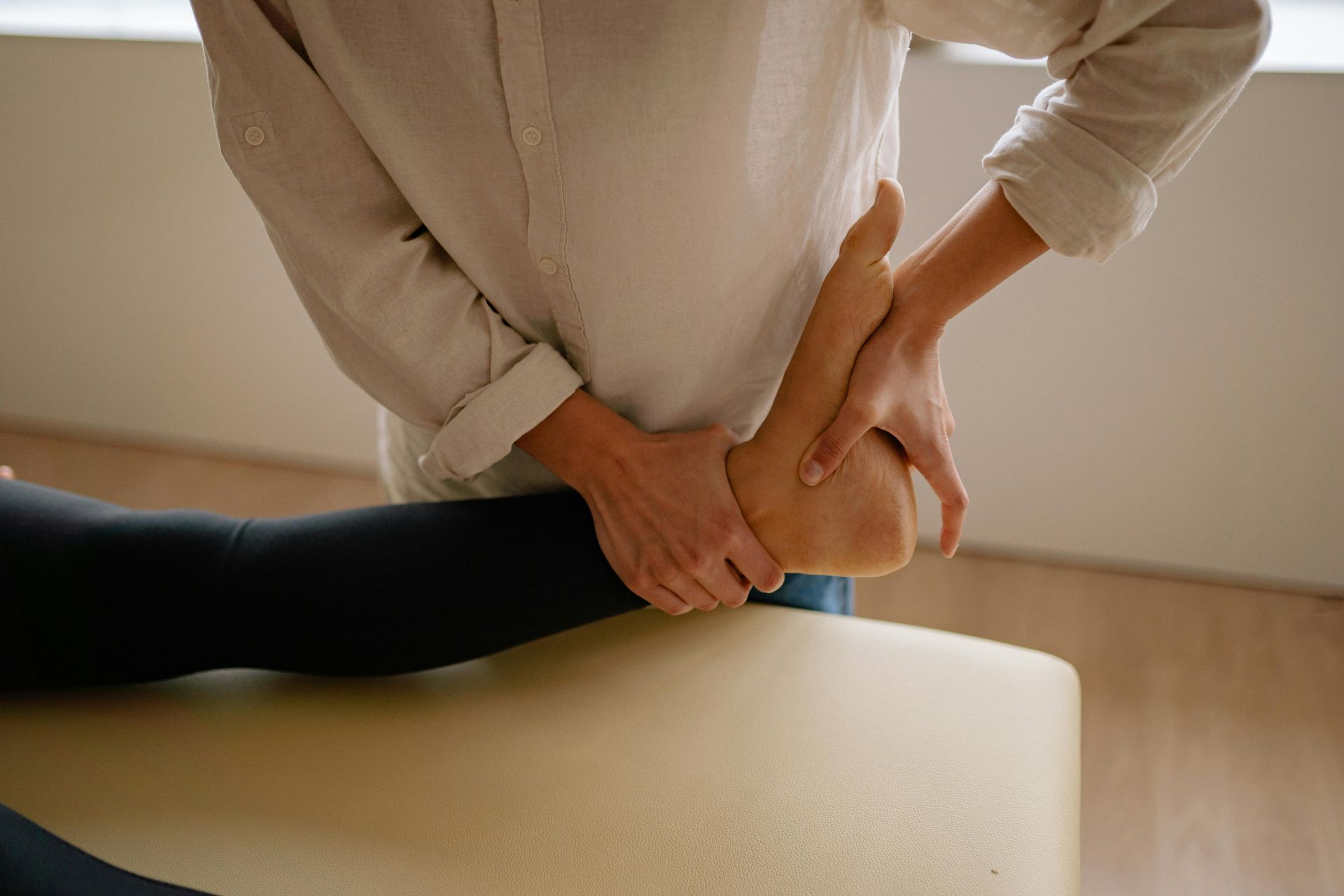
- The proximity of the affected area to bone, smaller areas like the hand and foot do not have that much muscle and lots of little bones and joints. Working on wrists and feet can be a little bit more uncomfortable when the sound waves hit the injured areas.
- If the patient has other medical conditions that predispose them to slower healing like Diabetes, auto-immune conditions, or bleeding disorders.
Doctors also adjust how intense the treatment is based on how much you can handle, usually the first couple of visits the doctor will set the intensity lower so that you can get used to the feeling of the therapy. They also use topical ultrasound gel to help conduct the sound waves through the skin and into the injured area; this does make it more comfortable. With these steps, most patients find the experience positive and beneficial.
What to Expect During Your Treatment Session
Before starting shockwave therapy, it's key to prepare well, this makes the experience smoother. Knowing what happens during the session can ease worries about pain and discomfort. It is always good to know what to expect from a shockwave therapy session, the doctor will make sure you are comfortable at all times.
Preparation for Shockwave Therapy
Avoid taking non-steroidal anti-inflammatory medications (NSAIDs) for two weeks before your treatment, if you had a Cortisone shot it is best to wait 30 days. The therapy works better when medicine is not blocking the healing process. Talk to your doctor about any health issues or medicines you take to see if shockwave therapy is right for you. Make sure to note any conditions like pregnancy, infections, recent steroid shots, or blood clotting issues to stay safe during therapy.
Steps of the Treatment Procedure
Your clinician will first check the area to be treated. Then, a special gel is applied to help the shockwaves work better. The treatment takes 5 to 10 minutes, where the device sends about 500-1000 shocks to the area. The treatment plan is usually 2 times per week to get the best outcomes for ESWT.
Right after, you can leave the office and continue on with usual activities, just do not do anything intense or that may interrupt the healing process. Many people feel less pain right away, but some might feel a bit sore. Let your body heal, you have to rest and recover for 6-8 weeks for tissues to heal and regenerate. You can still do exercises or activities that cause little to no pain.
Managing Shockwave Therapy Discomfort
Many people feel some discomfort during shockwave therapy, it is short lived and usually goes away right when the treatment is done or a couple hours after. Talking to your doctor about how you feel is important, they can adjust intensity of the shockwaves to make it easier for you.
Reducing Pain During Treatment
Knowing about the possible side effects of shockwave therapy helps you manage pain better. During the treatment, try relaxing or doing breathing exercises to lessen the discomfort. During the session, when the healing shockwaves are penetrating deep into the injured area, the discomfort level should be about a 4-6 out of 10. The patient should definitely feel something; this means that healing is taking place. If during the session, the discomfort level is 8 or higher, let the doctor know so they can reduce the intensity of the waves. Most patient's asking the doctor is shockwave therapy is painful
?, soon find out that is is little to no discomfort, and the relief you feel after the treatment is amazing.
Post-treatment Care and Tips
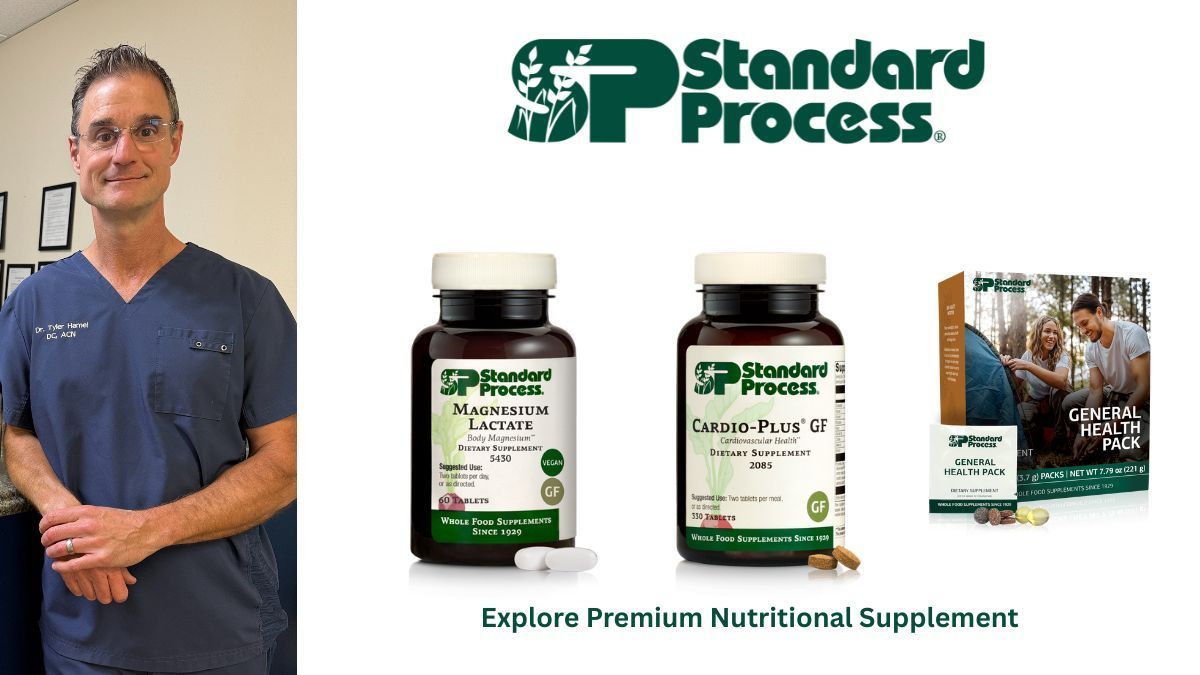
Right after treatment, you might feel a bit sore or tender. Taking over-the-counter pain relievers can help, but avoid taking too much anti-inflammatories. Inflammation is part of the process of healing, so you do not want to limit this during the 6-8 weeks of your shockwave therapy protocol. Drinking plenty of water and doing gentle stretches or light activities can help you heal faster. Make sure you are getting plenty of rest which will help you heal and repair more effectively. You can also take nutritional supplements that naturally support healing and repair during the 6-8 weeks like Glucosamine Sulfate, Ligaplex, Magnesium Lactate, Vitamin D, Olprima DHA/EPA Fish Oil and Gotu Kola.
FAQ
Is shockwave therapy painful?
Many people say it's not very painful. They feel only a little discomfort during the treatment. Remember as the patient having an injury; you are supposed to feel some discomfort during the shockwave therapy session; it is normal.
Does shockwave therapy hurt while receiving treatment?
It feels like the skin is getting a gentle pulse or tap, you may feel like your injured area is getting irritated a little bit; this is just the increased circulation and extra oxygen and stem cells coming to the area. Always let your shockwave therapy provider know how you are feeling throughout the treatment; they can both decrease or increase the intensity to meet your needs.
What can I expect in terms of pain relief with shockwave therapy?
Many patients for knee pain, shoulder pain and plantar fasciitis feel positive changes after the first visit, this might be an improvement of 5-15% in pain reduction and improved mobility. With each successive ESWT treatment; more healing happens and the patient continues to feel better and better, more active and less pain.
What is shockwave therapy?
It's a way to help your body heal without surgery. It uses sound waves to treat injuries and chronic pain. These high intensity sound waves reduce inflammation, boost circulation and bring in healing agents like oxygen, nitric oxide,
Is ESWT painful? What is the difference in Focused and Unfocused Shockwave Therapy?
Extracorporeal shockwave therapy is a form of focused shockwave therapy. Focused just means that the sound waves are most focused and targeted to an area, like the medial meniscus of the knee, the supraspinatus tendon of the shoulder, the plantar fascia or lateral elbow. The focused shockwave therapy seems to be the most common form for treating musculoskeletal injuries; the machine is made by StemWave. Unfocused waves are just that, they cover a wider area but not as deep. If you have chronic pain that is not getting any better no matter what treatments you have tried, seek out providers in your area that are using StemWave or SoftWave machines, these companies have done the most researching and testing.
What factors influence pain levels during shockwave therapy?
The pain depends on the injury type, location, and how close it is to the joint or bone. Your personal pain threshold also matters. You should feel a discomfort level of 4-6 out of 10 during your shockwave therapy session; this just means healing is taking place.
What conditions are treated by shockwave therapy?
It helps with Achilles tendinitis, plantar fasciitis, low back disc herniations, tennis elbow, knee osteoarthritis, biceps tendinopathy, jumper's knee, and calf strains.
How effective is shockwave therapy for recovery?
Studies show that doing 8-10 sessions for non-complicated injuries produces great results, for more complicated injuries and conditions it can take 24 or more sessions. EWST is very effective, this is a treatment that you don't have to wait months to feel better. If a patient is getting shockwave therapy on their knee, shoulder or elbow and not seeing improvement after 3 sessions; it most likely is not going to work.
How do I prepare for my shockwave therapy appointment?
Don't take anti-inflammatory drugs for two weeks before your appointment. Get plenty of rest the night before, be well hydrated the day of your treatment. Wear loose fitting clothing that you can roll up so the doctor can get the shockwave therapy directly on the area of concern, shockwave therapy does not work through clothing.
What happens during a shockwave therapy session?
First, the clinician checks the area to be treated. Then, they apply an ultrasound gel and use a device to send sound waves into the injured area for 5-10 minutes. The patient will feel some irritation, especially in the areas where there is more inflammation and damaged tissue, this is part of the healing process.
How can I manage discomfort during shockwave therapy?
Talk to your clinician about how you feel during the session. They can adjust the treatment and intensity of the waves. The discomfort should only be a 4-6 out of 10 and the session lasts for only 5-10 minutes. After a few sessions the patient knows what to expect and it is easy for them to relax and enjoy the treatment.
What should I do after shockwave therapy?
Avoid doing too much intense exercises or activities that can reinjure the area for at least 48 hours. Using over-the-counter pain relievers and ice packs to relieve any kind of soreness or inflammation.
Are there any side effects associated with shockwave therapy?
You might feel a bit sore or tender after. But most side effects go away quickly and are easy to manage. There are really no side effects to shockwave therapy.
How can I minimize shockwave therapy pain?
Drink plenty of water, do some easy stretches and exercises and take some over the counter pain medicine if necessary. You can also take nutritional supplements to help with pain and joint support like Glucosamine, Ligaplex, Gotu Kola, Fish Oil and Magnesium.
Source Links
- https://www.kingedwardvii.co.uk/health-hub/managing-pain-with-shockwave-therapy
- https://www.webmd.com/pain-management/what-is-shockwave-therapy
- https://www.childrenshospital.org/treatments/shockwave-therapy
- https://utswmed.org/medblog/sports-injuries-shockwave-therapy/
- https://www.uchealth.org/today/shockwave-therapy-can-help-those-who-have-chronic-injuries/
- https://www.thepodiatrygroup.com/2022/08/19/what-exactly-is-shockwave-therapy-and-how-do-its-benefits-work/
- https://www.mayoclinic.org/medical-professionals/physical-medicine-rehabilitation/news/the-evolving-use-of-extracorporeal-shock-wave-therapy-in-managing-musculoskeletal-and-neurological-diagnoses/mac-20527246
- https://softwaveclinics.com/blog/what-does-shockwave-feel-like/
- https://my.clevelandclinic.org/canada/services/shockwave-therapy
- https://www.blackberryclinic.co.uk/articles/what-to-expect-from-a-shockwave-treatment-session/
- https://complete-physio.co.uk/services/shockwave-therapy/
- https://onewelbeck.com/treatments/shockwave-therapy/
- https://www.ncbi.nlm.nih.gov/pmc/articles/PMC10648068/
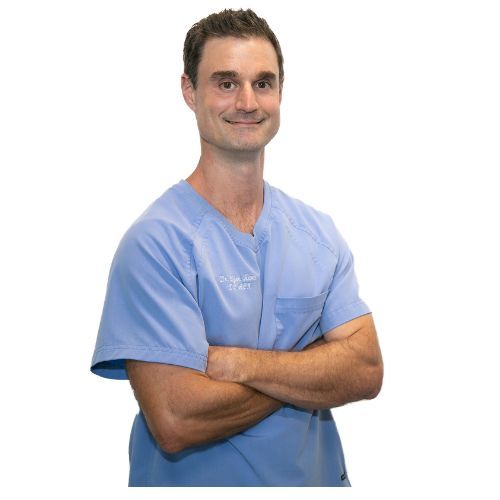
About Dr. Tyler Hamel
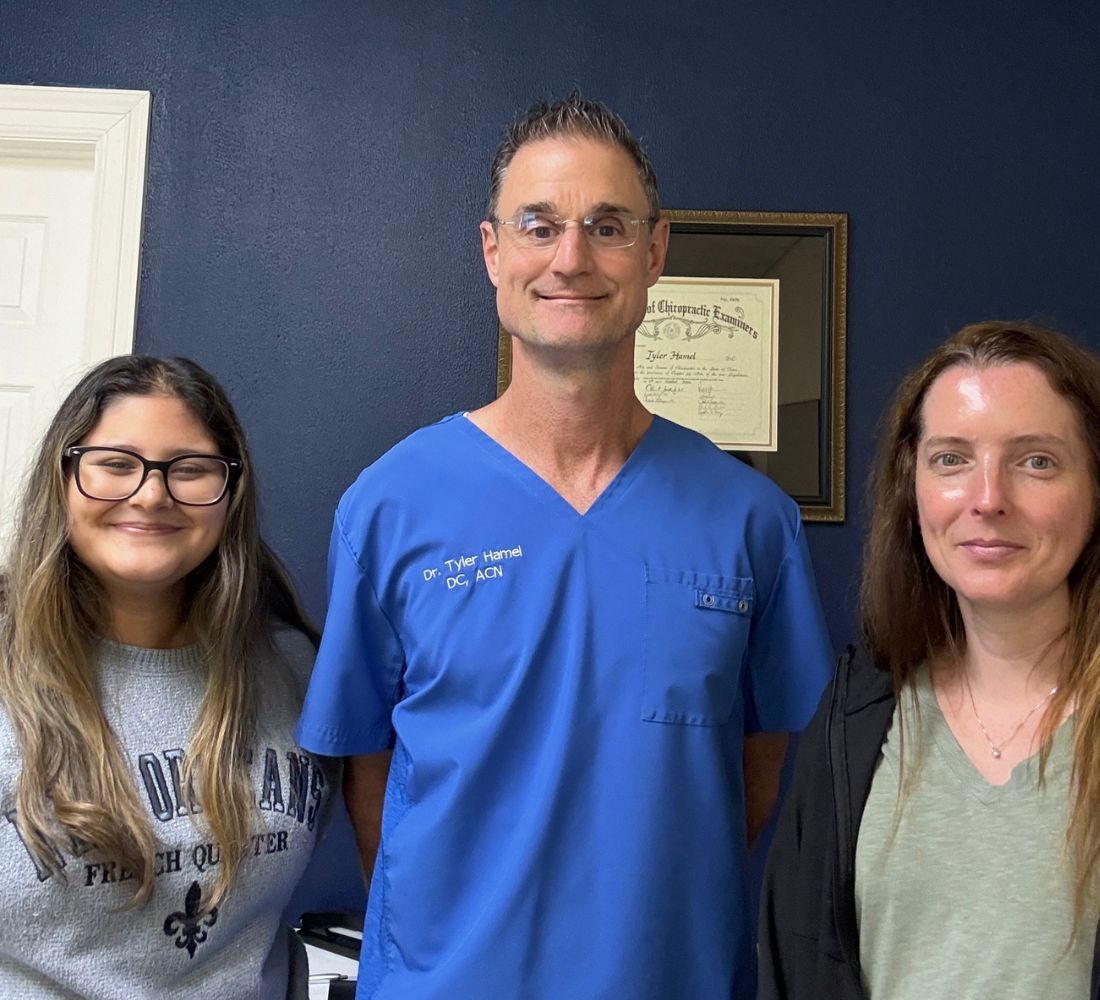
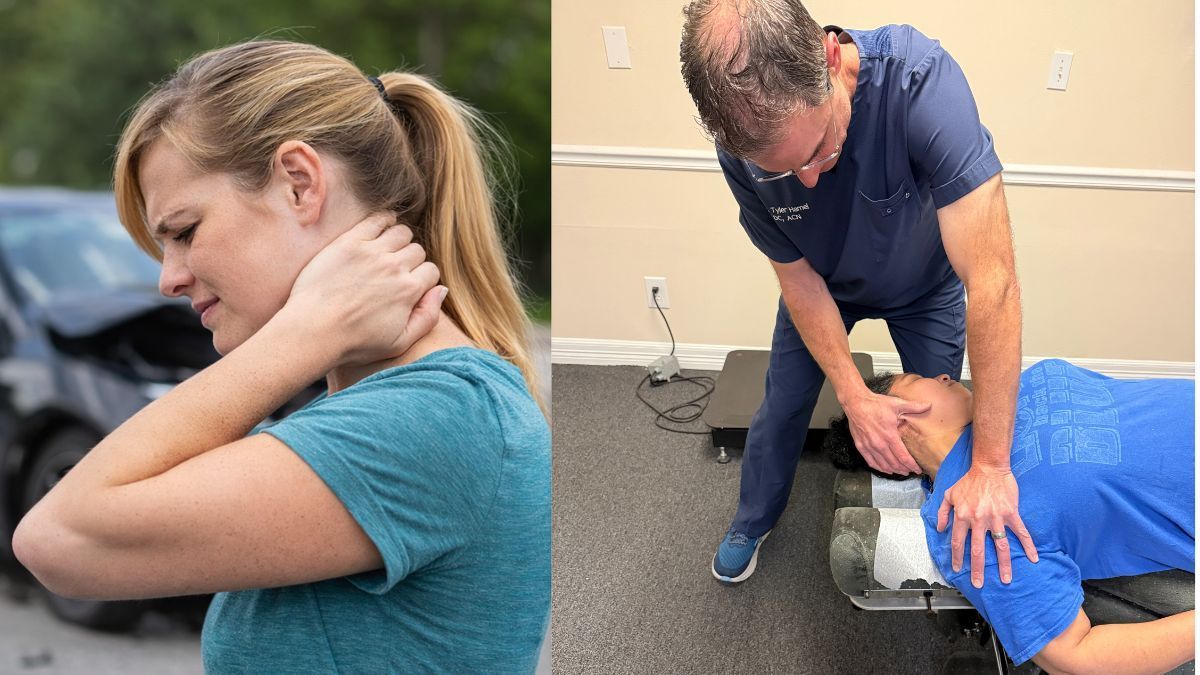
Dr. Tyler Hamel is an experienced chiropractor with over 25 years of clinical practice, specializing in the treatment of neck pain, back pain, and car accident-related injuries, including whiplash. As the owner of Kingwood Chiropractic Spine and Injury Center, he provides comprehensive, conservative care to patients in Kingwood and the northeast Houston area using chiropractic adjustments, corrective exercises, shockwave therapy, and cold laser therapy. Dr. Hamel frequently collaborates with attorneys and other healthcare providers in personal injury cases to ensure coordinated care, proper documentation, and appropriate referrals. A member of the Texas Chiropractic Association, he is committed to ongoing education and advancing clinical excellence while helping patients achieve lasting relief and improved function.
Recent Posts