As the number of Americans living with cardiometabolic diseases seems to rise each year, it has never been more critical to understand dietary management’s role in chronic disease prevention. Although it is not new news that better nutrition is recommended for a healthy lifestyle, it is now considered by many professionals to play a more pronounced role in chronic disease prevention. This means that improvements in diet could potentially enrich a person’s overall quality of life, as well as add years to it. Getting with a chiropractor or wellness doctor to recommend a nutrition plan with the right
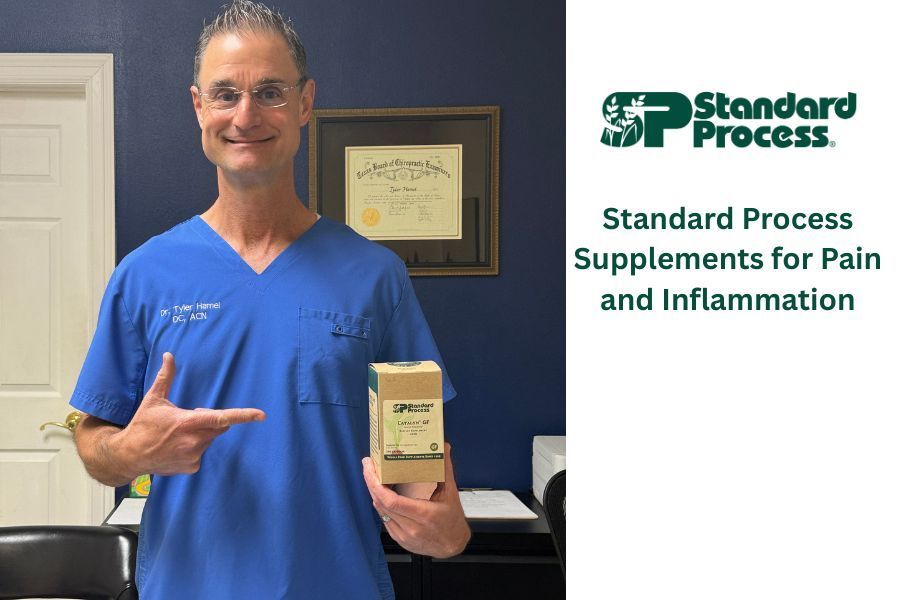
Standard Process whole food nutritional supplements is important in your health journey.
Signs of Cardiometabolic Disease
A cardiometabolic disease is one that involves a number of health issues centered around both cardiovascular conditions as well as metabolic dysfunction.
These diseases can be characterized by cardiovascular conditions such as:
- Angina
- Heart attack
- High blood pressure
- Stroke
- Other disorders
A combination of metabolic dysfunctions such as the following are often associated with cardiometabolic disease, coming up with the right nutritional strategy and whole food supplements is paramount to support these conditions:
The Negative Effects of Cardiometabolic and Chronic Disease
The combination of the above conditions that may signal the existence of a cardiometabolic disease can have two staggering effects on an individual:
- Fewer years without disability. Experiencing a stroke, heart attack, or diabetes can leave an individual with some disabilities. A heart attack may leave the organ weaker and less efficient. A stroke may leave an individual without normal use of certain parts of the body. Diabetes requires the patient closely monitor their daily health to prevent an emergency situation.
- A reduced lifespan. While some strokes and heart attacks may leave an individual simply impaired, some can be fatal.
While healthcare technology is constantly evolving to create scientific breakthroughs, there has yet to be a “magic pill” invented that can reduce the risk of serious conditions related to cardiometabolic disease such as diabetes, obesity, and heart disease.
Without a comprehensive breakthrough treatment in sight, the focus needs to shift to more proactive measures in preventing cardiometabolic disease such as dietary management.
Prevention of Cardiometabolic and Chronic Disease
The steps an individual takes to ensure they have an optimum chance to live a long and healthy life surrounded by the people they love all starts with prevention.
While it is never too late to start taking better care of yourself and your current state of health (whatever that is), being proactive in prevention typically yields better quality and longevity of life. Dr. Hamel promotes the basics, adding the right healthy habits to your daily routine and getting rid of anythign else that does not support your mission to get healthier, the best place to start can be making key lifestyle changes, such as:
- Avoiding tobacco use. This requires refraining from smoking tobacco products such as cigarettes, cigars, or pipes. For individuals who are already tobacco users, it is important to speak with a healthcare professional about how best to kick the habit.
- Exercising roughly thirty minutes a day at a moderate to vigorous level. This does not require a gym membership and may be as easy as walking around the neighborhood or riding a stationary bike for thirty minutes a day.
- Controlling cholesterol levels. If an individual’s cholesterol levels are high, it can be a good idea to reduce the intake of red meat and other foods that are high in saturated fat.
- Diagnosing and treating pre-diabetes or diabetes. To help combat the onset of diabetes, eat a well-balanced diet, stay active, and closely monitor blood pressure levels.
- Treating hypertension. The first step can be knowing what your blood pressure level is. If it is high, it may require more attention to eating a low sodium diet that is rich in nutrients and being active daily.
- Maintaining a BMI (Body Mass Index) of 25 or under. This is generally done by a combination of eating nutritious and low-calorie foods as well as regularly exercising.
- Eating a balanced diet. There is promising research underway that may show dietary management to be one of the most effective tools in terms of lifestyle changes for preventing cardiometabolic disease.
- Taking Standard Process supplements and other high quality vitamins and minerals to fill in the nutritional gaps that your diet is not providing.
Dietary Management’s Role in Chronic Disease Prevention
Dietary management plays a key role in at least half of the above lifestyle changes recommended in preventing cardiometabolic and chronic disease prevention. This is the reason why this change alone might have the greatest capacity to prevent premature onset of disability, disease, and death.
Diabetes, for which the management of relies heavily on an individual’s diet, is thought to increase the risk of cardiovascular morbidity and mortality in adults by up to two and half to five times.
According to a 2019 systematic review and meta-analysis of the effect of various nutrition patterns on diabetes noted that diets such as Vegetarian, Mediterranean, Nordic, DASH (Dietary Approaches to Stop Hypertension), and Portfolio are likely helpful in:
- Reducing the risk for diabetes
- Managing existing diabetes
- Lowering the risk and effect of conditions such as obesity, stroke, and cardiovascular disease
- Reducing inflammation in the body (which may mean a lower risk of chronic pain)
- Improving a person’s overall quality of life
A separate 2019 systematic review found that better dietary management may even impact disorders typically associated with cognitive decline, such as dementia, for which there is currently no cure. Specifically, the authors of this review found that the DASH diet, the Mediterranean diet, and a combination of the two known by the acronym MIND (Mediterranean-Dash Intervention for Neurodegenerative Delay) were somewhat effective in possibly improving cognitive function.
How A Kingwood Wellness Chiropractor Can Help with Dietary Management’s Role in Chronic Disease Prevention
In addition to staying active, many chiropractors also find that eating a balanced diet can help reduce common aches and pains as well as other chronic health problems.
If you are actively working on chronic disease prevention, a professional chiropractor can walk a patient through proper dietary management’s role in doing so. While good nutrition should be a staple for all people looking to live a healthier lifestyle, a chiropractor can use a patient’s physical evaluation, current state of health, and health goals to help recommend the right
nutritional supplements to optimize health for each patient.
Understanding dietary management’s role in chronic disease prevention can be empowering for the average individual struggling with related aches and pains. Take control of your health again by making an appointment with a reputable and licensed chiropractor and discover how the right foods may be part of the solution you are looking for.
How To Set Up An Appointment To Integrate Chiropractic and Nutrition Today?
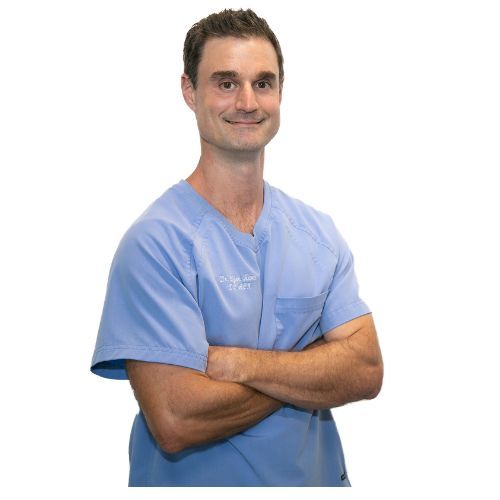
Dr. Hamel has been a practicing wellness chiropractor in Kingwood, TX for over 24 years, he has a doctorate degree for chiropractic and clinical nutrition certification, (ACN). He helps his patients set up a clear plan to meet their health and wellness goals as it relates to their spine, pain, alignment, posture, nutrition and supplements. Book Online today, to set up an initial appointment to begin your wellness journey.
FAQ: How does nutrition relate to chiropractic care?
Answer: Nutrition plays a crucial role in supporting overall health, including inflammation and spinal health. Proper nutrition can help reduce chronic inflammation, accelerate tissue repair, and promote optimal function of the nervous system, which complements the benefits of chiropractic adjustments in achieving holistic wellness.
FAQ: Can poor nutrition contribute to musculoskeletal issues?
Answer: Yes, poor nutrition can contribute to musculoskeletal issues by weakening bones and muscles, increasing inflammation, and preventing the tissue repair processes. Eating fast foods, too much sugar and processed foods, you are working against yourself says Dr. Hamel; you are effecting your body's ability to heal and repair in a very negative way. By addressing nutritional deficiencies such as calcium, magnesium, iron, minerals, fish oil, vitamin C, Vitamin D and key vitamins, we could certainly be a lot healthier and vibrant. A wellness chiropractor promoting a balanced diet, and chiropractic care can support the body's ability to heal and maintain proper
musculoskeletal function.
FAQ: How does a chiropractor assess nutritional needs?
Answer: Chiropractors may assess nutritional needs through discussions about dietary habits, lifestyle factors, and health goals. Dr. Hamel uses a symptoms survery specifically to identify how certain organ and gland systems are being affected by poor nutrition. This questionnaire looks at the overall function of the nervous system, liver, digestion, thyroid, adrenal glands and more. They may also recommend specific laboratory tests to identify nutritional deficiencies
or imbalances, allowing for personalized dietary recommendations tailored to each patient's needs, for tough cases and conditions ordering specific lab tests may be a good idea says Dr. Hamel; it depends on the patient's health history andhow they are responding to changes with supplements and dietary modifications.
FAQ: What role do supplements and vitamins play in chiropractic care?
Answer: Whole food supplements and herbal remedies can complement chiropractic care by providing essential nutrients that may be lacking in the diet or needed for optimal healing and recovery. Chiropractors may recommend supplements such as vitamins, minerals, omega-3 fatty acids, or herbal remedies to support overall health and enhance the benefits of chiropractic treatments. Getting the right, high quality supplementsis key to improving health; if they quality is not there; the supplements are not absorbed very well and you won't see a difference. Dr. Hamel has used Standard Process and Medi-Herb supplements for his patients for over 24 years; they work like they are supposed to and patients can tell a difference.
FAQ: Can chiropractic care help with weight management and nutrition counseling?
Answer: Yes, chiropractors can provide guidance on weight management and nutrition as part of a comprehensive wellness plan. Often times blood sugar regulation is at the center of all obesity problems; once you can get that under control the patient can see tremendous changes with weight loss and metabolism. We know the foods we eat and that exercises significantly changes our health and health expression. Dropping a few pounds not only makes the patient feel better but also takes stress off the joints of the neck, back, hips and knees, often times reducing chronic pain in those areas. By addressing lifestyle factors such as diet and exercise, chiropractic care can support weight loss goals, improve energy levels, and enhance overall well-being. Basically, says Dr. Hamel, get rid of the bad stuff, (we all know what this is), and add in healthy alternatives such as real foods, whole food supplements, high intensity-low impact exercises, meditation, infrared sauna, cold plunges, intermittent fasting and more.
FAQ: How does chiropractic care improve digestion and nutrient absorption?
Answer: Chiropractic adjustments can help improve spinal alignment and function, which may positively impact the nervous system's control over digestive organs. The nerves that come off of the low back, (lumbar spine), go to innervate or control the function of, the organs and glands of the digestive tract. Wouldn't you want nerve flow to be optimal to your digestive tract asks Dr. Hamel?, better nerve flow means better function. By ensuring proper nerve communication to the digestive system, chiropractic care may enhance digestion and nutrient absorption, leading to better overall health. Keep in mind that chiropractic adjustments alone usually do not fix digestive issues, and they are not intended to, for conditions like Chron's, colitis, leaky-gut, constipation, and acid reflux a lot more goes into helping these conditions such as strict food choices and the right nutritional supplements.
FAQ: Are there specific dietary recommendations for patients undergoing chiropractic care?
Answer: Dietary recommendations may vary depending on individual health needs and goals. However, chiropractors often emphasize consuming a balanced diet rich in whole foods, fruits, vegetables, lean proteins, healthy fats, and adequate hydration to supportoptimal health and healing. For healing and repair, Dr. Hamel recommends consuming 100+ grams of protein per day, it depends on eachpatient what they prefer, but he says a combination of vegetable and animal protein are good choices. Dr. Hamel also recommends protein shakes as eating that much protein in your diet can be a challenge to do and also a challenge to your digestive system.
FAQ: How can I integrate chiropractic care and nutrition into my wellness routine?
Answer: Integrating chiropractic care and nutrition into your wellness routine involves collaborating with your chiropractor to develop a customized plan tailored to your specific needs and goals. This may include regular chiropractic adjustments, dietary modifications, supplementation, exercise recommendations, and lifestyle changes aimed at promoting holistic health and well-being. It is pretty simple to set up says Dr. Hamel, we start by establishing the goals the patient has and create a plan based on that; they key to any health improvement process is consistency and being disciplined; this unfortunately has always been the reason that patients both succeed and fail with wellness routines.