Golf Injuries and Shockwave Therapy
Swing into Recovery: Exploring the Power of Shockwave Therapy for Golf Injuries
As someone deeply invested in the game of golf, you know all too well the setbacks injuries can create. But imagine a future where your road to recovery is smoother and swifter than ever before—thanks to the remarkable innovations in extra-corporeal shockwave therapy for golf injuries. Whether you're dealing with a persistent elbow ache or a shoulder that’s seen better days, this non-invasive therapy option is helping golfers like you to experience golfer's pain relief and return to the greens with confidence.
From tendon tears to muscle strains, golf injury treatment has long been a careful balance of rest, medication, and physical therapy. Yet now, there's a new player in town, one that promises to revolutionize your healing process. Dive into the possibilities as we explore how extra-corporeal shockwave therapy is becoming the new cornerstone of sports injury treatment for golfers everywhere. Stay tuned, as we guide you through the ins and outs of this cutting-edge treatment, ensuring that your next swing isn't just a shot in the dark, but a step towards total recovery.
Understanding Golf Injuries and Their Impact on Your Game
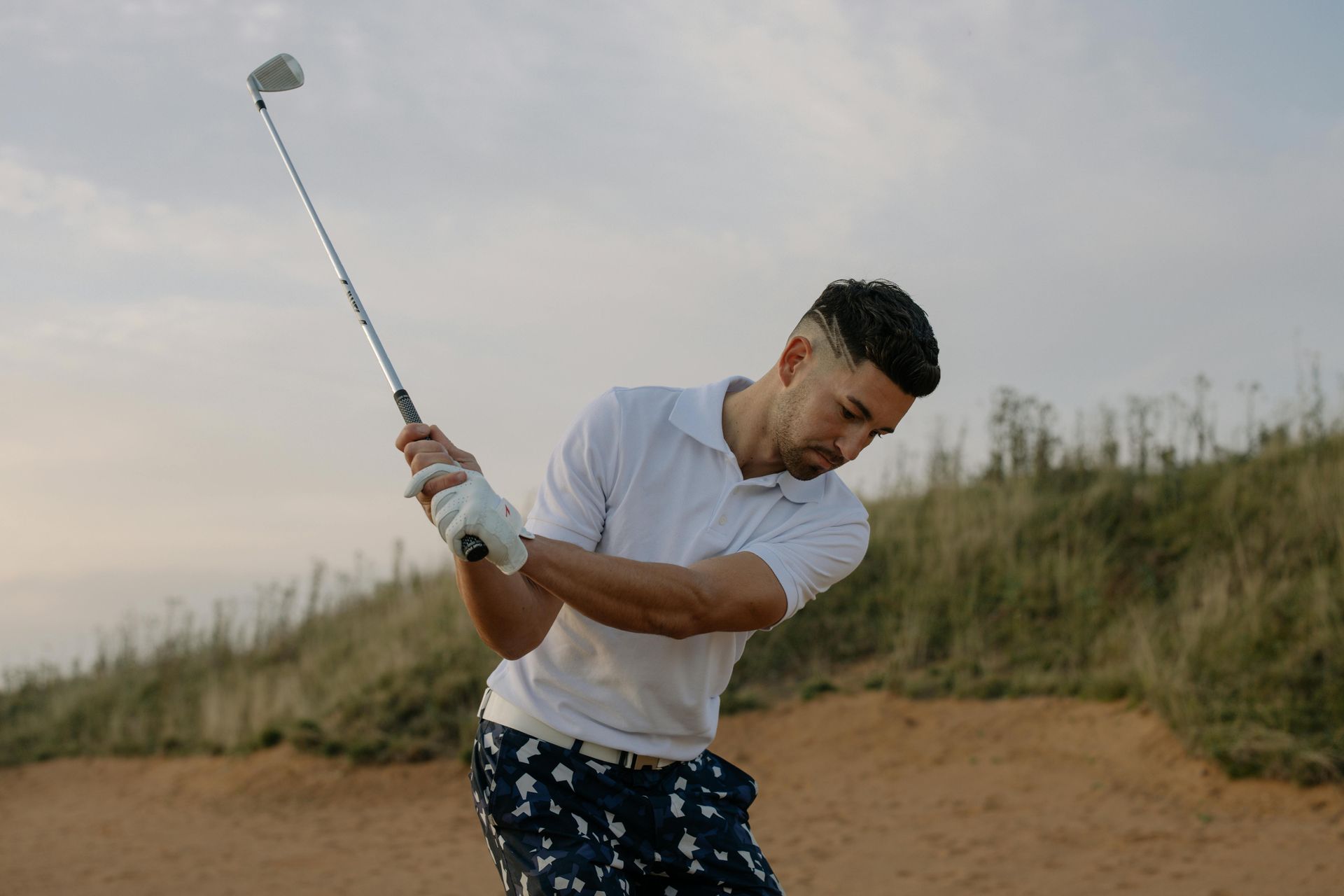
As a golfer, your ultimate goal is continuous improvement and enjoyment of the game. But when injuries strike, they can derail your progress and enjoyment faster than a wayward drive. Acknowledging the significance of healing golf-related injuries is pivotal to not only return to form but also to achieve golf performance enhancement. Let's look at common injuries you might face and their potential impact on your game.
- Tendinitis: One of the frequent culprits of golfer's pain, particularly in the elbows and wrists, hindering your swing and grip. This shows up when the golfer is hitting the ball fat causing too much vibration in the wrist and arm.
- Back Pain: The repetitive motion of the swing can lead to lower back pain, which is detrimental to your stance and swing consistency. The 3 most common swing faults in golf causing chronic low back pain are the S-curve, Reverse Spine Angle, and Early Extension. Definitely get with your local golf professional to take a video of your swing and see if any of these faults are happening.
- Muscle Strains: Overuse or improper form can lead to strains, especially in the shoulders and hips, limiting your range of motion. Most of golfers coming in with back pain and knee pain have restricted hip and midback motion. With a very tight thoracic spine and tight hips; the low back and knee have to try and make up for the lack of motion. Low back and knee rotation is not meant to be excessive in golf; when this is the case there is a lot more muscle spasm and strain going on in the golfer's body.
- Knee Pain: The torque of a golf swing can stress the knees, affecting your stability and weight transfer during the shot. Most golfer's Dr. Hamel sees coming in as new patients have knee arthritis, weak medial knee musculature and meniscus wear and degeneration. These are repetitive overuse injuries that just happen over the years as a result of a golfer's body not able to handle the physical stresses of a golf swing.
- Wrist Injuries: The impact of the club hitting the turf or ball can jolt the wrist, potentially leading to sprains or fractures. Be careful taking too much grass before the ball, this puts a significant strain on the wrist and little joints of the hand; believe it or not you can fracture the small bones in your hand from repetitive vibration.
Understanding how these injuries can influence your game is crucial. For instance, tendonitis might force you to adjust your grip, leading to inconsistency and discomfort. Lower back pain could alter your swing plane, causing less power and accuracy. Strains in muscles could limit your follow-through, robbing you of distance. Simultaneously, knee and wrist injuries could altogether stop you from playing your best golf—or playing at all.
Therefore, integrating methods for healing golf-related injuries into your routine isn't just about recovery; it's about empowering every aspect of your game and striving for on-course excellence. Remember, every round of golf should be pain-free, allowing you to focus squarely on scoring and enjoyment. Giving proper attention to rehabilitation and preventive measures can position you for long-term golf performance enhancement and uninterrupted play.
A Closer Look at Extra-Corporeal Shockwave Therapy for Golf Injuries
As you navigate the world of golf and confront injuries that threaten your game, extra-corporeal shockwave therapy for golfers emerges as a revolutionary force in non-invasive healing. This segment delves into the details of ESWT, providing insight into its mechanism and benefits, specially tailored for your golf-related injuries.
Defining Extra-Corporeal Shockwave Therapy (ESWT)
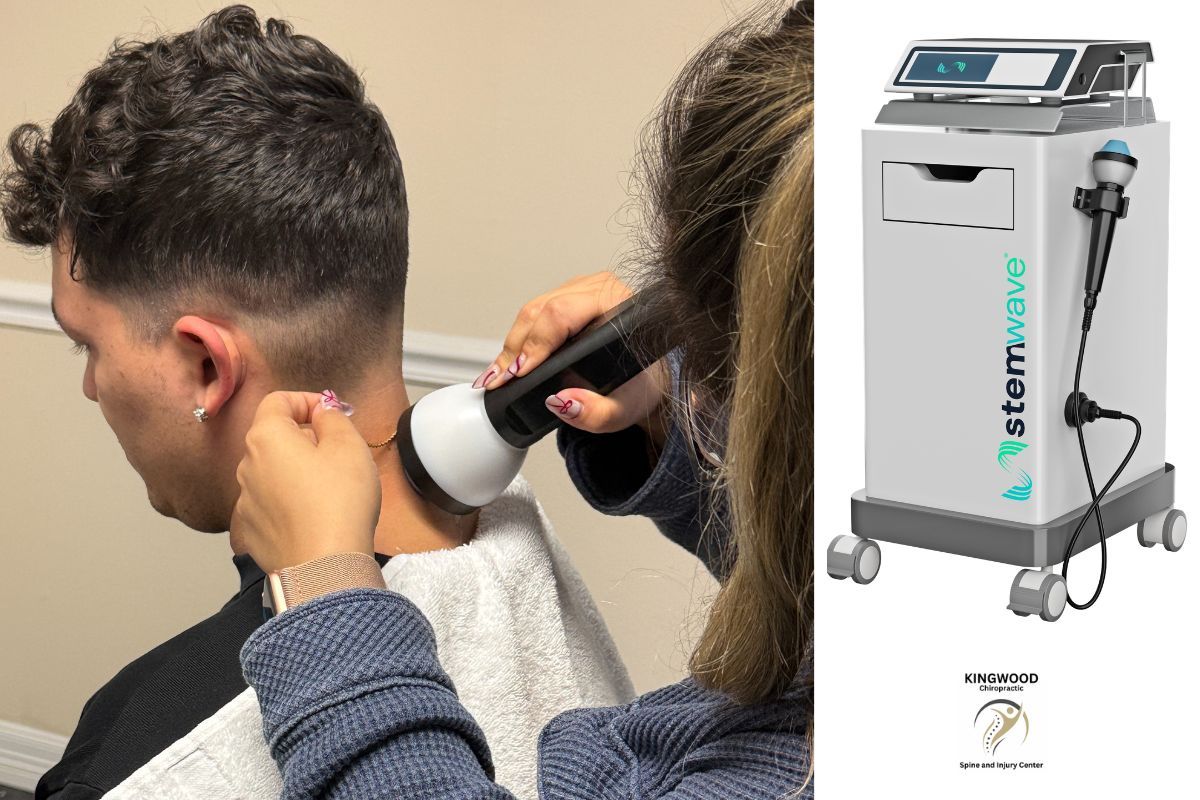
Extra-corporeal Shockwave Therapy (ESWT) is a cutting-edge treatment that harnesses the power of acoustic waves to stimulate the body's natural healing process. Ideal for golfers, ESWT offers a non-invasive solution for chronic pain management and injury recovery.
How ESWT Works to Heal Golfer's Injuries
The magic of ESWT for golfers lies in its ability to promote regeneration of injured tissues. The therapy initiates biological effects which lead to faster tissue repair and cell growth, making it a preferable choice for athletes looking for quick and effective recovery from golf injuries.
Types of Golf Injuries Treated by Shockwave Therapy:
- Hip Pains
- Osteoarthritis
- Plantar Fasciitis
- Muscle Strains and Muscle Spasm
- Elbow Epicondylitis
- Low Back Strains
- Rotator Cuff Syndrome
- Meniscal tears in the knee
- Patellar Tendinitis
These commonly encountered golf injuries have shown significant improvement when treated with ESWT, solidifying its status as an effective approach to non-invasive therapy for low back pain, hip pain, arthritis, plantar fasciitis and more.
Whether you're at the tee or on the green, incorporating ESWT into your recovery plan can help you maintain an uninterrupted and pain-free golfing experience. Embrace the possibilities with ESWT for golfer's injuries and get back to enjoying the game you love with vigor and vitality.
The Science Behind Shockwave Therapy Benefits
As you seek non-surgical solutions to treat your golf-related injuries, you may have heard of the emerging treatment known as shockwave therapy. This innovative approach leverages the science of sound waves to facilitate healing in injured tissues. Let's delve into the core scientific principles that outline the shockwave therapy benefits, particularly valuable for sports injuries.
- Pain Reduction: Shockwave therapy targets specific areas of the body to stimulate nerve fibers, creating an analgesic effect that reduces pain and discomfort. This is crucial for you to regain comfort during your recovery and return to your favorite sport more quickly.
- Increased Blood Flow: The therapy promotes neovascularization, where new blood vessels form, thereby enhancing blood circulation to the affected regions. Enhanced blood flow is synonymous with faster healing and reduced recovery time.
- Tissue Repair: The shockwaves induce micro-trauma to the injured tissue which kicks off the body's innate repair mechanisms. The response involves the production of new collagen, an essential building block for tissue repair.
- Reduced Muscle Tension: Golfers often experience muscle tightness, and shockwave therapy can help by releasing trigger points and reducing the contraction within muscles, promoting quicker rehabilitation and comfort.
- Non-Invasive Approach: As a non-invasive therapy, shockwave treatment negates the risks associated with surgery and anesthesia. This aspect greatly reduces potential complications, allowing for a safer route to recovery.
Researchers continue to be enthused by the potential of shockwave therapy as a form of treatment for sports injuries. The procedure's capacity to accelerate tissue repair, enhance blood flow, and provide pain relief solidifies its standing as a compelling treatment option. The benefits of shockwave therapy are thus both scientifically substantiated and experienced in practice by many athletes—including golfers like yourself—looking for effective recovery methods.
Comparing Golf Injury Treatment Options: ESWT Versus Traditional Methods
When you're facing a golf injury, understanding your treatment options can be crucial to getting back on the course with confidence. Extra-corporeal Shockwave Therapy (ESWT) has emerged as a revolutionary non-invasive therapy for golf injuries, but how does it stack up against traditional methods of sports injury treatment? Let's delve into the recovery times, treatment efficacy, and the risks and benefits associated with each option.
Non-Invasive Therapy Golf Injuries and Recovery Time
ESWT is known for its shorter recovery times, which is a critical factor when you're eager to resume your sport. This non-invasive therapy targets golf injuries with waves that promote healing, without the downtime associated with surgeries or the extended periods often required for physical therapy to show results.
Analgesics and Physical Therapy in Golf Injury Treatment
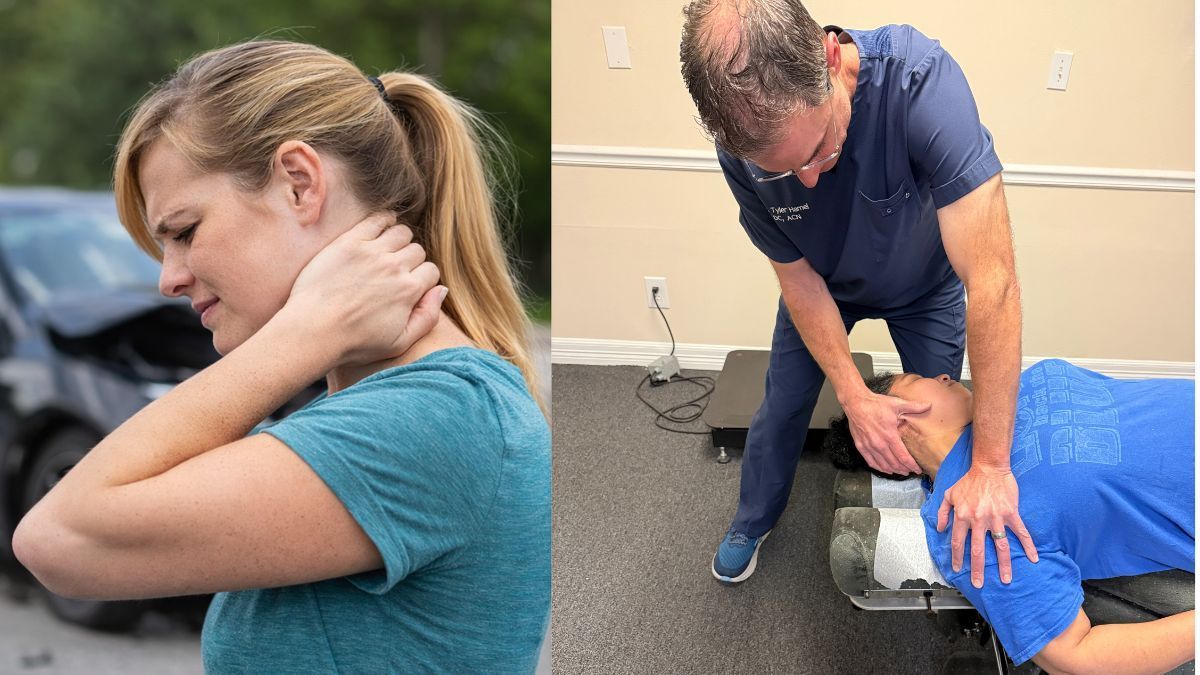
While painkillers can provide immediate relief, they don't address the underlying cause of golf injuries. Physical therapy and chiropractic care, conversely, works on the root problem but requires commitment and time. ESWT offers a middle ground, reducing the need for analgesics and potentially shortening the course of physical medicine and chiropractic treatments.
Risks and Benefits of Different Golf Injury Treatments
- Surgery: Invasive with significant recovery time and often times research has shown only subpar results with low back surgery, shoulder surgery, hip replacement and knee surgeries. There is a time and a place for surgery; but I would exhaust all other possibilities says Kingwood chiropractor Dr. Hamel.
- Analgesics: Provide quick pain relief but carry the risk of side effects and dependency. The liver, stomach and kidney can only take so much toxicity from pain relievers and anti-inflammatories. Be careful if relying on these medications on a daily basis for months on end; they were never meant to take long term.
- Physical Therapy: Non-invasive with long-term benefits but requires frequent sessions over an extended period.
- ESWT: Non-invasive with minimal side effects, promoting faster healing and quicker return to golf. With shockwave therapy it is often the case where a patient starts to feel better and be able to function better within a few weeks, this therapy significantly reducing inflammation and increasing circulation to the knee is a real game-changer.
Choosing the right golf injury treatment hinges on understanding these varied approaches. ESWT presents a promising non-invasive therapy that meshes rapid recovery with effective healing, allowing you to get back out on the golf course, hit longer drives, and just be physically better to handle the stresses of the golf swing.
Personalizing Your Recovery: When to Consider Shockwave Therapy for Golfer's Pain Relief
As a dedicated golfer, you understand the frustration of injuries on your performance and the joy of the sport. Recognizing the uniqueness of each injury and pain experience is key to finding the most effective treatment. This is where non-invasive therapy for golf injuries, such as shockwave therapy, comes into play.
Shockwave therapy offers a promising alternative for golfer's pain relief without the need for medication or surgery. In figuring out whether it's the right time to consider shockwave therapy in Kingwood, Texas, take note of the following signs:
- Persistent pain that hinders your swing, putting, or overall performance on the course despite rest and traditional treatments.
- Recurring injuries that have started to impact your confidence and enjoyment of the game. Maybe you used to golf 5X per week and now you can only go once a week because of your severe knee pain, shoulder pain or hip pain.
- A need for a speedy recovery because you have an upcoming tournament or event. Restoring proper movement quickly is what most golfers want; they don't want to miss their regular weekly men's league or weekend tournaments.
- A desire to address the root cause of the pain and not just mask symptoms with temporary solutions. The root cause of most chronic golf injuries is inflammation; when inflammation is high; knee pain, shoulder pain, low back pain or hip pain will not heal or get better. Taking care of the underlying cause of these golf injuries no longer has the golfer feeling better quickly, it really helps the player be able to play in to their later years; this is what golf addicts are interested in.
Shockwave therapy's non-invasive nature allows you to bounce back from golf injuries faster, with many golfers reporting improvement after just a few sessions. If these scenarios resonate with you, exploring this treatment could be the turning point in your recovery journey. Schedule an appointment by going to our website here.
If you're still unsure about whether shockwave therapy is suited for your situation, consider consulting a sports injury specialist who can assess your condition and advise on the best course of action. Remember, personalizing your recovery is about what works best for your body, ensuring you can return to the sport you love with confidence and renewed vigor. We see all different types of golfer's, some just want to get out of pain and get back to the golf course once a week. Then we have more hard core golf enthusiasts that play different courses around Houston 5 or 6 days a week; they not only want to get out of pain but want to fix the problem for good and make sure it doesn't come back.
Enhancing Golf Performance: ESWT as a Tool for Prevention and Maintenance
As a golfer, you're always looking for competitive edges and ways to keep the injuries at bay. Imagine enhancing your swing, drive, and overall performance while simultaneously cementing a defensive barrier against future ailments. Extra-corporeal shockwave therapy for golf injuries (ESWT) is more than just a recovery modality; it's a gateway to elevating your game and maintaining peak condition. Let's explore how integrating this non-invasive therapy into your routine can confer long-term benefits.
Preventative Measures for Golf-Related Injuries
Preventing injuries is just as crucial as treating them. ESWT harnesses the power of targeted shockwaves to stimulate healing, preemptively addressing areas of potential stress or micro-trauma within your musculoskeletal system. By incorporating ESWT once a month into your preventive measures, you can fortify your body's resilience, effectively minimizing the risk of common golf injuries such as golfer's elbow, knee osteoarthritis, rotator cuff tendinitis and low back strains. This proactive approach ensures that you stay on the course and out of the clinic, focusing on what you love most – golf.
Maximizing Golfer Performance and Integrating ESWT into Your Routine for Long-Term Benefits
The best sports injury chiropractic treatment isn't simply reactive; it's sustainable and seamlessly fits into your regimen. Regular ESWT sessions can serve as routine maintenance for your body, keeping your tissues primed and responsive. By making ESWT for golfers a staple in your golf fitness program, you can enjoy the dual benefit of expedited recovery times and a potent preventive measure, ensuring that every swing you take is supported by healthy tissues, ligaments and joints.
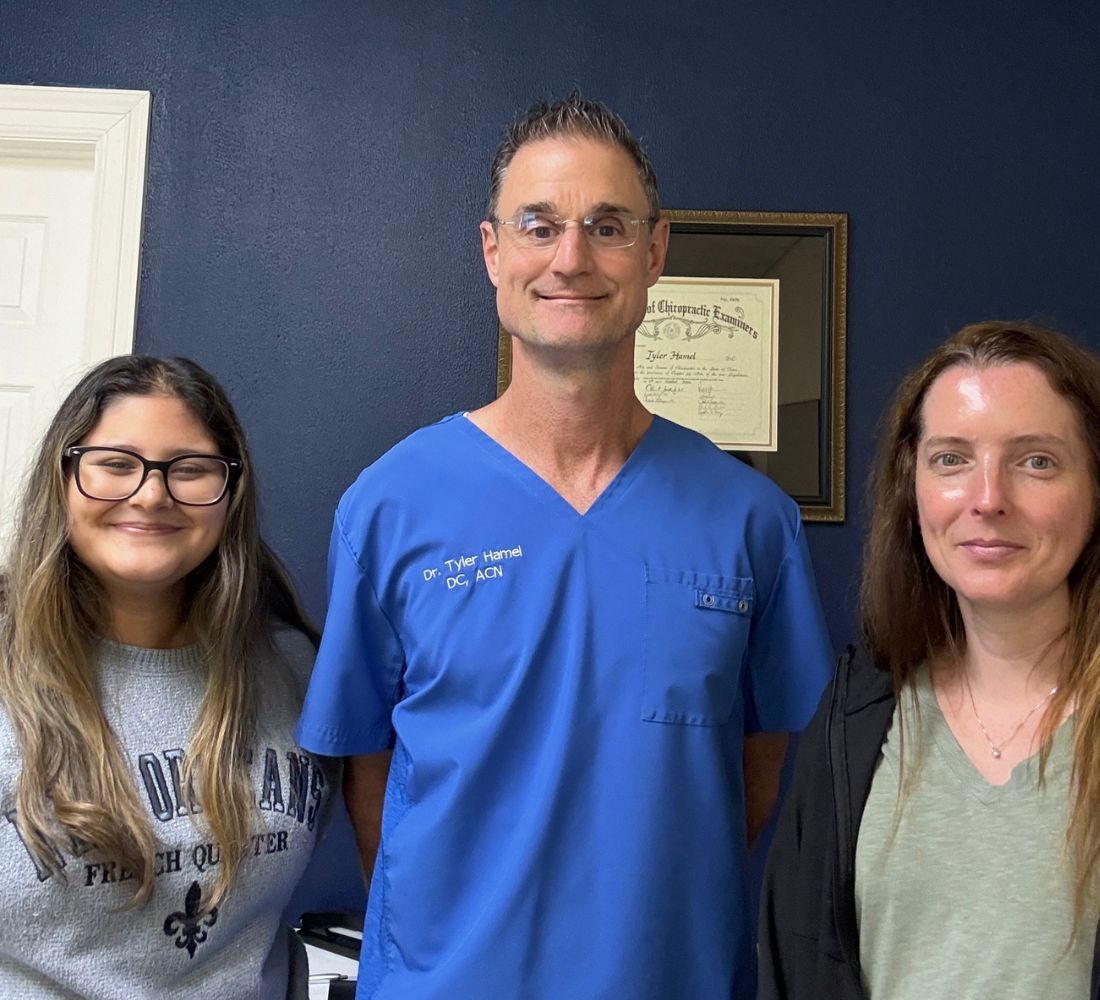
Find Relief of Your Golf Injuries with a Titleist Certified Golf Fitness Chiropractor- Dr. Tyler Hamel
We encourage our patients to try non-invasive low risk treatments for their golf injuries such as chiropractic care and shockwave therapy before making any decisions about cortisone shots or surgery. Stop pain naturally a get back to enjoying pain free golf, contact us today at Kingwood Chiropractic.
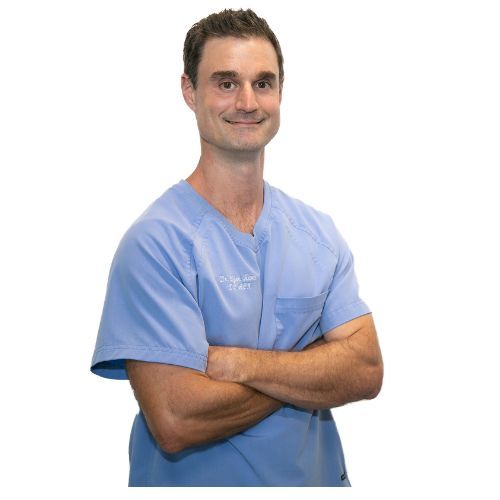
About Dr. Tyler Hamel
Dr. Tyler Hamel is an experienced chiropractor with over 25 years of clinical practice, specializing in the treatment of neck pain, back pain, and car accident-related injuries, including whiplash. As the owner of Kingwood Chiropractic Spine and Injury Center, he provides comprehensive, conservative care to patients in Kingwood and the northeast Houston area using chiropractic adjustments, corrective exercises, shockwave therapy, and cold laser therapy. Dr. Hamel frequently collaborates with attorneys and other healthcare providers in personal injury cases to ensure coordinated care, proper documentation, and appropriate referrals. A member of the Texas Chiropractic Association, he is committed to ongoing education and advancing clinical excellence while helping patients achieve lasting relief and improved function.
Recent Posts