Look around, and one may not have to look around too far—how many people do you know (maybe even yourself) that are struggling with tiredness, feeling overwhelmed, brain fog, and many other symptoms that make up chronic fatigue? There are thousands of people including friends, family, associates, employees and coworkers that are living on coffee, energy drinks and stimulants to try and make it through the day.
No question we have been hit pretty hard with Covid-19, hurricanes, and floods that are very stressful to millions of people, and we all know that stress breaks us down and wears us out. We see many of our friends that have put on the COVID 25, 30 or more pounds. We had the excuse of not having anything to do and many people were becoming very sedentary and somewhat lazy. It makes sense, if we are all binge watching Netflix, ordering food through Door Dash and having virtual happy hours with our friends, that is a recipe for your metabolism slowing down and checking out.
We are now 19 months into the COVID pandemic and we are seeing things turn around; people are getting called back to work, stores and restaurants are open, kids are back to school, the stock market is going crazy, and people are definitely getting back to the gyms. We are not out of the woods by any means, but we are all trying to get back to some resemblance of normal. This is the tricky part, the abnormal, or the past 19 months has really beaten us down, mentally and physically, so how can we get our mojo back?
First it is important to know some of the details about why we get tired, what are the most important things happening in the body (which are totally reversible by the way), that are wearing us down and making us feel that chronic fatigue. Dr. Hamel breaks down a few systems in the body that are main contributors to fatigue, and wouldn’t everyone like to know this so they can proactively fix their bodies?
#1. Adrenal glands – The adrenals are your stress adapting glands. They are very small and lie on top of each kidney. It’s amazing that this small hormone-producing gland can cause such trouble when it isn’t functioning properly. The adrenals produce hormones that play a big part in energy, clear thinking, metabolism, and even sleep. The adrenals can adapt to stress, they can hang in there for years dealing with the wear and tear, and then eventually they say enough is enough. We hear the terms chronic fatigue, adrenal fatigue, and adrenal burnout more now than ever before. The great news is that the healthier we are, the better our adrenals can adapt to stress. “Don’t get me wrong,” says Dr. Hamel, “this does not get rid of the stress, it just allows the body to handle it a little better.” There are some healthy things we can do to support the adrenal glands, which we will talk about later.
#2. Thyroid glands – The thyroid is considered the powerhouse of the body; it is like the engine in a car, and everything works better when the thyroid gland is functioning like it should. The adrenal glands take a little more effort to get tested. It has to be a saliva test, and most doctors don’t run the test and no insurance companies pay for it. The thyroid, as many of you probably know, is tested with every regular blood test. Dr. Hamel has seen 18-year-old patients who are hyperthyroid and hypothyroid (most common), whose blood markers are way low or high, like TSH, Free T3, Free T4 and thyroid antibodies. The thyroid breaks down with stress, and that is why we are seeing more and more Americans with blood markers that are out of range. Like the adrenals, there are some good healthy changes we can make to help nourish the thyroid that will come later on in this article.
#3. Blood sugar – If blood sugar is too low we will feel very tired, if too high we might feel irritable, heart palpitations and maybe even dizzy. “This is an important one to look at,” says Dr. Hamel. “There is a direct relationship between the food we eat and our body’s ability to regulate our blood sugar. We have all felt the carbohydrate coma, right after eating a big bowl of pasta, rice, bread or other simple carbs. We feel like we can take a nap, no matter where we are. When our blood sugar spikes, it is an emergency signal, basically telling our body to shut down, and thus we go to sleep.” Blood sugar should never be chronically high or low; it ideally should be even for the day. Dr. Hamel always tells his patients, “If you keep your blood sugar level for the day, with no spikes, that will most likely solve half of your health complaints, such as tiredness, hormone imbalance, obesity, high blood sugar, insomnia, high cholesterol and more.” The blood sugar abuse, just like the wear and tear on the adrenals and thyroid, luckily can be turned around with the right healthy lifestyle and maybe some short term prescription medication in some cases.
“The good thing, no, the GREAT thing, is a lot of these chronic health issues, including chronic fatigue are 100% reversible! Let’s talk about the toughest one first, truthfully they all seem tough to our patients who are going through this, but let’s start with STRESS—what can we do about this?” says Dr. Hamel. Tyler Hamel is a
Kingwood chiropractor who has been practicing for over 24 years, and he says, stress always makes aches and pains worse.
Stress, whether it be financial, work, or family is probably not going away any time soon; unfortunately, it is just part of being a human being. If stress is not going away, it would be great to have some stress-reducing strategies that can be done on a daily basis. These are simple, and if done consistently, they can make a big difference in the body’s health and the ability of the body to adapt to stress. The top strategies Dr. Hamel recommends, (and you can look these up on Google or YouTube) are meditation, HIIT exercise, belly breathing, postural exercises, intermittent fasting, clean eating, and specific whole food supplements that help regulate blood sugar, and nourish the thyroid and adrenals.
We sometimes forget all the little things, and poor choices we make throughout the day make it harder for our bodies to adapt to stress, this includes: eating fast food, staying up too late (did you know that both your adrenals and thyroid begin to detox and recover between 9-11 pm; if you go to bed too late you are missing out), poor ergonomic home office setup, too many cups of coffee per day, being too busy to exercise, stress smoking, watching screens when trying to fall asleep, not sweating, (this is a key to detox), drinking too much soda, eating too late, drinking too much alcohol (creating blood sugar issues), and taking too much prescription medications. There are many more that could be added, but this describes most of them.
Ok, so what are some health hacks that Dr. Hamel recommends for the above poor choices and challenges? Here are some of his suggestions:
- Intermittent fasting. Work your way up to 16 hours fasting and only eating in an 8 hour window. Search the internet for 16/8 fasting
- For the 8 hours of eating, eat real food, no processed food, just real fruits, vegetables, meat, fish etc.
- Drink at least 8 bottles of water per day
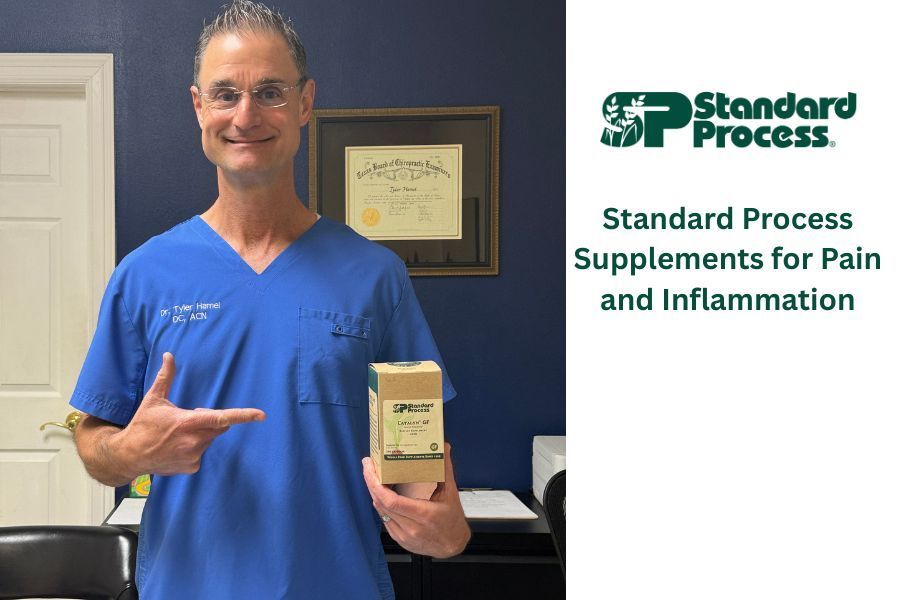
- Take whole food supplements to help balance blood sugar (gymnema, B vitamins, berberine), as well as supporting the thyroid (thytropin PMG, thyroid complex, ashwagandha), and supporting the adrenal glands (drenamin, ashwagandha).
- High Intensity Interval Training (HIIT). This is great exercise, and you can YouTube this and find plenty of good exercises to do. Start with 5 minutes per day, work your way up to 7 minutes, 10 minutes etc.
- No eating 3 hours before bed
- No screens of any kind 1 hour before bed
- Go to bed no later than 10:30 pm
- Meditate for 10-15 mins each morning and practice belly breathing with this. Headspace is a good app for this.
- Spend time outdoors to unplug, walking on a path, take the dogs for a walk, ride your bike. Be sure to do this outside and not inside.
- Simple postural exercises every hour if working on a computer. Shoulder blade squeezes and pect stretches are good and only take 2 minutes.
- Limit yourself to 1 cup of coffee per day.
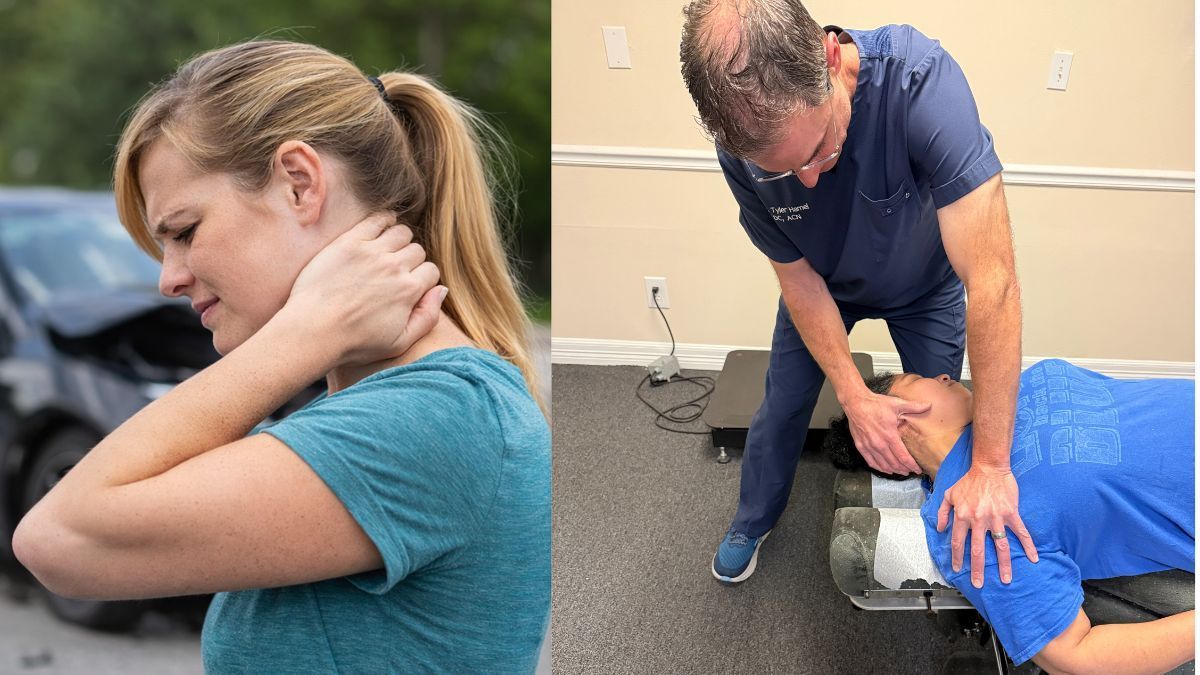
- Chiropractic adjustments
help to reduce stress from the nervous system, helping to reduce stress in your body.
To help negate the chronic fatigue, try to implement one or more of the above health hacks. You can see more general health hacks by reading the blog article on health hacks to improve your life and energy.