Acoustic Shockwave Therapy: How it Works and its Applications
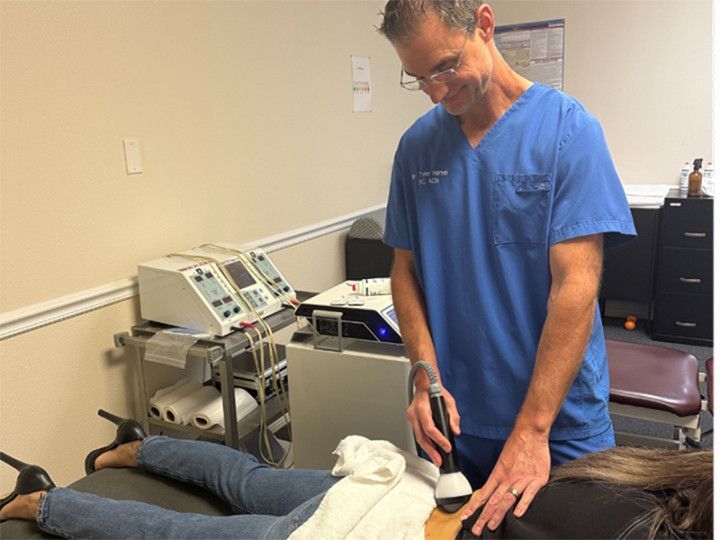
Extracorporeal shock wave therapy (ESWT), also known as acoustic shockwave therapy, is a non-invasive treatment. It has become popular in the medical field. It started in the early 1980s to help break down kidney stones. Now, it's used for many musculoskeletal conditions such as frozen shoulder, rotator cuff syndrome, knee osteoarthritis, lateral epicondylitis, Achilles tendinitis, plantar fasciitis and lumbar disc herniation. It has also been shown to be beneficial for neuropathies and stimulating nerve healing.
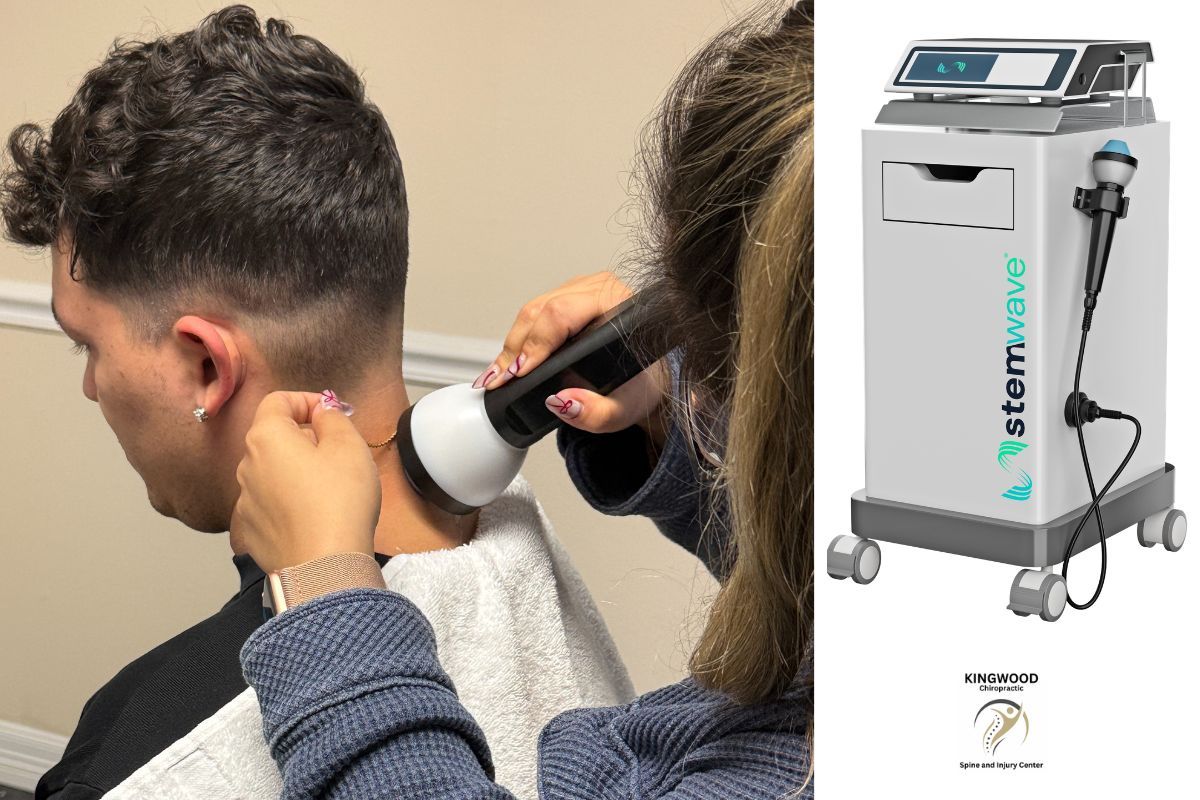
This therapy uses high-energy acoustic waves to help the body heal naturally. These waves can be focused or spread out. Focused ESWT targets a specific area, while radial ESWT covers a larger area. The machine that does ESWT makes these pressure waves by hitting a metal applicator with a projectile. This energy then goes into the tissue being treated.
Imagine waking up without the constant ache in your knee, shoulder or ankle, unable to move freely without pain. Acoustic Shockwave Therapy is revolutionizing pain relief, offering a non-invasive solution that's helping countless people regain their mobility and quality of life. Discover how this cutting-edge treatment works and why it could be the key to ending your chronic knee pain, hip pain, wrist pain or shoulder pain for good. Ready to take the first step toward a pain-free life? Find a local provider today and start your journey to recovery.
Key Takeaways
- Acoustic shockwave therapy, or extracorporeal shock wave therapy (ESWT), is a non-invasive treatment that uses high-energy acoustic waves to promote healing and reduce pain.
- ESWT was initially used for lithotripsy to break down kidney stones, but researchers have since explored its therapeutic potential for various musculoskeletal and neurological disorders.
- ESWT can be applied in either a focused or radial pattern, with each approach having its own unique benefits and applications.
- The portable ESWT machine from StemWave generates the shockwaves by accelerating a projectile that strikes a metal applicator, transmitting the energy into the targeted tissue.
- ESWT has shown promising results in treating conditions such as tendinopathies, fractures, and spasticity related to neurological disorders.
Understanding Acoustic Shockwave Therapy
Acoustic shockwave therapy , also known as extracorporeal shock wave therapy (ESWT), is a non-invasive treatment. It uses high-energy sound waves to help to naturally stimulate the body to heal and repair. This therapy is popular among doctors in sports medicine, orthopedics and chiropractic, for treating musculoskeletal and neurological issues.
What is Acoustic Shockwave Therapy?
This therapy uses high-intensity sound waves to help heal specific areas and damaged tissue. It aims to boost blood flow, tissue regeneration and ease pain. By using the body's healing powers, it offers a non-surgical and non-invasive way to address musculoskeletal issues like rotator cuff impingement, scar tissue formation, lumbar disc herniations, and golfer's elbow.
Types of Acoustic Shockwave Therapy
There are two main types of acoustic shockwave therapy: focused shockwave therapy and radial shockwave therapy .
- Focused Shockwave Therapy: This method sends sound waves in a focused way. It targets specific body areas with strong energy. This is the most common form of shockwave therapy; the soundwave penetrates a focused area such as the knee meniscus, patellar tendon, joint line and collateral ligaments.
- Radial Shockwave Therapy: This type spreads sound waves over a larger area. It's a gentler way to treat tissues effectively.
Both types are used to treat various conditions. They aim to lessen pain and help healing.
| Focused Shockwave Therapy | Radial Shockwave Therapy |
|---|---|
| Narrow, focused pattern of acoustic waves | Diffuse, radial pattern of acoustic waves |
| Targeted treatment of specific areas | Wider tissue area coverage |
| Higher-intensity energy delivery | Gentler, lower-intensity treatment |
| Effective for scar tissue injuries | Suitable for soft tissue conditions |
"Acoustic shockwave therapy is a game-changer for patients seeking non-surgical solutions to their musculoskeletal and neurological conditions. The ability to leverage the body's own healing mechanisms makes it a truly innovative and effective treatment option."
Mechanism of Action: How Acoustic Shockwave Therapy Works
Acoustic shockwave therapy , also known as extracorporeal shock wave therapy (ESWT), uses high-energy waves to agitate damaged tissues; this creates a healing response. This healing response is natural, it helps to bring in oxygen and stem cells to the injured area, as well as reducing inflammation so tissues can regenerate.
The Science Behind Shockwaves
The therapy uses a device that sends out compressed air. This air makes a projectile move fast in a tube. When it hits the skin, it turns the energy into waves that go deep into the tissue. These strong waves help release growth factors, stem cells and increase blood flow. both are optimal for healing and repair. Many injuries do not heal because there is too much inflammation and not enough healing cells coming in to regenerate these damaged tissues.
Stimulating the Body's Healing Process
When shockwaves penetrate deep into the injured area, they start a healing process. Studies show that the waves actually stimulate cells in tendons to grow and produce collagen. They also improve blood flow and nutrient delivery to the area. There is no other therapy, besides ESWT that can do this naturally, that can create this significant of a healing response.
This therapy does more than just repair tissue. It can also help manage pain by reducing nerve activity. This shows it could be useful for treating pain and nerve issues, especially neuropathies. Mainstream medicine does not have an answer for neuropathies, they can prescribe medicine but that is all. Acoustic shockwave therapy uses the power of electricity and sound waves to boost the body's healing. It's a non-invasive way to treat many musculoskeletal problems like tendinitis, osteoarthritis, carpal tunnel syndrome and scar tissue from whiplash injuries.
Applications of Acoustic Shockwave Therapy
Acoustic shockwave therapy, is being studied for many musculoskeletal and neurological conditions. It's a new way to help people who want to avoid traditional treatments like pain injections, pain management and surgeries. This therapy has shown good results in treating different chronic injuries, arthritis, tendinitis, cartilage tears and joint degeneration.
Musculoskeletal Conditions
For musculoskeletal disorders, acoustic shockwave therapy helps with biceps tendinopathy, patellar tendinopathy and rotator cuff tendinopathy. These are overuse injuries or long-term conditions that affect the tendons and mobility. Some conditions that ESWT has helped with include:
- Shoulder tendinopathy
- Lateral epicondylitis (tennis elbow)
- Greater trochanteric pain syndrome
- Hamstring tendinopathy
- Patellar tendinopathy
- Achilles tendinopathy
- Plantar fasciitis
It's also used to help heal bone defects and fractures that haven't healed well with other treatments.
Neurological Disorders
In neurological disorders, acoustic shockwave therapy has shown promise in reducing spasticity. This is seen in conditions like:
- Stroke
- Traumatic brain injury
- Multiple sclerosis
- Cerebral palsy
This therapy aims to lessen spasticity by targeting the root causes. It could improve muscle tone, movement, and life quality for people with these conditions.
"Acoustic shockwave therapy has shown great promise in addressing a wide range of musculoskeletal and neurological conditions, providing a non-invasive and effective alternative to traditional treatment approaches."
Acoustic Shockwave Therapy: Benefits and Advantages
Are you looking for a new way to treat musculoskeletal issues or chronic pain? Acoustic shockwave therapy could be your answer. This non-invasive method offers many benefits over traditional treatments. This therapy is great because it doesn't carry the risks of surgery and has a quicker recovery time. It helps your body heal naturally, making damaged tissues regenerate naturally in the time span of 6-8 weeks.
Having this shockwave treatment means you might not need repeated steroid injections, which can harm tissues and bone density over time. Acoustic shockwave therapy can give you lasting pain relief without the downsides of steroids or surgeries.
- Quick, outpatient procedure with minimal downtime, 5–10-minute treatments and you can leave the providers office and carry out your regular daily activities. Just make sure not to overdo it and do too much activity that would slow down or interfere with the healing.
- Customizable to individual pain tolerance levels, depending on the area being worked on, the shockwave therapy doctor will adjust the intensity of the waves. The specific areas of injury have more tissue damage and inflammation; as the patient you are going to feel the healing effect of the shockwaves more over these areas.
- Promotes accelerated healing and improved blood circulation, it helps to bring existing stem cells into the area as well as nitric oxide and oxygen.
- Significant reduction in inflammation and muscle tension, inflammation is one of the main barriers to healing. The more inflammation in an area, the more pain, discomfort, lack of mobility and also it can't heal. Reducing inflammation with ESWT will help to get rid of pain, muscle tension and increase mobility.
- Versatile in treating a wide range of body parts and conditions, you can pretty much use shockwave therapy on any injured joint or tissue injury. We do not want to use acoustic shockwave therapy on a cyst, an open wound, a patient with tumors, patients with bleeding disorders and others with severe health conditions.
If you're looking for a safe, effective, and lasting solution for your pain, consider acoustic shockwave therapy. Talk to a healthcare professional who is a shockwave therapy provider such as a local orthopedic doctor, sports medicine doctor or chiropractor.
Preparing for and Undergoing Acoustic Shockwave Therapy
When getting ready for acoustic shockwave therapy, make sure to wear clothes that let you easily show the area being treated. Your doctor will put a water-based gel on your skin. Then, they will use a special tool to send shockwaves to the area. This whole process usually takes 5-10 minutes. The doctor may increase intensity of the waves over the treatment period, the initial phase of shockwave therapy treatment is 10 visits over 6-8 weeks. Patient who has severe, debilitating conditions may take longer to heal, 20-24 visits over the course of 120 days.
What to Expect During Treatment
Many people feel some discomfort during acoustic shockwave therapy, but it's not usually severe, and it goes away within a couple hours of treatment. It might feel like a deep, pulsing pressure or a tingling sensation, it is supposed to feel like this; you know that healing is happening when you feel these sensations. If you ever talk to someone who has had shockwave therapy and did not feel anything, there is something wrong with that. Remember areas that you have more injury and inflammation, you will feel it more; it is because the wave agitates these injured tissues causing a healing response.
Post-Treatment Care and Recovery
- Right after the shockwave therapy, you might feel sore and see some bruising or redness where it was done.
- Avoid taking anti-inflammatory drugs because they can slow down healing.
- You can usually go back to your normal activities, even working out, right after the post-treatment care and recovery time. As the patients do not do anything that would jeopardize the healing and recovery of your injury; do not overdo it with intense exercise or activity.
Knowing what to expect before, during, and after acoustic shockwave therapy makes you feel more ready and confident. With follow up sessions you will feel more and more comfortable because you know what to expect. You may even ask the shockwave therapy provider to turn up the wave intensity because you can now handle more.
Conclusion
Acoustic shockwave therapy, also known as ESWT, is a powerful way to treat many musculoskeletal, extremity and neurological issues. It uses high-energy acoustic waves to kick start your body's healing capabilities. This therapy boosts healing by releasing growth factors, improving blood flow, and breaking down scar tissue.
Studies show it's effective for treating things like tendon problems, bone healing issues, muscle stiffness, and calcifications. It's a better choice compared to other medical treatments because it doesn't involve surgery, there is little to no downtime and you can recover more quickly. This therapy is safe, affordable, and the sessions are quick, making it easy to find a qualified professional. If you're looking for ways to manage your chronic pain condition, get your body healed and more active, consider acoustic shockwave therapy.
FAQ
What is acoustic shockwave therapy?
Acoustic shockwave therapy is a non-invasive treatment. It uses high-energy waves to help the body heal naturally. These sound waves bring healing cells and growth factors into the injured area to stimulate healing and repair.
What are the different types of acoustic shockwave therapy?
There are two main types: focused ESWT and radial ESWT. Focused ESWT uses focused waves, while radial ESWT uses radial waves.
How does acoustic shockwave therapy work?
This therapy uses high-energy waves to help heal damaged tissues, like tendons, ligaments, cartilage, collagen, and even bone. It releases growth factors, boosts oxygen, increases blood flow, and breaks down scar tissue.
What conditions can be treated with acoustic shockwave therapy?
It treats musculoskeletal and neurological conditions. This includes tendinopathies, fractures, osteoarthritis and spasticity from nerve conditions.
What are the benefits of acoustic shockwave therapy?
This treatment helps the patient avoid surgery, side effects of surgery and prescription pain medicine, and you can avoid the long recovery times of major surgery. ESWT stimulates natural healing without invasive treatments, this can be done in a physical therapist or chiropractic office, there is no need for anesthesia or Cortisone shots.
What can I expect during an acoustic shockwave therapy treatment?
The clinician will apply gel to your skin and use a device to send shockwaves specifically to your injured area. The treatment is about 5-10 minutes long, and there are little to no side effects. Most patients feel a difference in pain intensity and mobility after each treatment.
What is the recovery process like after acoustic shockwave therapy?
You might feel sore and bruised after the session, but it does not last long. Avoid anti-inflammatory drugs, as they can slow healing. You can usually start normal activities, including exercise and light stretching as long as it does not irritate your injury.
Is acoustic shockwave therapy covered by insurance? If not, what are my alternatives?
Most insurance companies like Blue Cross Blue Shield and Aetna will cover an office visit but not the shockwave therapy itself. Auto accident policies and PIP, (personal injury protection), will often cover ESWT with a letter of medical necessity to the auto policy company such as Geico, USAA, Progressive, Nationwide or Farmers. Many doctors’ offices offer cash pay and discounts for packages of shockwave therapy visits. The average cost of a shockwave therapy session in the Houston, Texas area is $125, orthopedists, chiropractors, physical therapists charging anywhere from $99-$175 per visit.
How does the cost of acoustic shockwave therapy compare to other therapies?
Shockwave therapy averages $125 per session from most orthopedic doctors, sports medicine doctors and chiropractors. In comparison, the average cost of a physical therapy visit is $100-$125 per session. Average cost of acupuncture is $75-$125 per session. Average cost of orthoscopic knee surgery is $3400-$4900. Average cost of a tendon or muscle repair in the shoulder is $5200. The average cost of a single PRP injection for shoulder or knee is $700. Average cost of a Cortisone injection is $300.
Who are the best candidates for shockwave therapy?
Patients who respond best to shockwave therapy are those who are ready to try something that is different from what mainstream medicine has to offer, they are not interested in surgery or taking prescription pain medicine for the rest of their life. These folks like to be active and they are willing to do anything to be able to get back to pain free activities and hobbies. These ideal candidates for acoustic shockwave therapy willingly participate in their care, coming in for treatment, doing the corrective exercises, taking nutritional supplements, getting proper rest and eating a healthy diet. Ideal candidates are those people who have not responded very well to traditional treatments like medicine, Cortisone shots, physical therapy, pain injections, or minor surgeries. People who are struggling with chronic or acute joint pains who are miserable because they cannot do the things they love to do. The most common diagnoses seen for shockwave therapy and have good treatment outcomes are: Frozen Shoulder, rotator cuff impingement, biceps tendinopathy, Lateral Epicondylitis, carpal tunnel syndrome, knee osteoarthritis, Achilles tendinitis, and plantar fasciitis.
Source Links
- https://www.mayoclinic.org/medical-professionals/physical-medicine-rehabilitation/news/the-evolving-use-of-extracorporeal-shock-wave-therapy-in-managing-musculoskeletal-and-neurological-diagnoses/mac-20527246
- https://utswmed.org/medblog/sports-injuries-shockwave-therapy/
- https://softwaveclinics.com/blog/acoustic-wave-vs-shockwave-therapy/
- https://softwavetrt.com/acoustic-wave-therapy-vs-shockwave-therapy/
- https://www.ncbi.nlm.nih.gov/pmc/articles/PMC8944950/
- https://www.ncbi.nlm.nih.gov/pmc/articles/PMC7275282/
- https://www.storzmedical.com/us/physics-and-technology
- https://www.ncbi.nlm.nih.gov/pmc/articles/PMC9321712/
- https://www.orthohealing.com/acoustic-wave-therapy-vs-shockwave-therapy-whats-the-difference/
- https://www.academic-urology.com/soundwave-therapy-ed.html
- https://www.thepodiatrygroup.com/2022/08/19/what-exactly-is-shockwave-therapy-and-how-do-its-benefits-work/
- https://www.genesischiro-macomb.com/services/acoustic-shockwave-therapy
- https://www.renewoklahoma.com/treatment/acoustic-shockwave-therapy-in-oklahoma-city/
- https://www.ncbi.nlm.nih.gov/pmc/articles/PMC10648068/
- https://www.westcoastmenshealth.com/the-benefits-of-acoustic-wave-therapy/
About Dr. Tyler Hamel
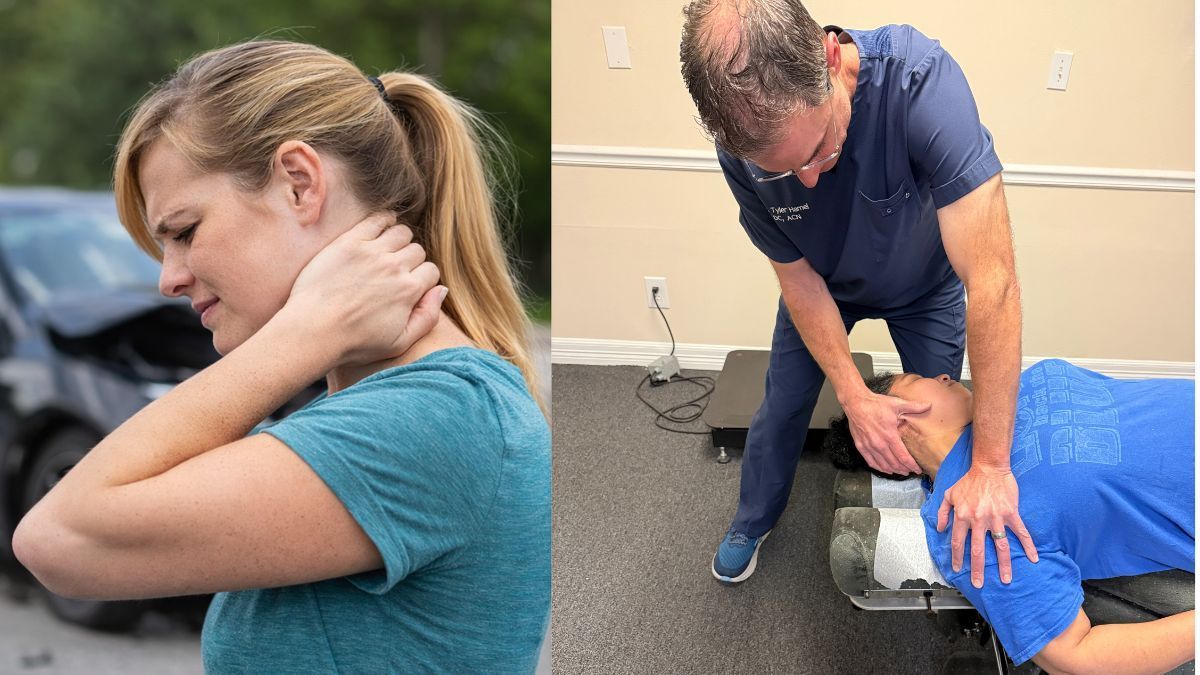
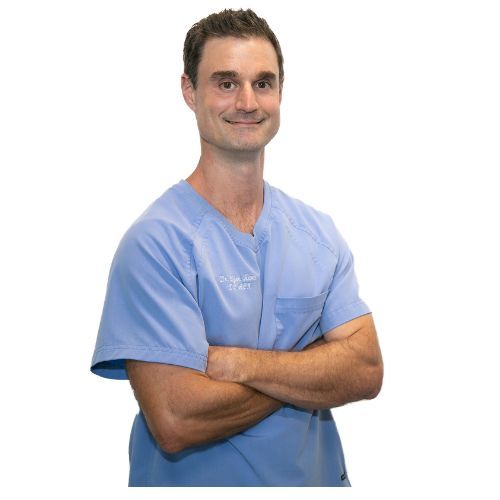
Dr. Tyler Hamel is an experienced chiropractor with over 25 years of clinical practice, specializing in the treatment of neck pain, back pain, and car accident-related injuries, including whiplash. As the owner of Kingwood Chiropractic Spine and Injury Center, he provides comprehensive, conservative care to patients in Kingwood and the northeast Houston area using chiropractic adjustments, corrective exercises, shockwave therapy, and cold laser therapy. Dr. Hamel frequently collaborates with attorneys and other healthcare providers in personal injury cases to ensure coordinated care, proper documentation, and appropriate referrals. A member of the Texas Chiropractic Association, he is committed to ongoing education and advancing clinical excellence while helping patients achieve lasting relief and improved function.
Recent Posts