Understanding Shockwave Therapy Side Effects

Are you curious about ESWT, acoustic sounds wave treatments, but you are concerned about shockwave therapy side effects? You're not alone. This innovative treatment aims to ease chronic pain. But it's important to know the possible side effects. Let's explore the real risks and benefits of shockwave therapy together.
Many people with chronic pain are turning to this new solution. More and more sports medicine doctors, chiropractors and physical therapists are offering extra corporeal shockwave therapy in their offices. Looking for an alternative to pain shots, medicine or surgery; thousands of knee pain, shoulder pain, plantar fasciitis sufferers are experiencing amazing results with little to no side effects. Wonder if it could help you too?
Key Takeaways
- Shockwave therapy is a non-invasive treatment that uses focused sound waves to stimulate healing in various musculoskeletal conditions and extremity injuries.
- While generally safe, shockwave therapy can cause temporary side effects like pain, bruising, and swelling. These side effects usually go away the same day.
- Understanding the potential risks and taking steps to minimize discomfort can help ensure a positive treatment experience.
- Consulting with a qualified healthcare provider is essential to determine if shockwave therapy is the right choice for your specific condition.
- Proper aftercare and following your provider's instructions can help manage any side effects and maximize the benefits of shockwave therapy.
What is Shockwave Therapy?
Shockwave therapy, also known as extracorporeal shock wave therapy (ESWT), is a non-invasive treatment. It uses high-energy sound waves to help the body heal naturally. This method is becoming popular in the treatment of back pain, disc herniations, frozen shoulder, knee osteoarthritis and plantar fasciitis. It helps by stimulating a healing response which brings in oxygen, stem cells and other healing agents into the site of injury.
An Introduction to Extracorporeal Shockwave Therapy
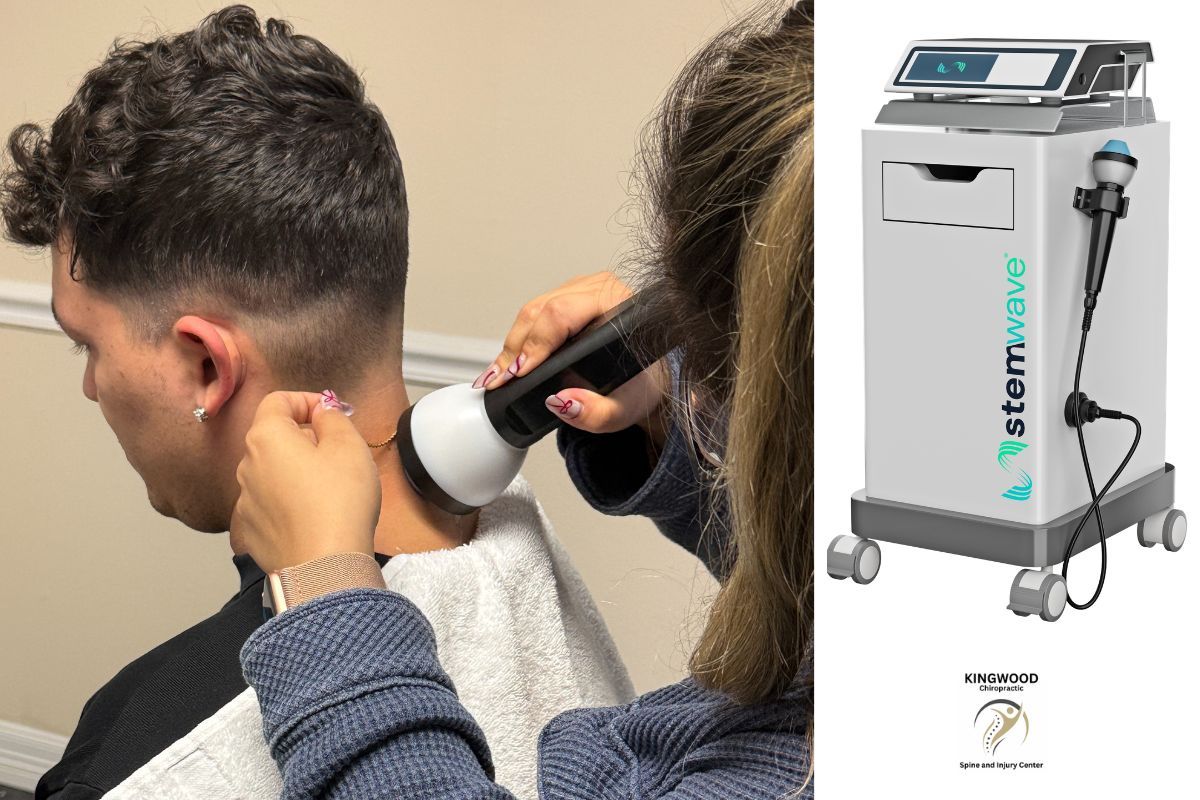
Extracorporeal shockwave therapy sends shock waves to areas with pain or damaged tissues like the rotator cuff, the knee joint or the Achille tendon. These waves come from a head and travels through ultrasound gel to penetrate deep in to the affected tissue. The shockwaves make a mechanical force that helps the body heal itself, reducing pain and regenerating tissue.
How Does Shockwave Therapy Work?
- Shockwave therapy triggers the body's healing response. This reduces inflammation, boosts blood flow, recruits stem cells, and helps create new blood vessels.
- The high-energy sound waves break down hardened tissue and scars. This makes moving easier and less painful.
- It targets the root cause of the issue, offering lasting relief for conditions like plantar fasciitis, tennis elbow, frozen shoulder, patellar tendinitis and carpal tunnel syndrome.
| Condition | Shockwave Therapy Effectiveness |
|---|---|
| Plantar Fasciitis | Highly Effective |
| Tennis Elbow | Moderately Effective |
| Chronic Tendinitis | Highly Effective |
Shockwave therapy is a non-invasive and effective way to treat musculoskeletal issues. It's a promising alternative to traditional treatments. By understanding the shockwave therapy side effects, you can decide if it's right for your health needs.
"Shockwave therapy has been a game-changer for my chronic tendinitis. After just a few sessions, I experienced a significant reduction in pain and improved mobility."
Common Shockwave Therapy Side Effects
Shockwave therapy is a treatment for many musculoskeletal issues. It has some side effects. Knowing these can help you decide on your treatment and manage any discomfort.
Mild pain is a common side effect. Many feel temporary discomfort or mild pain during the session, this is only because the soundwaves are agitating the injured area and causing a healing response. After the first session, most patients get used to both the pulsating noise and the mild discomfort. As the patients, says Dr. Hamel, you really want to be feeling some discomfort during the treatment; this means it is working.
Bruising and swelling are also possible. The shockwaves can break small blood vessels, leading to bruising and swelling. This usually goes away in a few days after treatment. Possible side effects include, all of which are very temporary; only lasting a couple of hours after the shockwave therapy session.
- Pain
- Bruising
- Swelling
- Potential nerve irritation
- Tingling or numbness
| Side Effect | Frequency | Severity |
|---|---|---|
| Pain | Common | Mild to Moderate |
| Bruising | Common | Mild to Moderate |
| Swelling | Common | Mild to Moderate |
| Nerve Irritation | Rare | Mild to Moderate |
Talk to your healthcare provider about the shockwave therapy side effects before starting treatment. They can explain the risks and benefits and help manage any issues that come up. Compared to mainstream medicines treatments and side effects for pain shots, orthoscopic surgery or replacement surgeries, ESWT is a walk in the park. There is no down time with shockwave therapy, you get a treatment and walk out of the providers office to do your regular daily activities. Getting Cortisone shots, or surgery for knees, hips and shoulders can mean long, extensive rehab, scar tissue and pain.
"Understanding the potential side effects of shockwave therapy can help you make an informed decision and take steps to ensure a smooth and successful treatment experience."
Shockwave Therapy for Plantar Fasciitis
Shockwave therapy is a new technology to help people with plantar fasciitis, the most common heel pain issue. It uses high-energy acoustic sound waves to help the body heal naturally, reduce pain, reduce inflammation and improve mobility.
Potential Side Effects and Precautions
Shockwave therapy is usually safe, but some side effects might happen:
- Temporary discomfort or pain during the procedure
- Bruising or reddening of the skin around the treatment area
- Mild swelling or inflammation immediately after the treatment
- Numbness or tingling sensations in the treated area
Talk to your doctor before trying shockwave therapy for plantar fasciitis, chondromalacia patellar, arthritis, tendonitis or heel pain. They can tell you what to watch out for and help manage any side effects of shockwave therapy for musculoskeletal conditions and extremity injuries. Knowing the risks and taking steps to avoid them can help you get the most out of shockwave therapy.
Shockwave Therapy for Tennis Elbow
Tennis elbow, also known as lateral epicondylitis, is a common condition. It affects the tendons in your elbow. Often times tennis elbow develops because of the extra vibration created at the elbow joint from hitting the tennis ball. For tennis players, there are a few things to look at to limit the vibration, these are string, string tension, stiffness of racket and swing technique. If you're dealing with this pain, you might wonder if shockwave therapy can help. This treatment has shown good results in easing tennis elbow symptoms but kick-starting the healing process.
Shockwave therapy uses high-energy sound waves to target the damaged area like the shoulder, elbow, wrist or foot. These waves help start the healing process. They reduce inflammation and aid in tissue repair. This can lessen pain and improve how well the joint moves and works.
This therapy is usually safe for conditions like tennis elbow, golfer's elbow, rotator cuff impingement syndrome, plantar fasciitis and Achilles tendinitis. You might feel temporary pain, swelling, or redness. Rarely, serious issues like tendon or nerve damage can happen. Always work with a qualified healthcare shockwave therapy provider to lower risks and get the best results.
Thinking about shockwave therapy for tennis elbow, plantar fasciitis or frozen shoulder? Talk to your doctor about its benefits and risks. This may be the exact non-invasive treatment you are looking for to get back on the golf course, pickleball court, the cross-fit gym, gardening or just walking with your spouse. The shockwave therapy providers will do an exam and consultation on the first visit and tell you if it's a good fit for your condition and needs.
"Shockwave therapy has been a game-changer for many of my patients suffering from tennis elbow. While it's not a one-size-fits-all solution, it has helped many people regain their strength and mobility in the affected elbow." - Dr. Sarah Johnson, Orthopedic Specialist
Managing shockwave therapy side effects for tennis elbow means working closely with a healthcare provider. Follow their advice for treatment, post care and expectations for healing and getting back to pain free activities. With the right care, and the right doctor; you can get back to being active and enjoying the things you love to do pain free.
Search for Shockwave Therapy Near Me Online
Finding a good shockwave therapy provider is key for effective and safe treatment. Shockwave therapy, or ESWT, uses sound waves to help with musculoskeletal and extremity issues. If you're looking for shockwave therapy near you, here are steps to find qualified providers.
Finding Qualified Providers in Your Area
When looking for shockwave therapy, research is crucial. You need to find providers with the right training and credentials. Here are tips to help you find the right provider:
- Ask your doctor, chiropractor or physical therapist for recommendations. They might know shockwave therapy providers in your area.
- Check with your insurance to see if they have a list of approved providers. This can help you find options that fit your budget.
- Look up online directories and review sites to see what others say about shockwave therapy providers. This can tell you about their skills and care quality. Look at reviews on Google, Yelp, Healthgrades and Zocdoc to read about patient experiences and outcomes with shockwave therapy.
- Find providers who focus on your specific condition, like plantar fasciitis, knee osteoarthritis, frozen shoulder or tennis elbow. This expertise is important for the best results.
By doing your homework and finding qualified providers, you can get the best care and see good results from your treatment.
Managing Shockwave Therapy Side Effects
Shockwave therapy can sometimes cause minor side effects. But don't worry, you can manage them easily. Here are some tips to help you recover smoothly.
Tips for Minimizing Discomfort
If you're worried about shockwave therapy side effects or want to reduce discomfort, try these tips:
- Use ice packs on the treated area for 15-20 minutes, several times a day. This helps reduce swelling and pain.
- Take pain relievers or anti-inflammatory medicine from the pharmacy as your doctor suggests to ease the discomfort. Just make sure not to take too much medicine to interfere with the healing response created by the shockwave therapy.
- Move and stretch the affected area gently to help blood flow and healing. Joint and muscle injuries always do better with movement; just make sure when you are exercising or stretching that you are feeling little to no pain.
- Avoid hard activities for the first 24-48 hours to let your body rest and heal. It may be wise to avoid intense activities and workouts for the first phase of healing for shockwave therapy which is 6-8 weeks. You don't want to be interfering with the treatments by irritating the area you are trying to get better.
- Drink lots of water to support healing. Being hydrated always helps; all of your muscles, ligaments, tendons, nerves, joints and discs work better when they are hydrated.
- Follow any post-treatment advice from your shockwave therapy expert. To maximize your treatment outcomes definitely listen to your doctor. You can also take nutritional supplements to help with healing and repair and inflammation as well.
Everyone reacts differently to shockwave therapy. Be patient and work with your healthcare team to find the best ways to handle side effects and discomfort. Healing of tissues, laying down new collagen fibers takes 6-8 weeks so be patient and don't try and rush it.
Shockwave Therapy Cost and Insurance Coverage
Looking into the cost of shockwave therapy is key for those interested in this new, cutting-edge treatment. The price can change based on the condition being treated, how many sessions you need, and where you get the treatment.
A single session of shockwave therapy can cost between $99 and $175 in the greater Houston and Kingwood, Texas areas. A great place to start is by doing 10 sessions over a 6–8-week period of time says Dr. Hamel of Kingwood Chiropractic; you can achieve significant healing and outcomes in that period of time.
Even though shockwave therapy might seem expensive at first, think about the long-term benefits. It can fix the real cause of the problem, avoiding more costly treatments like surgery or long-term meds. Depending on the severity of the injury and length of time the patient has been dealing with it; the patient might need 10 shockwave therapy sessions of 24. For patients with bone-on-bone knee pain and no cartilage; these folks are coming in for ESWT because they want to hold of knee replacement surgery for a while or for good; they usually get 24 or more visits. For someone else who has mild carpal tunnel syndrome with pain and numbness into their hand; they might be feeling great after just 10 treatments. You can pay $2000-$2500 for 20 shockwave therapy visits or you can pay $5000-$1000 for a new replacement surgery or rotator cuff repair; it just depends on what your goals and expectations are after getting the procedure.
Shockwave Therapy Insurance Coverage
Many patients wonder if their insurance will pay for shockwave therapy. The answer depends on your insurance plan and the condition being treated. Some plans might see it as a standard treatment and cover it, while others might not. Sometimes insurance companies like Blue Cross Blue Shield and Aetna will cover some of the treatment, like the office visit; but not the shockwave therapy procedure itself.
To find out what your insurance covers, talk to your healthcare provider and insurance company. Some plans might need you to get approval first or meet certain criteria. You might also look into flexible spending accounts (FSAs) or health savings accounts (HSAs) to help pay for it.
| Condition | Average Cost per Session | Typical Number of Sessions | Average Total Cost | Insurance Coverage |
|---|---|---|---|---|
| Plantar Fasciitis | $99-$139 | 10 | $999-$1500 | Varies, may require prior authorization |
| Knee Osteoarthritis | $99-$139 | 10 | $999-$1500 | Varies, may be considered an elective procedure |
Knowing about the cost and insurance options helps patients make smart choices about shockwave therapy. It lets them find ways to handle the costs of this new therapy.
Shockwave Therapy Reviews and Patient Experiences
Exploring shockwave therapy can be helpful when deciding if it's right for you. Real-life stories from patients show how well it works. They give you a clear picture of what to expect, including the good and the bad.
Sarah tried shockwave therapy for her heel pain from plantar fasciitis. She was unsure at first but saw big improvements after a few sessions. The treatment was a bit tough, but now she has far less pain, it was a big win. Now, she can move around easily without the old pain.
"The treatment was slightly uncomfortable, but the relief I felt afterwards made it worth it."
Michael had a tough case of tennis elbow and tried shockwave therapy. He'd tried many treatments without success. But shockwave therapy changed things for him. After a few weeks, his elbow moved better and hurt less.
| Patient | Condition Treated | Outcome |
|---|---|---|
| Sarah | Plantar Fasciitis | Significant reduction in pain, able to return to active lifestyle |
| Michael | Tennis Elbow | Improved range of motion, reduction in painful flare-ups |
These stories show how shockwave therapy can help with pain and mobility. Results can differ, but many find it helpful for various muscle and bone issues. At Kingwood Chiropractic in Kingwood, Texas you can read some of their google reviews to see shockwave therapy testimonials from tennis players and golfers.
Conclusion
Shockwave therapy is a powerful treatment for many musculoskeletal issues. But, it's important to know the possible side effects. Understanding these risks helps you make a smart choice and ensures a safe treatment.
If you're dealing with plantar fasciitis, tennis elbow, frozen shoulder, osteoarthritis or another condition, work with qualified healthcare experts. They can guide you through the therapy and help manage any side effects. By following their advice, you can fully benefit from this new treatment and enjoy your activities again.
Your health and happiness are most important. So, always ask questions and share your concerns with your healthcare team. With the right approach, shockwave therapy can be a key part of your path to better health and wellness.
FAQ
What is shockwave therapy, and how does it work?
Shockwave therapy uses high-energy sound waves to stimulate a natural healing response by your body. It's a non-invasive treatment that does not involve any surgery or medications. These sound waves penetrate deep into the affected areas like your shoulder, foot or knee, to lessen pain and help tissue heal.
What are the potential side effects of shockwave therapy?
Side effects include pain, bruising, swelling, and nerve irritation. These effects are usually mild and short-lived. Always talk to your healthcare provider about the risks and how to manage any discomfort.
How effective is shockwave therapy for treating tendinitis?
Shockwave therapy is a good option for tendinitis in the shoulder, foot, wrist and knee. It can reduce pain and help you move better. Some may feel discomfort during or after treatment, but the benefits often outweigh this. People want to get rid of their pain, but the real reason they seek out shockwave therapy is because they want to be active and do the things they love to do without pain. Whether it be walking their dog, playing 18 holes, competing in a pickleball tournament or a new personal best for a 1/2 marathon or cross-fit event, this is why people seek out ESWT.
Can shockwave therapy be used to treat tennis elbow?
Yes, it can treat tennis elbow, also known as lateral epicondylitis. The therapy reduces inflammation and helps heal the affected area. This can lessen pain and improve function. Always be aware of possible side effects and consult with your healthcare provider.
How can I find a qualified shockwave therapy provider near me?
Ask your primary care physician for a referral to find a shockwave therapy provider. You can also search online or contact local clinics about their services and the expertise of their providers.
How can I manage the side effects of shockwave therapy?
Use ice on the treated area, take over-the-counter pain relievers, and avoid hard activities for a few days. Follow your healthcare provider's instructions for a safe recovery.
How much does shockwave therapy cost, and is it covered by insurance?
Costs vary by location, provider, and treatment plan. The cost varies by condition of patient and how many sessions they need to get the outcome they are looking for. Patients with meniscus tears or bone on bone knee pain will take longer to recover, maybe 24 sessions over 3 months. Other patients will a rotator cuff shoulder strain might only take 10 sessions over the course of 6-8 weeks. The average cost per session in the Houston, Texas area is $99-$175. Insurance can sometimes cover a portion of the visit, the office visit, but usually not the shockwave therapy treatment itself.
What do patients say about their experiences with shockwave therapy?
Many patients find it helpful for reducing pain and improving mobility. Across the nation, shockwave therapy seems to get the best outcomes and best results with frozen shoulder, rotator cuff syndrome, knee osteoarthritis, knee tendinitis, and plantar fasciitis. ESWT can definitely help, and is worth trying, with any kind of inflammatory musculoskeletal or extremity condition.
With shockwave therapy side effects, what is the worst one could expect?
ESWT is, in its nature, very safe, you have the shockwave therapy machine which produces a shockwave, this will come through a wand, through ultrasound gel and penetrate deep into the joint or injured area. The wave that is actually coming into the injured area is an acoustic soundwave. The name "shockwave therapy", might scare some people, but there is no risk of getting electrocuted during this therapy; it is just a soundwave. That being said the worst of the side effects of ESWT are swelling, redness or soreness over the area that was worked on. Over 90% of the time these side effects go away by the next day, only 10% might not go away in 2 days. Using the proper protocols and settings; it is very rare that a shockwave therapy provider could make a patient worse, or make their injury worse.
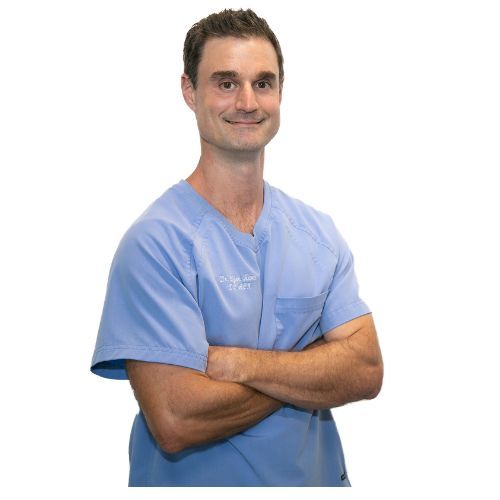
About Dr. Tyler Hamel
Dr. Tyler Hamel is an experienced chiropractor with over 25 years of clinical practice, specializing in the treatment of neck pain, back pain, and car accident-related injuries, including whiplash. As the owner of Kingwood Chiropractic Spine and Injury Center, he provides comprehensive, conservative care to patients in Kingwood and the northeast Houston area using chiropractic adjustments, corrective exercises, shockwave therapy, and cold laser therapy. Dr. Hamel frequently collaborates with attorneys and other healthcare providers in personal injury cases to ensure coordinated care, proper documentation, and appropriate referrals. A member of the Texas Chiropractic Association, he is committed to ongoing education and advancing clinical excellence while helping patients achieve lasting relief and improved function.
Recent Posts