Understanding Shockwave Therapy: A Comprehensive Guide
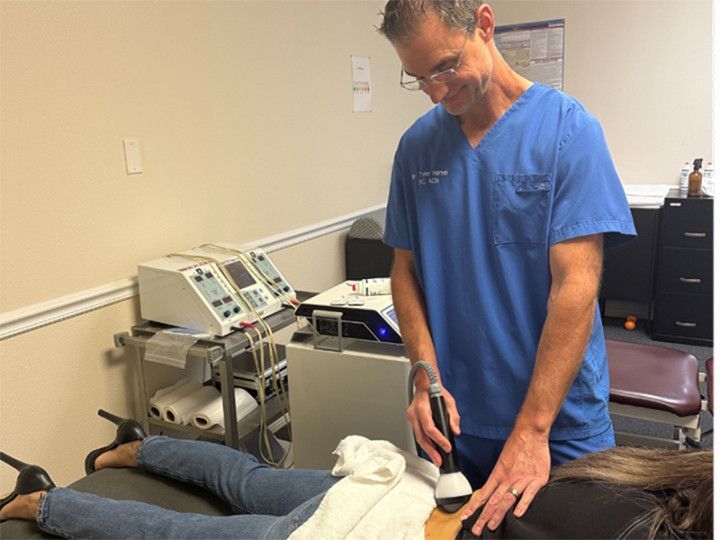
Are you tired of chronic pain holding you back? Imagine a treatment that offers relief without surgery or medication. Shockwave therapy might be the breakthrough you need. This innovative approach can help alleviate knee pain, shoulder pain, and plantar fasciitis, helping you regain your active lifestyle.
Developed in Germany during the late 1960s, extracorporeal shock wave therapy has been around for over 50 years. It's a non-invasive treatment that uses high-energy sound waves to stimulate healing, reduce pain, and improve mobility. If you're looking for local shockwave therapy providers, you're not alone. This therapy is gaining popularity as an alternative to more invasive treatments.
Types of Shockwave Therapy
There are two main types of shockwave therapy:
- Focused Shockwave Therapy: Goes deeper and targets precisely, great for bone lesions and deep injuries.
- Radial Shockwave Therapy: Has more power at the site, good for soft tissue injuries and surface adhesions.
| Treatment Aspect | Details |
|---|---|
| Average Sessions | 8-10 treatments |
| Session Duration | 5-10 minutes |
| Pulses per Session | About 2,000 |
| Treatment Frequency | 2 sessions per week for 3 weeks, then 1 session per week for 4 weeks |
| Healing Time | Approximately 2 months (6-8 weeks) |
Shockwave therapy is a promising way to treat musculoskeletal and extremity issues. It's an alternative to surgery and medication. When considering this treatment, talk to experts at reputable clinics to get the best care for your needs. Search online to find local shockwave therapy providers, read their reviews and how patients are responding to the treatment.
The Therapeutic Benefits of Shockwave Treatment
Shockwave therapy helps with pain relief and improve mobility. Most people with chronic pain are unable to move their shoulder, (frozen shoulder), their knee, (osteoarthritis), or their foot, (plantar fasciitis), because of pain and inflammation. It's a non-invasive treatment that uses sound waves that penetrate into a specific area, joint and tissues to stimulate healing. Let's see how this new therapy can help you.
Shockwave therapy is great at easing pain and increasing range of motion. Many people feel much better after just a few treatments. It does this by boosting blood flow, oxygen and stem cells to the area, which lessens inflammation and speeds up healing.
Side effects of shockwave therapy are usually mild. You might see bruising, swelling, or feel numbness in the treated area. But these side effects don't last long, making it a safe choice in comparison to strong medicine or surgeries.
Key Benefits of Shockwave Therapy
- Non-invasive and medication-free
- Restores range of motion to joints and muscles
- Promotes faster healing
- Effective for chronic pain conditions
- Short treatment times (5-10 minutes per session)
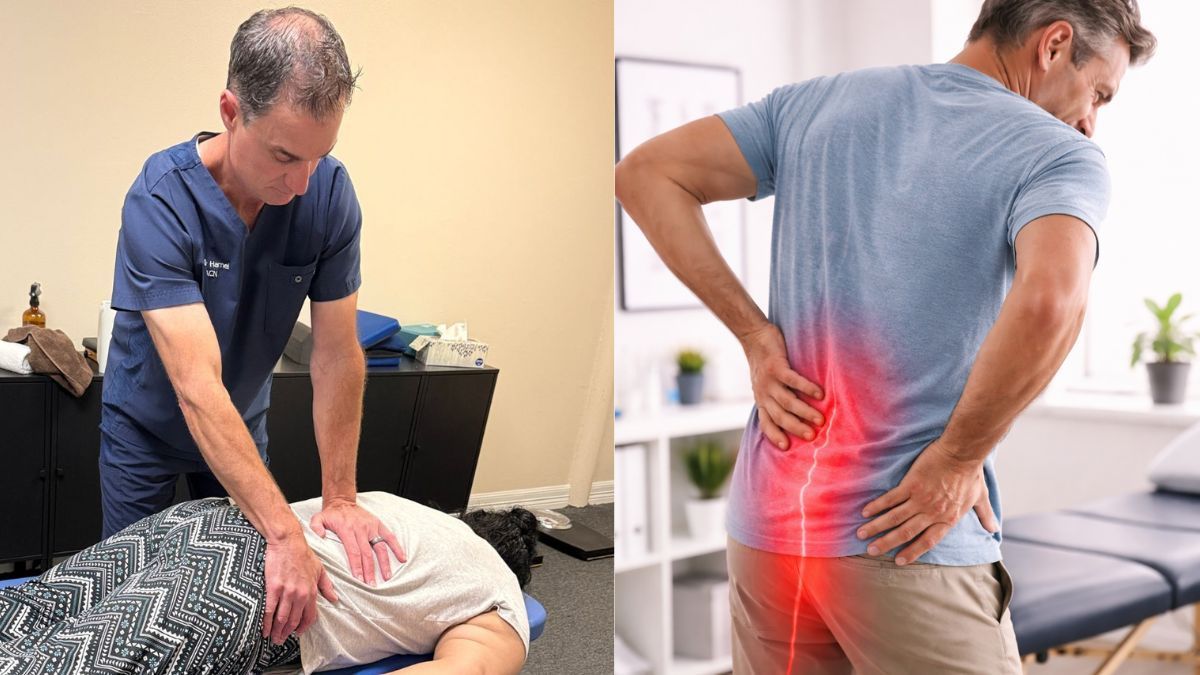
Shockwave therapy has shown great results for many musculoskeletal and extremity issues such as rotator cuff syndrome, carpal tunnel syndrome, golfer's elbow, jumper's knee, patellar tendinitis, Achilles tendonitis and low back pain. Over 80% of patients see improvements in pain intensity and range of motion after just a few treatments. This makes it a top choice for athletes and anyone looking for effective pain relief.
| Condition | Average Number of Sessions | Success Rate |
|---|---|---|
| Chronic Lower Back Pain | 8-10 | 85% |
| Plantar Fasciitis | 8-10 | 90% |
| Shoulder Tendinopathy/Rotator Cuff Syndrome | 8-10 | 80% |
Shockwave therapy can help repair tissue, lessen pain, and improve movement. It's a safe and effective way to manage chronic pain and musculoskeletal issues. As an FDA-cleared technology, you can trust its safety and effectiveness for your pain relief needs. Many people try extra corporeal shockwave therapy, (ESWT), as a last resort to surgery, this treatment can in no way make your pain worse or further injure an area.
Common Conditions Treated with Shockwave Therapy
Extracorporeal shock wave therapy helps with many conditions. It's a non-invasive treatment that works well for musculoskeletal issues, extremity conditions and chronic pain.
Musculoskeletal Disorders
Many people choose shockwave therapy for musculoskeletal problems. It's especially good for tendinopathies, with a 70% success rate. The National Institute for Health and Care Excellence (NICE) backs it for issues like:
- Achilles tendinopathy
- Plantar fasciitis
- Calcific tendinopathy
- Patellar tendinitis, (Jumper's Knee)
- Rotator Cuff Impingement
- Neuropathies
- Biceps tendonitis
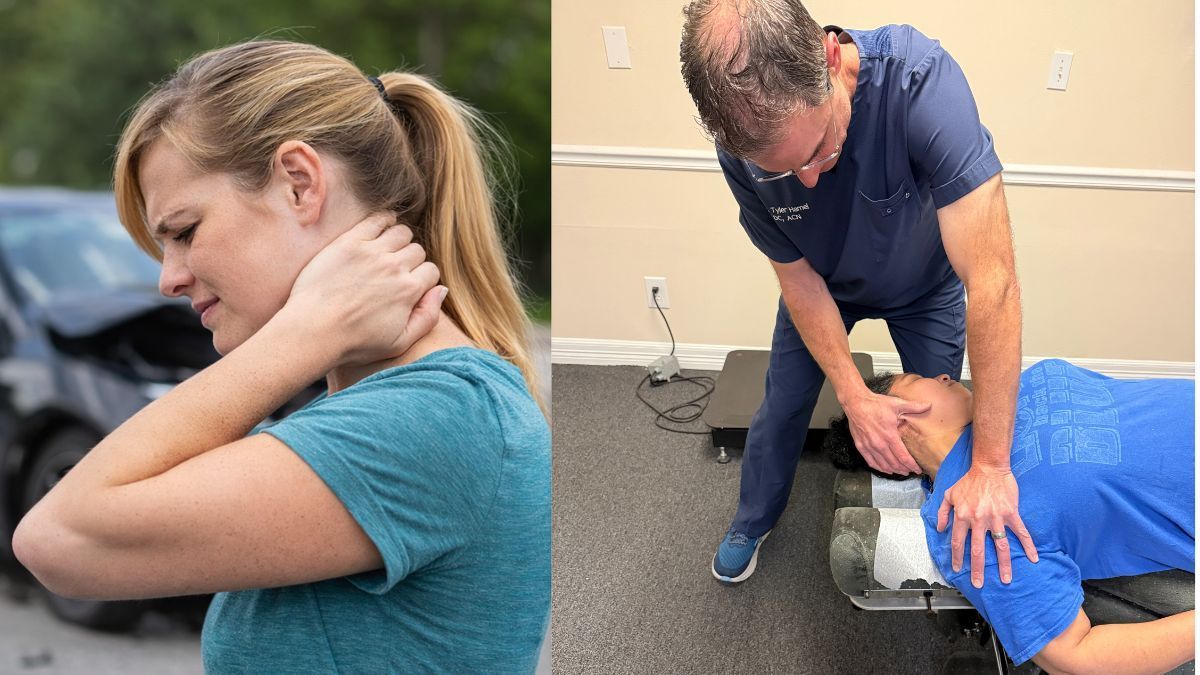
- Whiplash Injuries
Sports Injuries
Athletes often use extracorporeal shock wave therapy to heal fast. It helps with:
- Tennis elbow
- Golfer's elbow
- Pulled hamstrings
- Sprained ankles
- Rotator cuff tears
Chronic Pain Management
For those with ongoing pain, shockwave therapy can bring relief. It's great when other treatments don't work. People often feel less pain within 2-4 hours after a session. And they see big improvements 6 to 8 weeks later.
| Treatment Aspect | Details |
|---|---|
| Session Duration | 5-10 minutes |
| Number of Shocks | 2500-3000 per session |
| Treatment Frequency | 2X per week for 3 weeks, then 1X per week for 4 weeks |
| Pain Relief | 82% of patients report less or no pain |
With its high success rate and FDA approval, shockwave therapy is a top choice for many sports medicine doctors, chiropractors and physical therapists for their patients. They use it to find relief from tough musculoskeletal conditions, sports injuries and chronic pain. ESWT is a great option to other failed therapies which may include: Cortisone shots, PRP injections, Stem Cell injections, pain medication muscle relaxers or traditional physical therapy.
The Shockwave Therapy Procedure: What to Expect
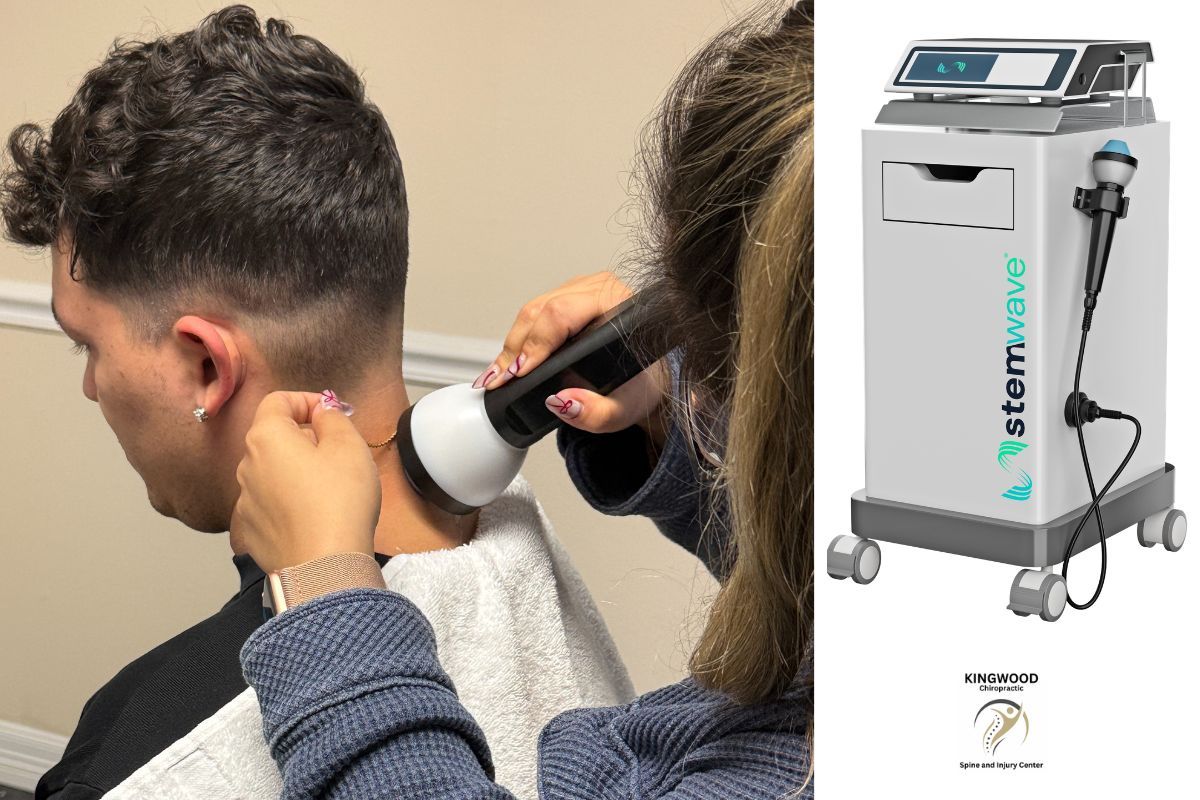
Going to a shockwave therapy center can change your health for the better. The whole process is fast, taking only 5-10 minutes. You'll find top-notch equipment like StemWave and SoftWave and treatment plans made just for you at these clinics.
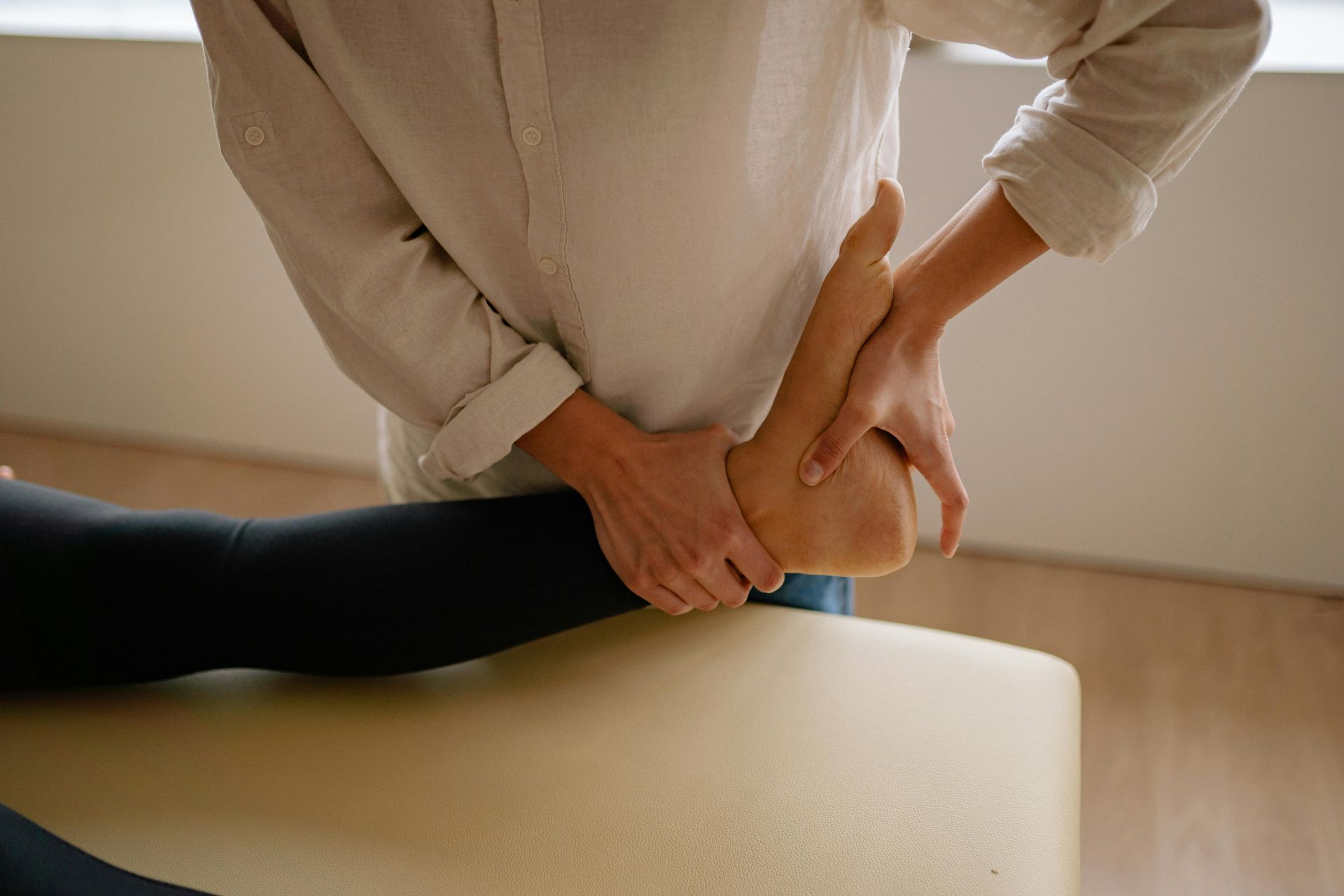
First, an ultrasound gel is put on your skin, (shoulder, knee, elbow, foot), to help the energy and soundwaves transfer. Then, a device sends acoustic waves to the affected area. You might feel a bit of tapping or mild discomfort, this just means the waves are making it to the injured area and the healing process has begun.
You'll need 8-10 shockwave therapy sessions over the course of 6-8 weeks. This lets your body heal and respond between treatments. After each session, you might feel a bit sore or swollen, like after a tough workout. One of the great things about ESWT, is that there is no downtime; you can finish your session, leave the doctor’s office, and go about your business. Here is the summary of the shockwave therapy treatment:
- Non-invasive procedure, no surgery, no needles
- Quick sessions (5-10minutes), you don't have to rest all day after getting a treatment
- Mild discomfort during treatment, this is a healing reaction, the patient gets used to it and during the therapy the discomfort is very mild.
- 8-10 sessions recommended, 6-8 weeks to allow new collagen to be laid down and damaged tissues to start healing.
- Possible mild soreness post-treatment, this goes away quickly.
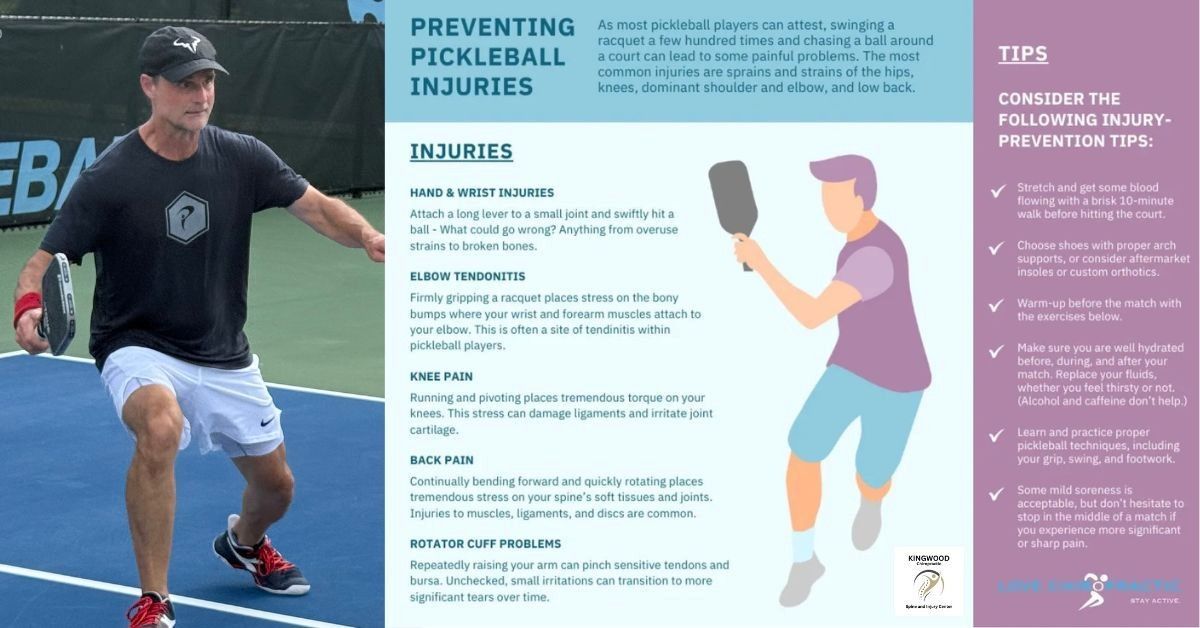
Shockwave therapy has really helped many people get out of pain and back to doing what they love to do whether that be golf, pickleball, walking their dog, running, cross-fit or traveling. Patients often see big drops in pain and better movement. The benefits keep getting better with more treatments, giving you lasting relief and a better life.
Shockwave Therapy Near Me: Finding Local Treatment Options
Searching for a reputable shockwave therapy provider online is your first step. Finding a shockwave therapy and a reputable doctor is key to your treatment's success. Shockwave therapy is now a popular choice, with a success rate of 85-92% for chronic extremity pain. Within 3 visits the patient is usually noticing positive change in pain reduction and range of motion; if the patient is seeing no change after 3 sessions it usually means it is not going to work for them.
Choosing a Qualified Provider
When you search for "shockwave therapy near me", make sure to find certified experts in StemWave therapy. Look for physical therapy, chiropractic offices or sports medicine places that offer this treatment. Read the online reviews and testimonials for your local shockwave therapy providers; get a good idea of their experience and the results they are seeing with their patients.
Questions to Ask Before Treatment
Before starting, ask about the practitioner's experience and how many sessions they suggest. Patients usually need 8-10 sessions for best results. Ask about costs, which can be $100 to $250 per session, and if your insurance covers it. Make sure the clinic uses top-notch equipment and follows the right protocols.
By picking a skilled provider and asking the right questions, you're set to try shockwave therapy . Its non-invasive nature and few side effects make it a top choice for chronic pain and tendonitis.
FAQ
What is shockwave therapy?
Shockwave therapy is a treatment that uses sound waves to help promote healing and reduce pain. The therapy uses acoustic soundwaves that penetrate deep into the injured area to cause a natural healing response. It was first used for kidney stones but now helps with many musculoskeletal issues. It's used in orthopedics, physiotherapy, chiropractic and sports medicine.
How does shockwave therapy work?
This therapy sends sound waves to the affected area including the joint and surrounding musculature. These waves cause small injuries, that agitate the area, this help turn on a healing response from the body. It boosts blood flow, speeds up repair, and lessens swelling by releasing growth factors, stem cells and by breaking down scar tissue.
What are the benefits of shockwave therapy?
Shockwave therapy reduces pain and helps with tissue repair and regeneration. It improves mobility and breaks down scar tissue. It also helps with nerve activity, reduces inflammation, and increases blood flow.
What conditions can be treated with shockwave therapy?
It's used for chronic tendon issues like tennis elbow, plantar fasciitis, rotator cuff syndrome and Achilles tendinopathy. It also helps with patellar tendinitis, shoulder tendinitis, and sports injuries. Plus, it treats chronic pain and musculoskeletal disorders like lumbar disc herniations and bulges.
What happens during a shockwave therapy session?
First, a gel is put on the skin to help transfer the sound waves into the affected area. Patients might feel like they're getting quick, strong taps, this is just the sound of the machine making the soundwave. Sessions last 5-10 minutes and usually need 8-10 treatments over a 6–8-week period.
What should I look for when choosing a shockwave therapy provider?
Look for certified and skilled practitioners who can make a treatment plan just for your condition. Most shockwave therapy practitioners are getting great results with shoulder pain, knee pain, elbow pain and plantar fasciitis; definitely ask the provider if they have experience in treating your condition. Choose places focused on physical therapy, chiropractic care or sports medicine. Ask about their experience, how many sessions you'll need, what results to expect, costs, and insurance coverage.
Are there any side effects of shockwave therapy?
You might feel a bit sore or swollen after, like after a tough workout. But shockwave therapy is usually safe with no downtime after treatment. The patient might have minor bruising or swelling in their injured area but it is short lived. There are certain contraindications to using shockwave therapy like cancer, bleeding disorders, pace makers and you have to wait 30 days to get ESWT if you have had a Cortisone shot.
How does shockwave therapy compare to mainstream medicine's treatments?
ESWT uses your body's natural healing processes to help repair damaged or injured tissues, these being tendons, ligaments, muscle, cartilage and collagen. The shockwaves agitate the injured area and stimulate a healing response by the body; this is much different than a surgery or taking a medication. A knee or shoulder surgery usually involved removing or repairing the damaged muscle, meniscus, cartilage or tendon. To fix a rotator cuff tendon they might use screws and sutures to attach the tendon to a bone. Other medical procedures might involve removing a bone spur or adding a piece of muscle from your good shoulder to the affected shoulder to improve function. Then there is shoulder or knee replacement which involves putting in a prosthetic device to act as a knee joint or shoulder joint. In general shockwave therapy requires no down time; you can come in and get treatment and then continue on with your normal daily errands and hobbies. Full replacement surgeries by an orthopedic doctor can initially take weeks to recover from the pain, (post operative muscle, joint and nerve pain), then requires comprehensive physical therapy, chiropractic or rehabilitation, and may not get back to full function for 1 year or longer.
Who is a good candidate for shockwave therapy for knee pain or shoulder pain?
The best candidates by far, says Dr. Hamel, are those patients who are not able to physically do the things they love to do because of knee pain, shoulder pain, plantar fasciitis, tennis elbow or other injuries. People who just want to get out of pain and not necessarily get back to being active may be better off going the medical route with surgeries and medicine. Patients who have responded the best to shockwave therapy in our office are people who want to get back to golf, tennis, pickleball, walking their dog, the gym, traveling or playing with their kids or grandkids. These patients have a bigger WHY, to why they want to get better; of course they want to get out of pain, but they want to get rid of pain so that they can get back to doing something they love, they really miss, and it is driving them crazy. The best patients are those who are committed to getting better, ready to put in the time and effort to rehab and recover; NOT the quick fix type of person who just wants to take medicine but not participate in their care. The patients with these specific conditions are responding best to a shockwave therapy protocol over 6-8 weeks: knee osteoarthritis, knee sprain, patellar tendinitis, rotator cuff syndrome, frozen shoulder, impingement syndrome, tennis elbow, golfer's elbow, Achilles tendinitis, low back disc bulge/herniation, carpal tunnel syndrome and plantar fasciitis.
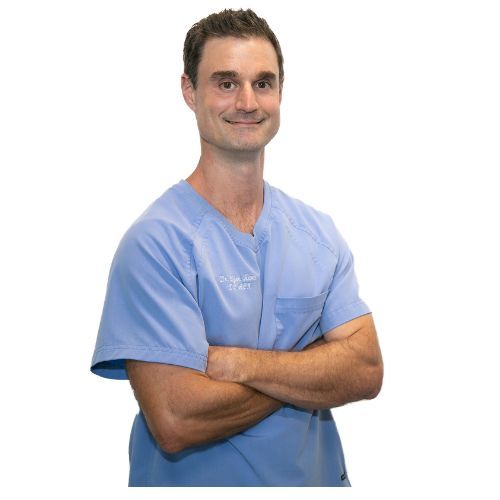
About Dr. Tyler Hamel
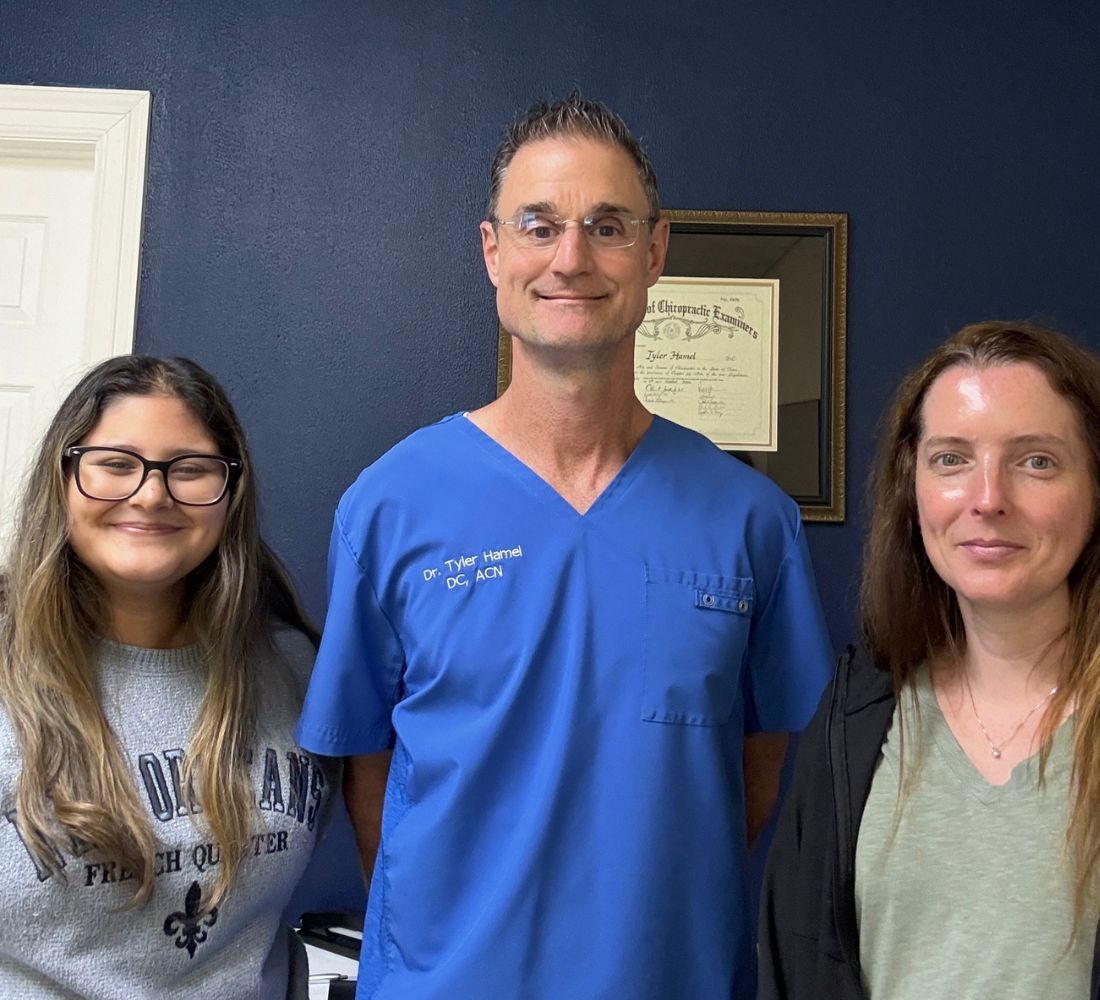
Dr. Tyler Hamel is an experienced chiropractor with over 25 years of clinical practice, specializing in the treatment of neck pain, back pain, and car accident-related injuries, including whiplash. As the owner of Kingwood Chiropractic Spine and Injury Center, he provides comprehensive, conservative care to patients in Kingwood and the northeast Houston area using chiropractic adjustments, corrective exercises, shockwave therapy, and cold laser therapy. Dr. Hamel frequently collaborates with attorneys and other healthcare providers in personal injury cases to ensure coordinated care, proper documentation, and appropriate referrals. A member of the Texas Chiropractic Association, he is committed to ongoing education and advancing clinical excellence while helping patients achieve lasting relief and improved function.
Recent Posts