Say Goodbye to Heel Pain: How Extracorporeal Shockwave Therapy Can Cure Your Plantar Fasciitis
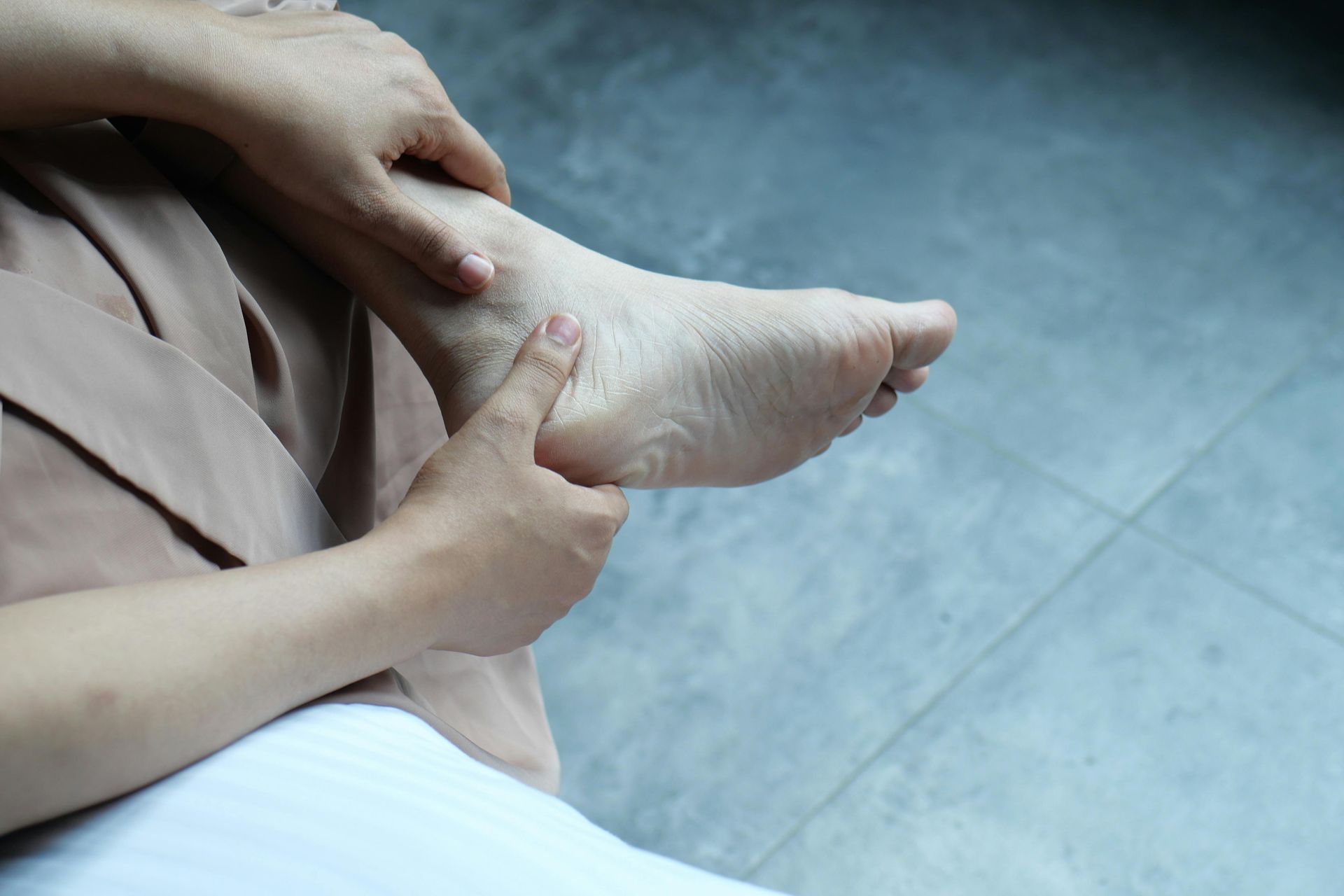
Imagine waking up with no pain in your heel. Ditch the quick fixes and find a real cure for plantar fasciitis. Extracorporeal Shockwave Therapy (ESWT) could be the answer. Let’s learn how this new treatment can make you pain-free, playing pickleball, hiking or getting back to the gym again. Say goodbye to heel pain for good and start enjoying life again.
Plantar fasciitis can give you excruciating pain in heel and foot arch. It can make walking really painful, even to the point where you don't even want to take that first step out of bed in the morning. Yet, ESWT is a new treatment that can cure it by reducing inflammation and bringing in blood flow and oxygen. We will show you how ESWT helps, the good things about it, and where to find help locally. Say bye to heel pain - you deserve relief.
Key Takeaways
- Plantar fasciitis is a common and painful foot condition that can severely impact your mobility. This is the most common foot injury that sidelines people in the Houston, Texas area.
- Extracorporeal Shockwave Therapy (ESWT) is a cutting-edge, non-invasive treatment that can effectively cure plantar fasciitis by enhancing the body's natural ability to heal.
- ESWT promotes natural healing by stimulating increased blood flow and tissue regeneration in the affected area.
- Finding a qualified shockwave therapy provider in your local area is crucial for achieving the best possible results.
- ESWT offers faster recovery times and a lower risk of complications compared to traditional plantar fasciitis medical treatments.
What is Plantar Fasciitis?
Plantar fasciitis is a common and often painful problem in the plantar fascia or bottom side of the foot, most people feel it on the underneath side of the heal. The plantar fascia, a thick tissue band, gets inflamed and that is why you see the "itis" next to the name. This causes pain mostly in the heel, the arch and sometimes the Achilles tendon. It's often seen in runners, people on their feet all day, or those who love to be active. Knowing the signs and triggers of plantar fasciitis is key. If you are searching for plantar fasciitis relief, you have to know what your options are that will meet up with your goals.
Understanding the Causes and Symptoms
Plantar fasciitis mainly happens from too much walking, running, or standing. This stress makes the plantar fascia get inflamed and irritated. That's why there’s a strong pain in the heel, especially in the morning or after resting. The ache gets worse with lots of activity or long standing. Many people with this foot condition also have fallen arches which puts additional stress on the joints and muscle of the feet.
Risk Factors for Developing Plantar Fasciitis
Overuse is a probably the most common reason, but other things can make plantar fasciitis more likely. These include being too heavy, wrong shoes, and foot shape issues like high arches or flat feet. Knowing these risks can lead to prevention or better management of the disease. Plantar fasciitis treatment is key, often times traditional medicine like physical therapy, cortisone shots or surgery does not fix the problem. The latest, cutting-edge technology uses acoustic sound wave, you can search shockwave therapy near me, online to learn more about this therapy.
Introducing Extracorporeal Shockwave Therapy
Do you feel plantar fasciitis's long-lasting pain? Extracorporeal shockwave therapy (ESWT) could help you. It's a new, non-surgical treatment that uses sound waves. These waves help to stimulate a healing reaction in your body, bring more blood, oxygen and stem cells to the area to accelerate healing and repair.
How Does Shockwave Therapy Work?
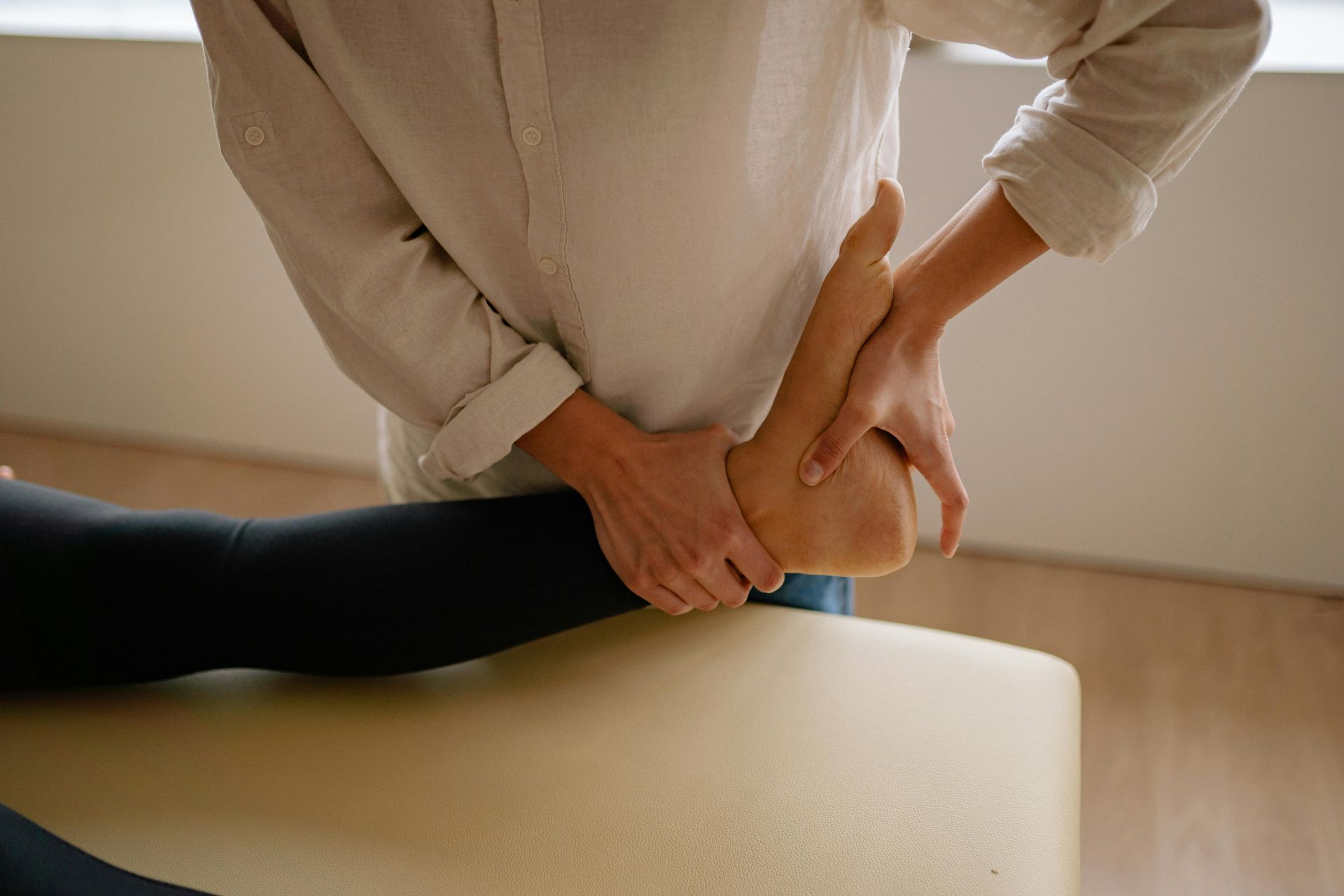
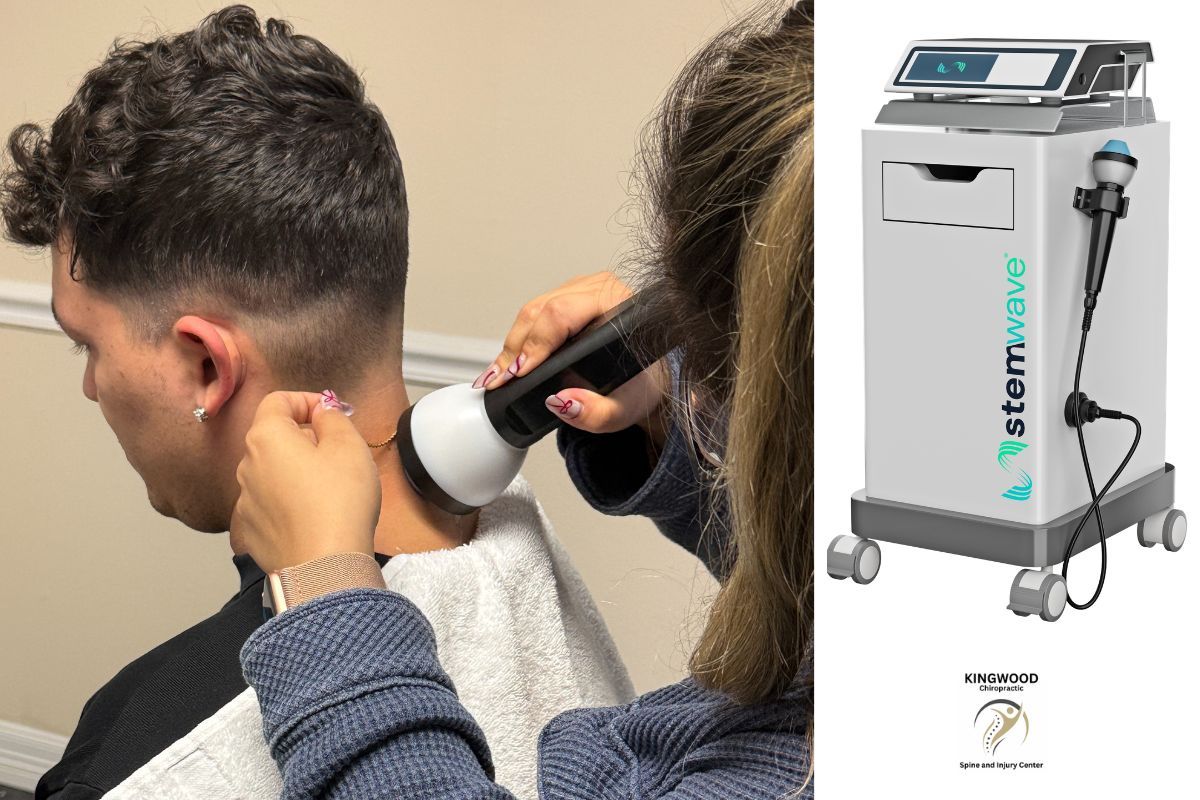
In an ESWT treatment, a special gadget sends acoustic sound waves to specific areas on your foot including the heel, the plantar fascia and other little ligaments and tendons of the foot. The waves promote healing, they help increase blood flow, decrease swelling/inflammation, and repair damaged tissue. This makes your plantar fasciitis get better faster, helping you to get back on your feet and active again with little to no pain.
Benefits of Shockwave Therapy for Plantar Fasciitis
Using ESWT on plantar fasciitis is better than more traditional medical treatments, It helps you in these ways:
- You get back to normal quickly, within 6-8 weeks most patients see significant improvements in range of motion and pain relief.
- The accelerated heeling response is like no other therapy, the waves make your body think there is a new injury and this starts the process of healing cells and oxygen rushing to the area to heal.
- There's less chance for bad side effects. Compared to pain shots and surgery, shockwave therapy has little to no side effects; you may experience a little bit of discomfort during the treatment and after, but you are not laid up in bed.
- You're less likely to have the problem come back. Shockwave therapy helps to fix the problem; this is the best way to prevent plantar fasciitis from coming back. You will want to keep up with maintenance ESWT treatments once a month to make sure you stay healthy.
Start by searching Google or Bing for Shockwave therapy near me is the first step in finding a provider that offers ESWT, this is a fairly new therapy so it might be hard to find a shockwave therapy facility near your area. Some call it the future of healing, this is a great option to treating plantar fasciitis, It really works and you don't have to worry about getting surgery or long-term physical therapy. If you want the pain to stop and feel better, check out this treatment in your area.
Finding shockwave therapy near me
Do you have plantar fasciitis and want shockwave therapy? First, find a service near you. Start by asking your doctor if they know of any providers in the area who have experience with ESWT. Talk to your friends, church congregation, family or co-workers to see if anyone you know has experienced shockwave therapy treatment and what were the results.
You can also look online for "shockwave therapy near me.", look for reviews on Google, Yelp, Facebook or medical sites like Zocdoc and Healthgrades. Look for a clinic that focus on this type of alternative wave treatment. Find the best office to get therapy and make sure the doctor has a good track record and outcomes for treating plantar fasciitis with shockwave therapy.
Preparing for Your Shockwave Therapy Session
Before you go to your shockwave therapy session, know what's coming. Your doctor will put some ultrasound gel on the area of pain such as the plantar fascia, knee or shoulder. Then, a special device sends strong sound waves to the areas of injured tissues and inflammation. As the patient you may feel some discomfort and that means the healing process is happening. The great thing is that the therapy does not last very long, and often times you feel a significant change in pain and mobility right after the session.
What to Expect During the Treatment
During the session using shockwave therapy for plantar fasciitis, you might feel some discomfort and that is a normal part of the healing process. But, it's not too bad. It only takes 10-15 minutes. After, you can go back to doing your regular things. You can look at a live example of shockwave therapy, a before and after using thermal scanning to see the changes in inflammation. In the video below you can see the changes in inflammation before and after the shockwave therapy treatment using thermal scans.
=> shockwave therapy treatment for Plantar Fasciitis
Aftercare and Recovery
After getting shockwave therapy for plantar fasciitis, you'll get care instructions from your doctor. These steps are key for good results and a quick healing process. These recommendations include specific exercises and stretches, ice packs, and making sure not to overdo it with activity. It is very important to limit irritation and inflammation when working towards getting your plantar fasciitis relief.
Managing Pain and Swelling
After your shockwave therapy session with your local provider, you might feel slight pain or see swelling in the area. Your doctor may advise using ice packs on your foot for 15-20 minutes multiple times daily. This helps lower swelling and ease any pain, swelling prevents healing so you want to limit that as much as possible. Taking anti-inflammatory medicine or natural alternatives like glucosamine, turmeric and fish oil may also be a recommendation for managing symptoms and promoting recovery.
Recommended Exercises and Stretches
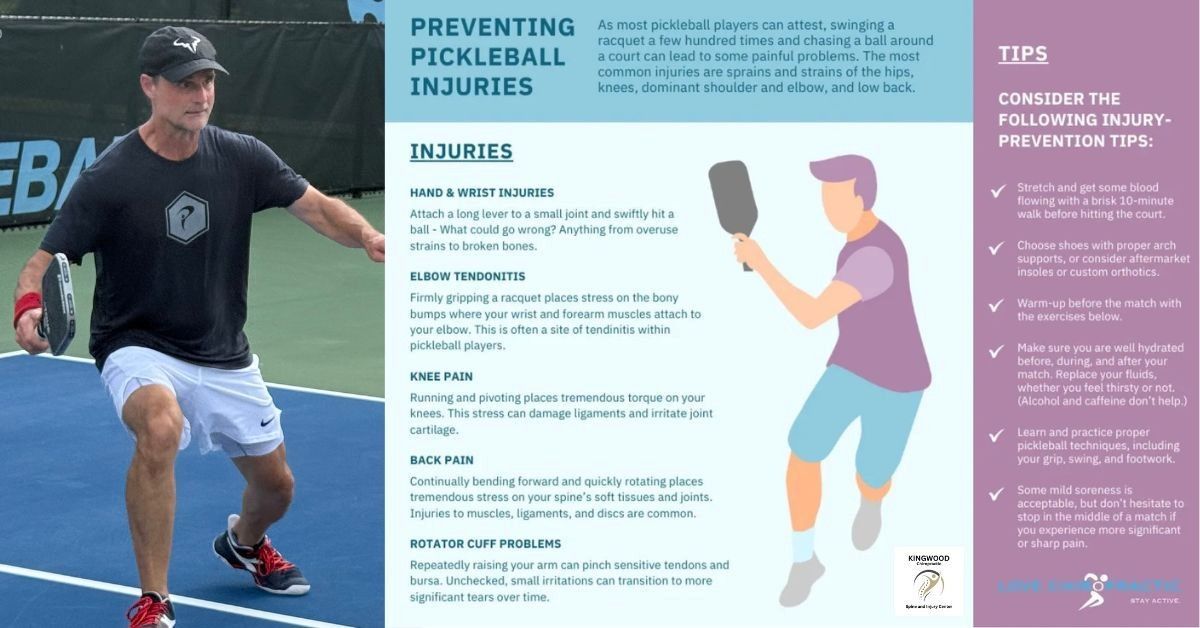
Your healthcare provider might also recommend certain exercises and stretches. These aim to help healing, strengthen the area and prevent the need for further plantar fasciitis treatment. Working on strengthening your arch and calves can go a long way to supporting plantar fascia health. Following the aftercare instructions closely is important for a good recovery. Taking an active step in post-treatment care boosts the benefits of shockwave therapy for plantar fasciitis. It helps you get back to regular activities faster and enjoy life without heel pain. Most patients we seeing coming in for shockwave plantar fasciitis treatment are active and they are missing competing in the favorite sports or activities like gardening, walking their dog, golf, tennis, pickleball, and hiking
Shockwave Therapy vs. Traditional Treatments
Shockwave therapy is a new, cutting-edge treatment technology which helps accelerate healing naturally by reducing inflammation, boosting blood flow, and recruiting stem cells and other healing cells in the area. Many people are seeking out this non-invasive treatment because they don't want to take pain medicine long term or they are trying to avoid foot surgery. With shockwave therapy there is little to no down time; you come in a get the treatment and walk out of the office and continue on with your day.
Comparing Effectiveness and Recovery Times
Shockwave therapy
is better than traditional medicine, surgeries or pain shots because people get back to their normal life faster. This helps a lot if you're very active or your job or your hobbies where you need to be on your feet a lot. This new type of treatment heals the injured tissues, It gets to the real problem, not just the pain. Typical treatment duration for shockwave therapy is anywhere from 8 weeks to 12 months depending on the patient’s goals; do they just want to get out of pain or are they competing in a weight lifting competition or volleyball tournament?
Success Stories and Patient Testimonials
Many people have found help through shockwave therapy for plantar fasciitis. William, who is in his 50's, loves to compete in military type competitions where he has to run, be agile and target shoot. He couldn't find lasting relief with normal treatments such as massage, exercises, physical therapy or PRP shots. But shockwave therapy changed everything. "I only needed a few sessions. Then, my heel pain and plantar fasciitis vanished," he said.
Shelly, a 45-year-old runner was getting ready for the Houston marathon and had terrible foot pain and plantar fasciitis, she shared, "Shockwave therapy really helped me, I have way less pain and feel more comfortable training for the marathon"
These stories show shockwave therapy is great for plantar fasciitis. It can help active people or those who stand a lot. Do you need relief and who is this therapy good for? This treatment is great for those people with chronic foot pain, low arches, active people who already wear foot orthotics but still have pain, people who love to hike and walk, people who may be a little over weight causing extra stress and irritation to their plantar fascia. Shockwave therapy could help you get out of pain and get back to playing pickleball, golfing, training for that 1/2 marathon, going to your Cross-Fit workout, or just being able to walk your dog.
Potential Side Effects and Risks
Shockwave therapy is safe and effective for plantar fasciitis. But a few side effects can happen. You might have mild pain, swelling, or bruising. These side effects, if they happen at all, usually only last for one day and then they are gone. I always tell patients, says Dr. Hamel, you can never be worse after shockwave therapy; the healing nature of this therapy is there to help repair injured tissues; that is always a plus. Before getting shockwave therapy, talk to your doctor, there are a few contraindications like having an active tumor, having cancer, issues with blood clotting, if you are taking too many medications and if you have had a cortisone shot within 30 days. For any person getting a cortisone shot or other pain injections, wait for 30 days until you begin shockwave therapy. When dealing with plantar fasciitis treatment, it is all benefits, if you are not seeing improvement within 3 sessions than it is probably not the right therapy for you, at least you don't have to go through 3 months of treatment to see if it works or not.
Choosing the Right Shockwave Therapy Provider
When picking a shockwave therapy provider for your plantar fasciitis, it's vital to research. Choose a place with skilled and experienced staff.
Find providers focused on treating plantar fasciitis with a good success rate. Search online for shockwave therapy near me to find experts in your local area that can meet your specific needs. In the Kingwood and north Houston area, Kingwood Chiropractic has good experience with shockwave therapy and great google reviews talking about their results with shockwave therapy and getting back to tennis or golf.
Evaluating Experience and Expertise
Evaluate shockwave therapy providers locally in your Kingwood, Humble or north Houston area. Places like Shockwave centers that helped many with plantar fasciitis as well as shoulder tendinitis and knee osteoarthritis are a good find. Ask the doctor about their training, success rates, and certifications. This shows their skill and knowledge in shockwave therapy.
Understanding Treatment Costs
Know the costs of shockwave therapy for plantar fasciitis. Many focused shockwave therapy facilities, like Kingwood Chiropractic have payment plans to help. The best way to begin says Dr. Hamel is to come in for an initial visit. During the initial visit the doctor will map out the area of your foot to figure out the areas with the most severe inflammation and damage. You will get your initial session and see how you feel after, it is not unusual, says Dr. Hamel for our new shockwave therapy patients to feel 10-15% better after their first visit. The investment is minimal compared to other expensive medical procedures, medicines and injections; and with shockwave therapy there are very few, if any side effects. If you are looking to get back to doing the things you love to do like run, travel, hike or play tennis, the investment in shockwave therapy is very affordable.
Conclusion
Plantar fasciitis is a tough problem, thousands of Houstonians deal with this condition every day, and many of them have not found a solution. But shockwave therapy can help you a lot, it helps get you back to doing the activities and hobbies you love without pain. This new treatment actually helps to regenerate damaged tissues, cartilage and joints.
Finding or searching online for “shockwave therapy near me" is your first step. You really have to experience a treatment to understand how well it works and how it can make heel pain and plantar fasciitis go away. This treatment helps runners, golfers, pickleballers, warehouse workers, and anyone who has to walk a lot throughout the day. We understand that chronic pain wears you down, but don't give up on plantar fasciitis treatment. Talk to your local shockwave therapy provider and see what kind of experience they have treating plantar fasciitis.
FAQ
What is plantar fasciitis and what causes it?
Plantar fasciitis makes the bottom of your foot hurt and get swollen. It happens when you use your feet too much, like walking a lot. Certain things can make it more likely to happen, such as being overweight or having unusual feet.
How does Extracorporeal Shockwave Therapy (ESWT) work for plantar fasciitis?
Shockwave therapy involves sending sound waves to the affected area to stimulate healing. These sound waves promote blood flow, reduce inflammation, and encourage the repair of damaged tissue, leading to pain relief and improved function.
Is ESWT painful?
While some patients might experience mild discomfort during the procedure, most find it tolerable. The intensity of the shockwaves can be adjusted to ensure patient comfort. After the treatment, there may be some soreness similar to what you might feel after a vigorous workout.
How many sessions of ESWT are typically required to see results?
The number of sessions needed can vary depending on the severity of the condition and individual response to the treatment. Generally, patients may require between 10-24 sessions, initially doing 2 treatments per week, then once a week with eventually once a month. To achieve ultimate results, recovery and whatever your goals are after therapy, follow the providers recommendations.
How can I find a shockwave therapy provider near me?
You can start by talking to your doctor, church friends, co-workers, They might know where you can go for shockwave therapy. You can also find places online by searching for "shockwave therapy near me" or search the provider base for the shockwave therapy units from StemWave; you can see if there is a provider close to your area.
Are there any side effects or risks associated with ESWT?
ESWT is a non-invasive treatment with minimal side effects. Some patients may experience temporary redness, swelling, or bruising at the treatment site. Serious complications are rare. However, it is important to consult with a healthcare provider to determine if ESWT is suitable for you. Often times patients feel better after a session, it is very important not to overdo it with activities that may irritate your foot and slow down the healing process.
How soon can I expect to feel relief after starting ESWT?
Some patients report experiencing pain relief after just one session, but it typically takes a few weeks to notice significant improvements. Remember shockwave therapy accelerates the healing process, it takes a certain amount of time for injured tissues to repair. We see our plantar fasciitis patients for at least 6-8 weeks, each treatment builds on the last one so the patient experiences more improvement as the weeks go on. Be patient, says Dr. Hamel, let the healing happen and don't sabotage the results by doing too much activity.
Resources:
Blog article: => 5 Compelling Reasons To Try Shockwave Therapy
Instagram => Knee Pain Shockwave Therapy Session
YouTube => Shockwave Therapy Testimonial, Nothing Else Has Worked
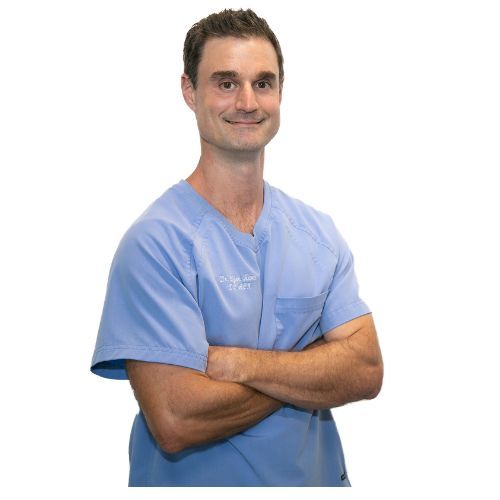
About Dr. Tyler Hamel
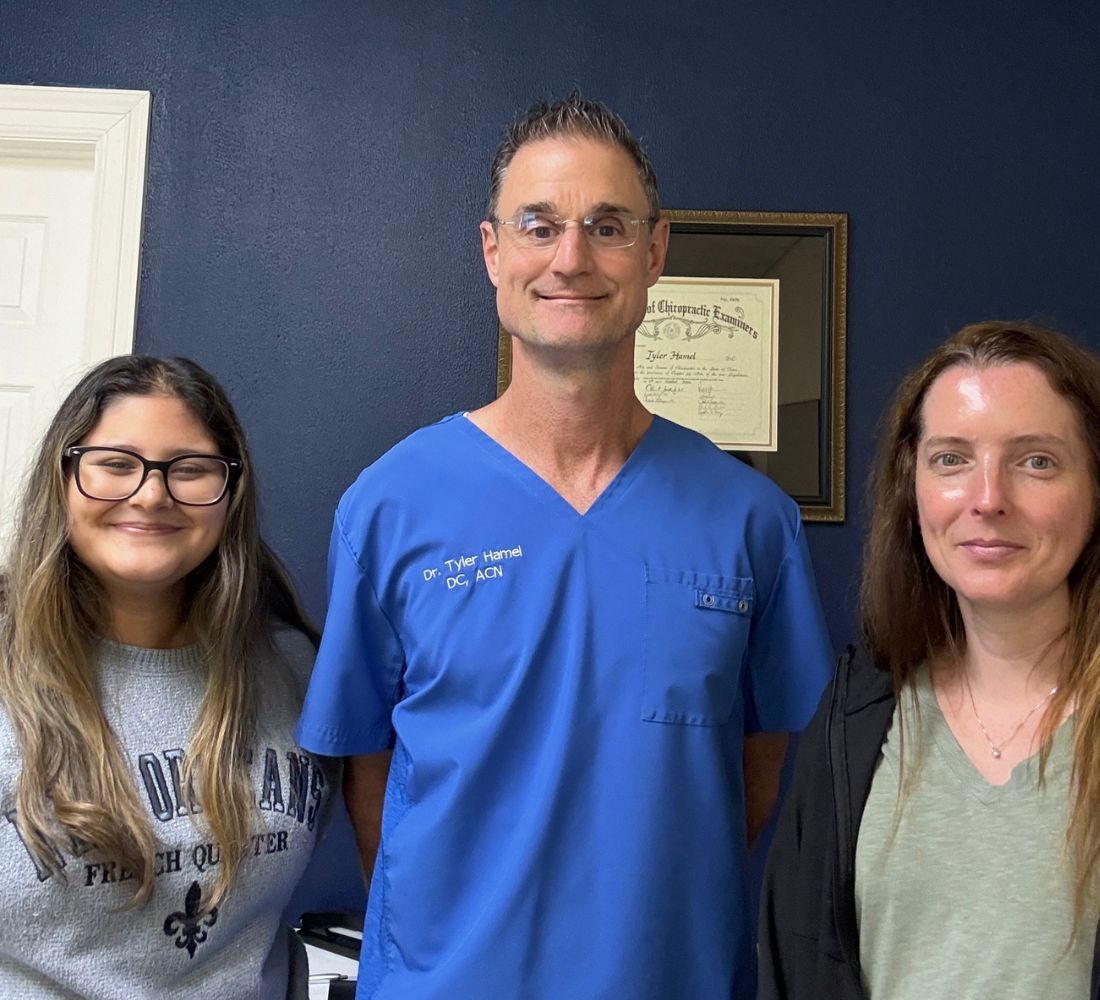
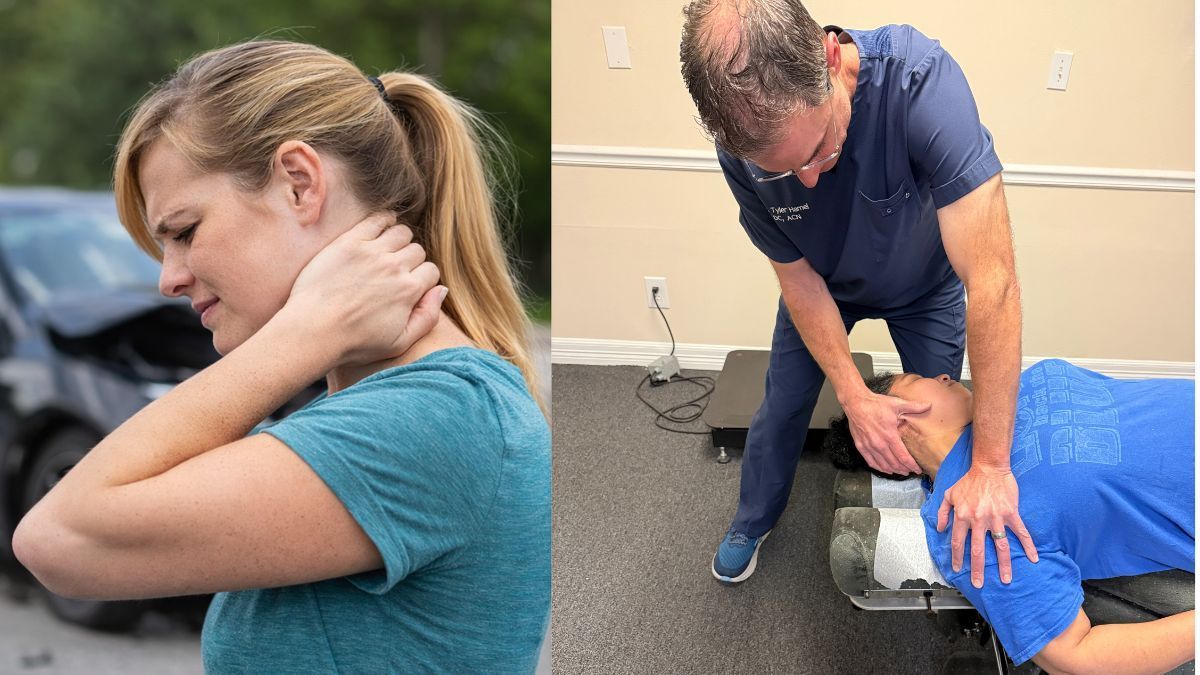
Dr. Tyler Hamel is an experienced chiropractor with over 25 years of clinical practice, specializing in the treatment of neck pain, back pain, and car accident-related injuries, including whiplash. As the owner of Kingwood Chiropractic Spine and Injury Center, he provides comprehensive, conservative care to patients in Kingwood and the northeast Houston area using chiropractic adjustments, corrective exercises, shockwave therapy, and cold laser therapy. Dr. Hamel frequently collaborates with attorneys and other healthcare providers in personal injury cases to ensure coordinated care, proper documentation, and appropriate referrals. A member of the Texas Chiropractic Association, he is committed to ongoing education and advancing clinical excellence while helping patients achieve lasting relief and improved function.
Recent Posts