Heal Faster: Shockwave Therapy for Plantar Fasciitis Relief
Tired of the relentless heel pain that keeps you from enjoying your daily activities? Imagine finding a treatment that not only alleviates your discomfort but accelerates your healing process. Enter shockwave therapy—a cutting-edge solution that's transforming the way we treat plantar fasciitis. In this article, we'll uncover how this innovative therapy can help you heal faster and get back on your feet. Don’t let heel pain hold you back any longer; discover the benefits of shockwave therapy and find a local provider to start your journey to pain-free living today! Take the initiative to getting the plantar fasciitis treatment you need by searching Google or Bing for shockwave therapy near me.
In this article, you'll learn how this acoustic soundwave therapy makes you heal faster and get you doing the activities you love to do again without pain. Whether it be pickleball, tennis, golf, hiking or just walking the dog; shockwave therapy is the future of non-surgical healing and repair. From this point on, imagine that you will be able to step back into life without heel pain.
Key Takeaways
- Shockwave therapy for plantar fasciitis is a non-invasive and non-surgical treatment.
- It uses acoustic sound waves generated from an electric shock to promote faster healing, reduce inflammation and pain relief.
- This therapy targets the affected area, stimulating natural repair processes by bringing stem cells and other healing cells into the area of injury.
- Many patients report significant improvement in range of motion, and pain relief after just a few sessions.
- Shockwave therapy can improve your quality of life by reducing chronic heel pain and chronic irritation to the plantar fascia.
Understanding Plantar Fasciitis
Many people face plantar fasciitis, this means the part of your foot that connects the heel to the toes is inflamed. It's important to know about the signs, causes, and things that make this condition more likely. Picking the right treatment and easing the pain is what every patient is looking for when it comes to heel and foot pain.
What is Plantar Fasciitis?
Plantar fasciitis happens when the tissue at the foot's bottom gets inflamed, this fascia is like a very thin muscle and gets irritated through wear and tear. This tissue, the plantar fascia, helps support your arch and handles the pressure when you move. If it becomes inflamed, walking can be very painful. This plantar tissue gets irritated by repetitive overuse activities like walking, tennis, pickleball, golf and running. Some people just have very flat arches which leads to more pressure on the plantar fascia, the Achilles tendon and the calf. Often times we see our plantar fasciitis patients come in with Achilles tendinitis and very tight calves says Dr. Hamel, of Kingwood Chiropractic, it all seems to go together.
Common Symptoms of Plantar Fasciitis
A main sign of plantar fasciitis is a sharp pain in your heel, usually on the underside of the heel, closest to the mid foot. It's often worse in the morning when you first step out of bed, because that is when the fascia is the tensest. The pain often goes away with activity, but will come back after long periods of standing or sitting.
Causes and Risk Factors
There are things that might make you more likely to get plantar fasciitis. These include being overweight, having flat feet or being over-pronated, wearing shoes that don't support your arch, and doing a lot of running, jumping or other repetitive movements. Once you know the causes of plantar fasciitis you will be better able to prevent it from coming back after you get the right treatment to fix it.
Why Shockwave Therapy for Plantar Fasciitis
Shockwave therapy, or Extracorporeal Shock Wave Therapy (ESWT), is the newest, cutting-edge modality to fix and heal plantar fasciitis. It uses acoustic sound waves to help accelerate healing of the injured plantar fascia tissue. This method is becoming the top, non-surgical pick for those patients suffering with long-lasting heel pain.
Science Behind Shockwave Therapy
This therapy relies on sound waves that penetrate deep into the joint area, tissue, cartilage and tendons. Once inside, these waves start a healing chain reaction by attracting stem cells, oxygen and other healing cells. This reaction increases blood flow, reduces swelling, and helps to generate new tissue or collagen. Reducing inflammation and improving blood flow are two main reasons that areas are not healing in the first place, shockwave therapy addresses both of these.
Effectiveness of Shockwave Therapy in Treating Plantar Fasciitis
Many studies back shockwave therapy's success against plantar fasciitis, they show big improvements in pain and function. People often feel their heel pain diminish after only a few sessions, they are able to walk and do more activities without the sharp pain in their heel. Because of this, many foot doctors, physical therapists, chiropractors and experts prefer ESWT. They trust it to help patients recover quickly without having to worry about severe side-effects and long healing times that a patient would experience from surgery.
What to Expect During Shockwave Therapy Sessions
Starting shockwave therapy is a big deal for plantar fasciitis healing. You will learn what happens during each session and what to expect as the patient.
Initial Consultation with a Plantar Fasciitis Specialist
You start with a meeting with the specialist to do an examination and consultation. Most providers offering shockwave therapy are chiropractors, orthopedic doctors and physical therapists. Give the doctor the detail about your injury, how is plantar fasciitis affecting your everyday life, tell them specifically of the hobbies, sports or activities you wish you could do but are unable to do because of the pain.
Procedure Description
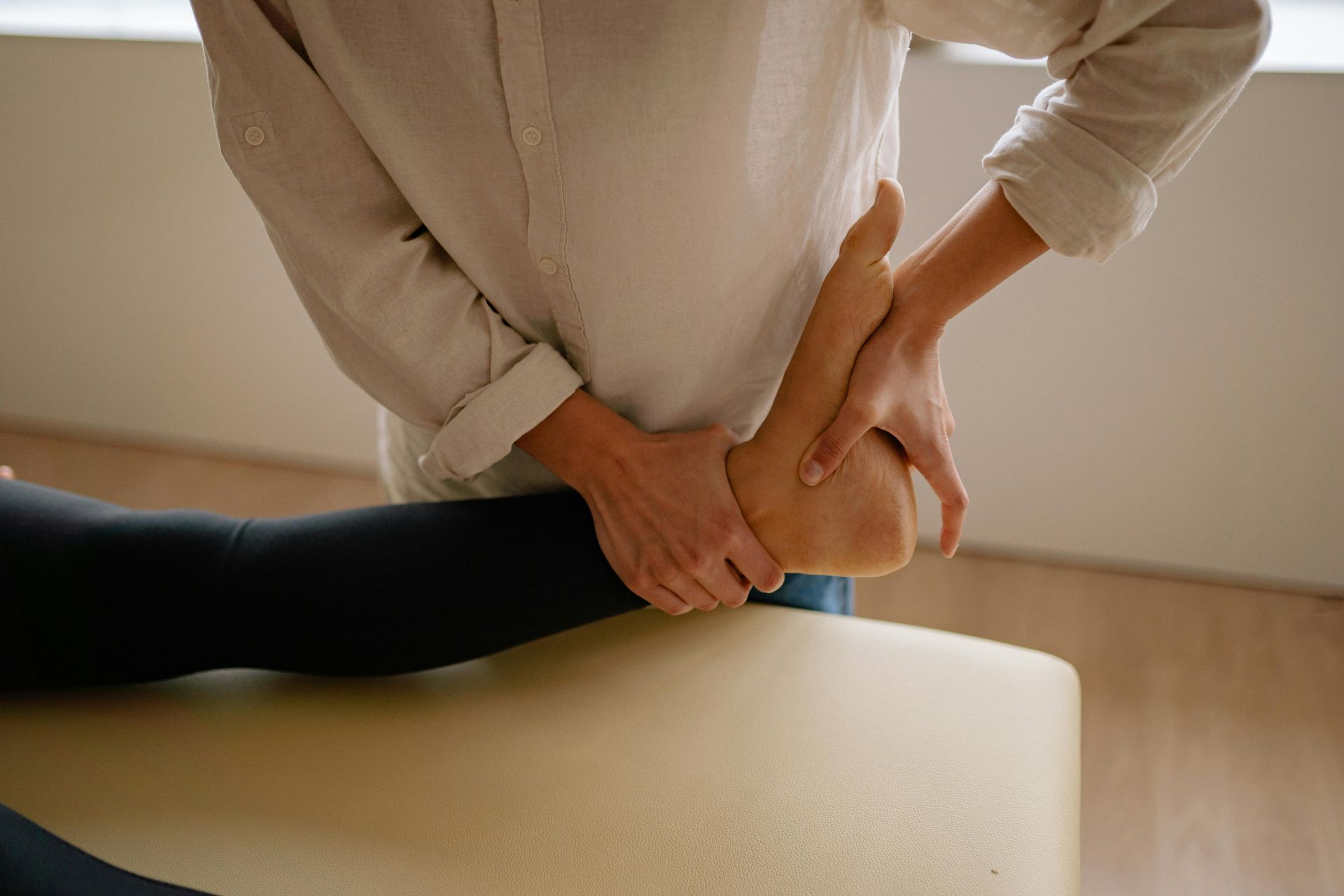
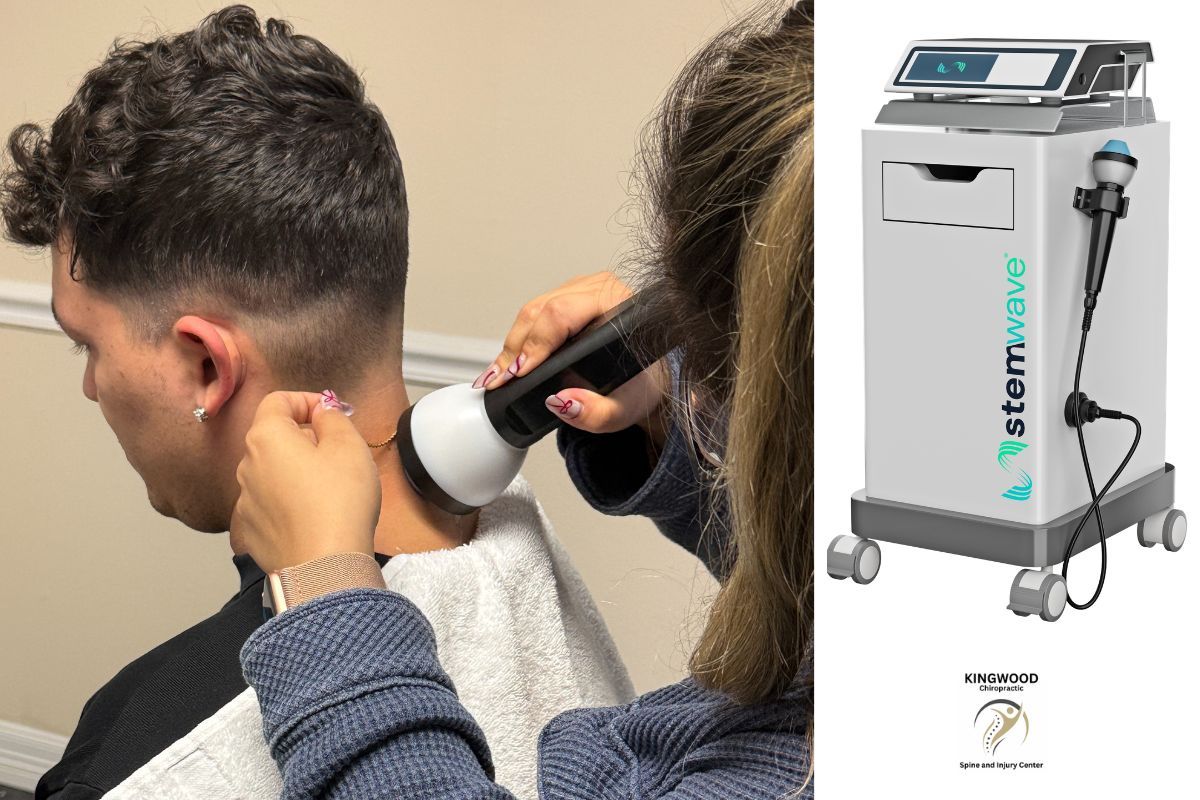
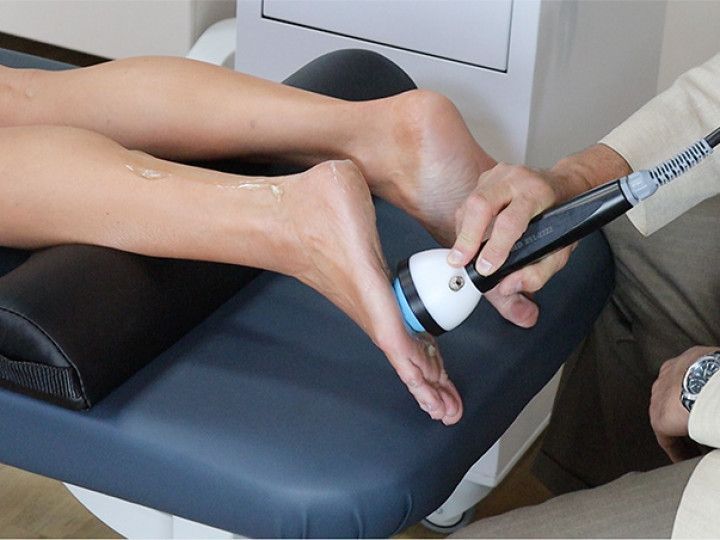
If you are a good fit, you will receive your first treatment. A special tool sends shockwaves to your heel and plantar fascia area. The soundwave actually goes through ultrasound gel and deeply penetrates the joints of the foot, the plantar fascia and all the other little ligaments and tendons located on the bottom of the foot. This quick, comfortable, treatment takes 10-15 minutes, the initial protocol for shockwave therapy is 10 visits, each visit builds on the last one. If we do not see improvement within 3 visits, says Dr. Hamel, preferred Kingwood shockwave therapy provider, it means this therapy is probably not for them. Over 80% of our new patients experience 5-15% improvement after their first session, meaning they feel less heel pain, foot pain and they can walk with less pain.
Post-Treatment Care
After the visit, you must rest for a little while, you can still do activities but do not overdo it. Avoid hard work and any activity that irritates the problem. Listen to the specialist's advice for the best outcome, they will usually recommend ice packs and gentle exercises to help accelerate the healing process of your plantar fasciitis. Searching online for "shockwave therapy near me" is the best way to find a provider who can meet your needs, and help you reach your therapy goals. You want a doctor who has experience with shockwave therapy and who can help guide you to getting back to a pain free and active lifestyle.
Benefits of using Shockwave Therapy
Shockwave therapy is great for heel pain from plantar fasciitis. It has many benefits that make life better for those with chronic heel pain. These benefits help separate this soundwave therapy from other mainstream medicine procedures, physical therapy or strong prescription medication. Here they are:
Non-Invasive Treatment
Non-invasive plantar fasciitis treatment means no surgery, no cutting, which means the recovery takes little to no time. Shockwave therapy is very safe and causes little to no discomfort in its methods. This is probably the most significant benefit with this therapy, you have little to no down time and little to no side-effects.
Rapid Pain Relief
Shockwave therapy quickly reduces plantar fasciitis pain, by reducing inflammation, increasing blood flow and oxygenation and recruiting stem cells in the injured area. After a few sessions, the inflammation significantly decreases which allows the tissues, ligaments, tendons and muscle to heal and regenerate.
Long-Term Healing Prospects
This therapy doesn't just help now, it helps to fix things long term. By regenerating tissue and helping to heal damaged areas; shockwave therapy helps to get you back to doing the things you love to do, to be active and not have to worry about pain again. After 6-8 weeks of treatment patients are usually doing really well, says Dr. Hamel, they are back to doing some activities with little to no pain in their feet or heels. Patients will come in once a month for maintenance care so they make sure their plantar fascia stays healed, each shockwave therapy maintenance session helps to bring in stem cells and further help healing and repair.
Shockwave Therapy Near Me
Finding a local provider for shockwave therapy is getting easier. More clinics and providers across North Houston are now offering this treatment. If you are looking for shockwave therapy near me, you can use several ways to find a good provider:
- Use online directories for medical services. These sites let you search by specialty and location. This makes finding shockwave therapy near me easy, check out Healthgrades and Zocdoc and maybe even your insurance company like Blue Cross Blue Shield or Aetna. In the Kingwood and north Houston area right now, most providers doing shockwave therapy are chiropractor and orthopedic doctors.
- Talk to your doctor for a recommendation. They may know foot and ankle specialists who do shockwave therapy. For plantar fasciitis shockwave therapy, you will find most of the doctors in your area are chiropractors, orthopedic doctors and podiatrists. See who has the most experience and reviews and begin the process of finding the right doctor.
- Check out local foot and ankle specialists yourself. A few of these specialists offer shockwave therapy for plantar fasciitis in the north Houston and Kingwood area, you can pick a provider that fits what you need. Kingwood Chiropractic is one of the few Kingwood shockwave therapy providers in all of the Houston area.
Exploring these options helps when searching for shockwave therapy near me. This is an important step in easing your plantar fasciitis pain.
Comparing Shockwave Therapy with Other Treatments
It's important to look at many treatments for foot pain. Shockwave therapy is getting popular because it works well and does not require surgery. It's good to see how it compares to doing exercises, taking medicine, getting foot orthotics, or having an operation. This way, you can pick the best way to treat your heel pain. There are usually two camps when it comes to plantar fasciitis care: mainstream medicine and alternative medicine.
Physical Therapy
Doctors often suggest physical therapy first for plantar fasciitis, this is more alternative medicine, it does not require any surgery or medicine. Getting PT required you to get a referral from your medical doctor. PT means doing special exercises and stretches to get your foot and heel better. It helps make your foot and leg muscles stronger and more flexible, but it might take a long time to feel better. Shockwave therapy can work faster and make the pain go away a lot sooner, PT used manual manipulations of the foot while ESWT uses sound wave that can penetrate a lot deeper into the joints and tissues.
Medication
If your foot hurts, the medical doctor might give you medicine to help with the pain and inflammation. These drugs can make you feel better quickly, but they only help with the pain and not the main problem. Also, using these medicines for a long time can cause harmful side-effects such as digestive issues, kidney problems and even addiction to these drugs. Shockwave therapy helps your body heal on its own, it helps accelerate healing naturally, making it a better choice for long-lasting relief.
Surgical Options
Sometimes, if the pain is very bad, you might be considering orthoscopic surgery or foot surgery. This means the doctor cuts part of your plantar fascia to help you feel better. But surgery is risky and takes a long time to heal. Shockwave therapy is a safer option that can help a lot with little to no down time.
Testimonials and Success Stories
Many people have found relief through plantar fasciitis shockwave therapy. They share similar stories about fighting heel pain. And, they found a lot of relief not long after starting the therapy. These stories are about how quickly the pain went away. Shockwave therapy is not invasive which many patients are looking for these days. This means people can go back to their daily life and being active again without worrying so much about pain. Most shockwave therapy patients are coming in so they can get rid of the pain and get back to doing things they love like: running, hiking, basketball, tennis, pickleball or walking their dog. People are much happier when they are not in pain.
People are very happy with this treatment. They like how easy and well it works. Many said it changed their life for the better.
Potential Side Effects of Shockwave Therapy
Shockwave therapy is a treatment for plantar fasciitis. It's important to know about possible side effects. Normally, this therapy is safe, but there are some things you need to be aware of. You might feel mild to moderate discomfort during and after the treatment, it is because the soundwaves are actually irritating the damaged tissue which is causing a healing response; this is totally normal. You may also notice temporary swelling or redness of the skin, which goes away in hours or days. There are a few reasons why a patient would not get shockwave therapy says Dr. Hamel, if they have active cancer, if they have a tumor in the area of complaint, if they have any serious, life-threatening health issue, if the patient is constantly taking anti-inflammatories, if the patient has a Cortisone shot within the last 30 days and if they patient is under age 16. With patients under the age of 16, says Dr. Hamel, we can still use shockwave therapy to accelerate healing, we just don't go right over the joint line because in kids their growth plates have not closed yet.
How to Choose the Right Plantar Fasciitis Specialist
Choosing the best plantar fasciitis specialist in the Kingwood and north Houston area is important for good treatment. You need to know what to look for which helps you make a smart choice. Here are a few things to consider:
Credentials and Experience
It is key to check the specialist's credentials and experience. Find a provider who is certified. They should have experience and special training in taking care of feet and ankles. They need lots of experience dealing with plantar fasciitis, Achilles tendinitis and calf injuries. Providers such as chiropractor are great for shockwave therapy, they have an in-depth knowledge of joints, tendons and fascia, they are getting amazing results using treatments like shockwave therapy for heel pain.
Patient Reviews and Testimonials
What former patients say is important, look at Google reviews, Facebook reviews, Instagram videos, and YouTube videos, Good feedback from others can help you understand the specialist better. Shockwave therapy is fairly new so go and watch as many video as you can using StemWave or Softwave shockwave therapy; you can see what is all involved in a session. When searching for shockwave therapy for heel pain, check out your local providers in Kingwood or north Houston and find a doctor that fits with your goals and expectations.
Consultation and Diagnosis Approach
A great plantar fasciitis specialist always starts with a thorough exam and consultation. This is when they get to know your medical history. They will exam your feet and have you do certain movements to see what really bothers you and causes pain. The most important thing is to let the doctor know exactly why you are looking to do shockwave therapy, what are you not able to do throughout the day, that you love to do, but you cannot do it because of the pain. Whether that be gardening, walking with your spouse, going to the gym, running a 1/2 marathon, playing in your pickleball league or going on vacation; let the doctor know what you expect to do after you are through doing your shockwave therapy treatment plan. The doctor will give you a clear diagnosis and a treatment plan to get you feeling great and back to being active again.
Cost and Insurance Coverage for Shockwave Therapy
Learning about the cost and insurance for shockwave therapy is important. This is especially true for treating plantar fasciitis. The price varies by location and the number of sessions needed. It's key to know the costs and if insurance will help before you start.
Some clinics might give you a better deal for multiple sessions. But costs still change a lot based on where you are and the clinic's skill. The average cost of a shockwave therapy treatment in the Kingwood, Texas and north Houston area is $125-$175 per session, if you purchase packages of 10 often times these providers offer a discount.
Many insurance plans like Blue Cross Blue Shield and Aetna can help with the cost of a shockwave therapy exam and office visit but they never to cover the actual shockwave therapy service. Just be smart and ask both the shockwave therapy office and your insurance company to see if anything can offset the cost. At Hamel Chiropractic and Wellness, Dr. Hamel does offer both pay per visit and packages of visits, some patients want to must pay each time they come in and other want the 10-visit package discount. You can also use your HSA/FSA health spending cards to cover the cost of any shockwave therapy sessions. Have a savings plan for shockwave therapy, just like other people save money for new lenses for their eyes or plastic surgery, you can save up so you will be ready to pay for your ESWT services.
Preparing for Your First Shockwave Therapy Session
Starting shockwave therapy is a big step to get rid of your heel pain and get your plantar fasciitis fixed. Making sure you are ready and well prepared for your visit is very helpful.
What to Bring
For your first shockwave therapy, pack things that will aid your specialist. Make sure to bring:
- Relevant medical records about your plantar fasciitis, imaging like X-Ray or MRI.
- A list of your medicines that you are taking for your foot pain and other medications.
- Everyday shoes you wear, and orthotics if you have them. The wrong shoes can definitely put more stress on plantar fascia and heel.
Questions to Ask Your Specialist
Asking your specialist questions is smart. Here are some good questions about shockwave therapy for plantar fasciitis:
- How many sessions do I need before I start to feel pain relief, how many sessions will I need to get the outcome I desire, i.e. like getting back to running, hiking, or playing pickleball.
- What should I not do after the therapy for faster healing? What are some natural things I can do like supplements or exercises that will help the healing process?
- Are there certain reasons or contraindications to why I should not do shockwave therapy?
Long-Term Maintenance and Heel Pain Prevention
To keep heel pain away, you must do a few things for maintenance. This includes doing exercises, stretches and doing a monthly shockwave therapy session to help bring in stem cells to promote further healing and repair. Getting the right shoes is a key, you want to know
Exercises and Stretching Routines
It's important to do the right exercises and stretches. Doing ones that focus on your foot's bottom and leg muscles is key. This includes stretching your calves and toes, and rolling a tennis ball under your foot.
Doing these things a lot helps your foot move better. It also makes your foot less stressed.
Proper Footwear Choices
Choosing the right shoes is critical. Look for shoes with good support and soft insides. Brands like New Balance and Asics are good for this. Make sure your shoes are not old and worn-out.
Additional Tips for Preventing Recurrence
- Keep a healthy weight to lessen foot pressure.
- Do exercises like swimming or cycling that are easy on the feet.
- Think about using special shoe inserts for more foot support.
Doing these things will help stop plantar fasciitis from coming back. It keeps your heels from hurting for a good while.
Conclusion
Shockwave therapy is a big step forward for plantar fasciitis care. It's not surgery and it uses sound waves to help your body heal itself. This often means quick and lasting relief from pain.
Now, finding help with shockwave therapy is getting easier in the United States. Many clinics are starting to offer this service. It's proven to be a great way to deal with the ongoing pain in your heels.
Adding this therapy to your plan can really change things. It can make you hurt less and heal better over time. Shockwave therapy is a smart choice for those tired of old ways not working well.
FAQ
What is plantar fasciitis?
Plantar fasciitis is a problem that makes the tissue under your foot swollen and sore. It feels like a knife near your heel, especially when you take your first steps in the morning.
How can shockwave therapy help with plantar fasciitis?
Shockwave therapy uses sound waves to help your body heal. It's a quick treatment. It helps with the pain, swelling, and gets your foot working better.
What should I expect during a shockwave therapy session?
You will feel waves hit your heel during the session. It's not long or scary. You might feel a little pain, but it's over quickly. You'll need a few sessions for the best results.
Are there any side effects of shockwave therapy?
Shockwave therapy is mostly safe. Some people feel a bit of pain during it. Your skin might get a little red or swollen. But it all goes away quickly. And it makes your foot feel much better.
How effective is shockwave therapy in treating plantar fasciitis?
Studies show that shockwave therapy really helps with the pain. It makes your foot work better, too. Many people feel a lot better after just a few sessions.
What are the benefits of using shockwave therapy for plantar fasciitis?
Shockwave therapy is easy and fast. It quickly makes the pain go away. It also starts your body's healing process for a better, long-term fix. Best of all, it avoids the big risks of surgery.
How can I find shockwave therapy near me?
You can find it online or by asking your own doctor. Look for specialists nearby that offer this kind of help for your feet.
What other treatments are available for plantar fasciitis besides shockwave therapy?
There are many other ways to treat it. This includes physical therapy, medicine, and sometimes surgery. But shockwave therapy is often the best choice because it works fast and is less risky.
How should I prepare for my first shockwave therapy session?
Get your medical info and medication list ready. Wear the shoes you usually wear. Have questions ready for your doctor about how many sessions you'll need, what to do after, and how to get the most from the treatment.
How do I choose the right plantar fasciitis specialist?
Look for a specialist with the right training and good reviews. Talking with them first can help you know if they're the one for you. This first talk will also help you see if they really care about helping you get better.
What is the cost of shockwave therapy, and is it covered by insurance?
The price can change depending on where you are and how many times you need it. Some health plans might help with the cost. Talk to your doctor and insurance to know more about paying for it.
About Dr. Tyler Hamel
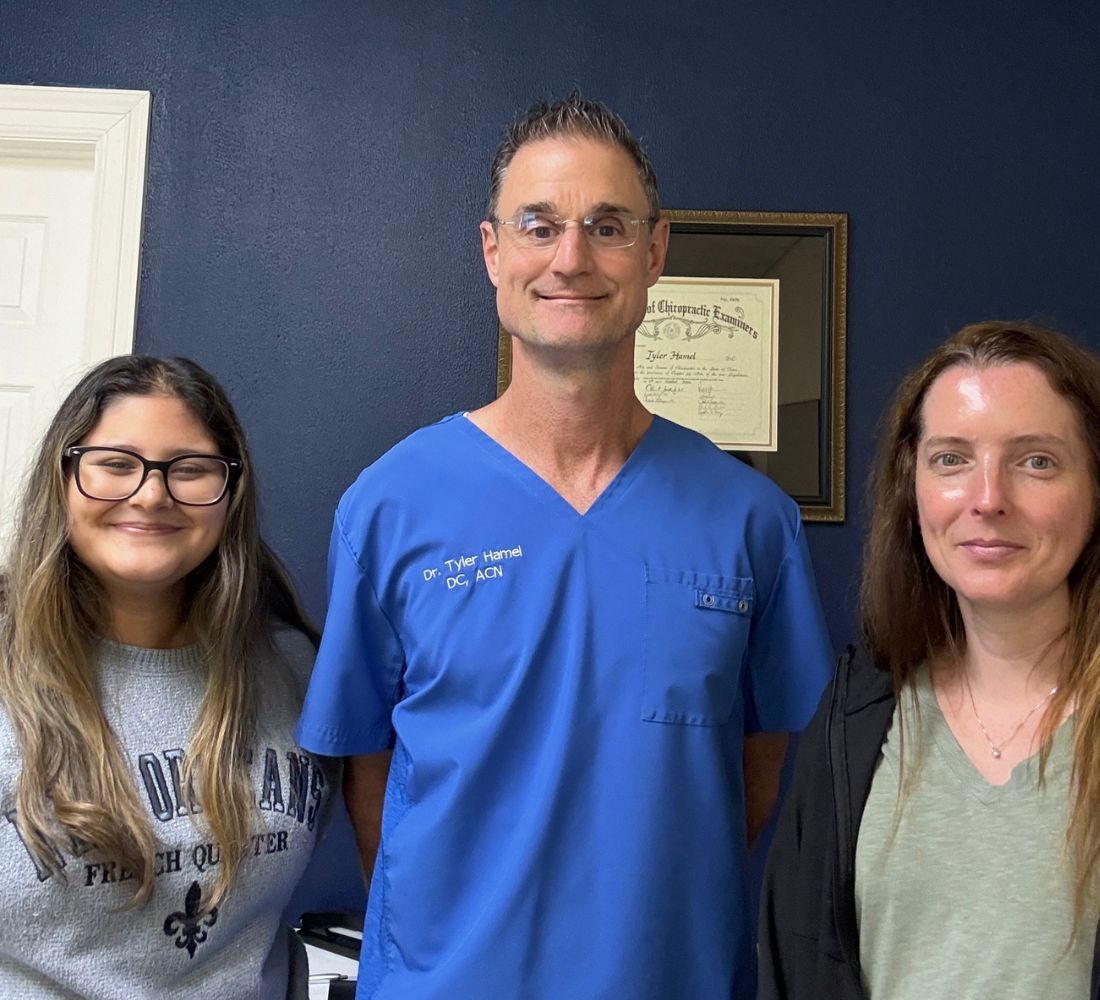
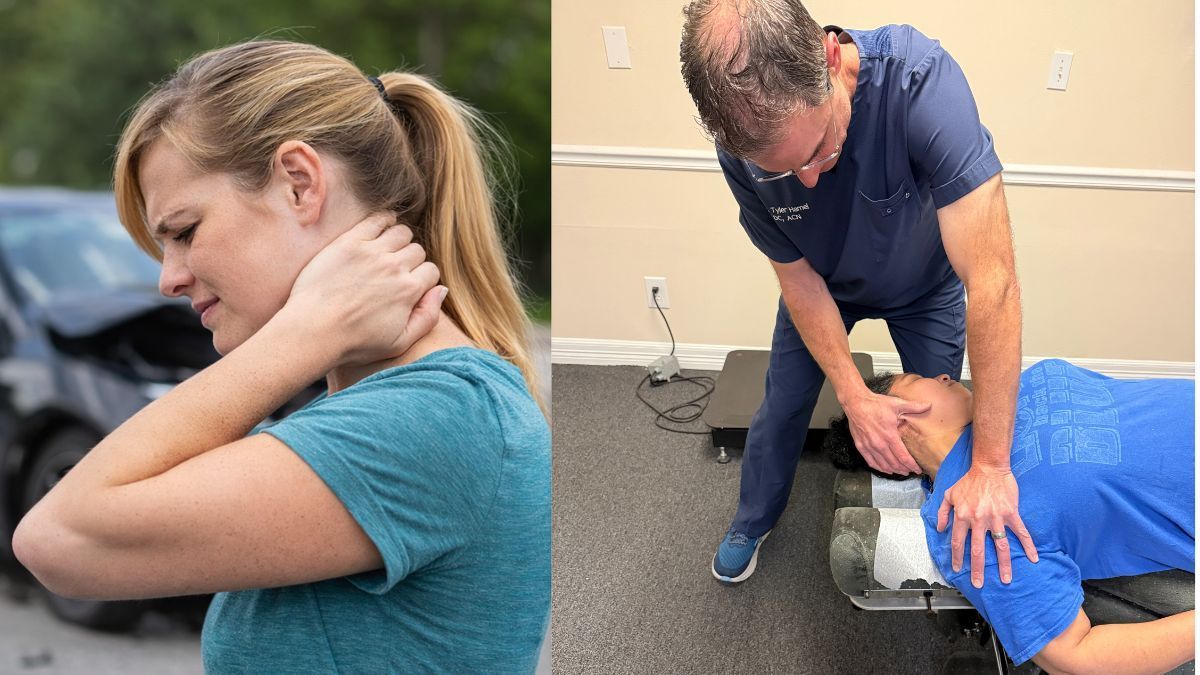
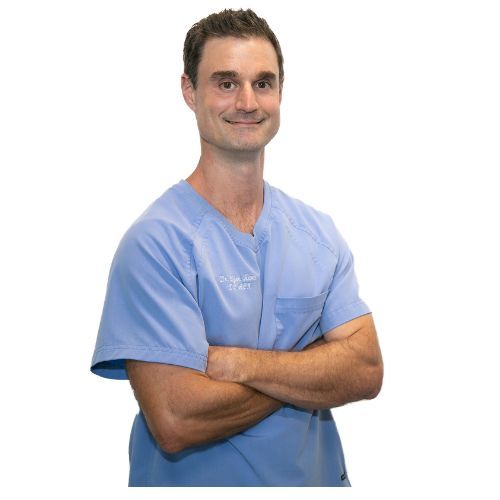
Dr. Tyler Hamel is an experienced chiropractor with over 25 years of clinical practice, specializing in the treatment of neck pain, back pain, and car accident-related injuries, including whiplash. As the owner of Kingwood Chiropractic Spine and Injury Center, he provides comprehensive, conservative care to patients in Kingwood and the northeast Houston area using chiropractic adjustments, corrective exercises, shockwave therapy, and cold laser therapy. Dr. Hamel frequently collaborates with attorneys and other healthcare providers in personal injury cases to ensure coordinated care, proper documentation, and appropriate referrals. A member of the Texas Chiropractic Association, he is committed to ongoing education and advancing clinical excellence while helping patients achieve lasting relief and improved function.
Recent Posts